When selecting exterior aluminum doors, one important factor to consider is the profile thickness. Understanding what profile thickness is suitable for exterior aluminum doors can significantly impact the doors' durability and insulation. A thicker profile often provides enhanced strength and security, which is essential for exterior applications.
However, thicker isn’t always better. An excessively thick profile may lead to increased weight and installation complications. Striking a balance is crucial. Each project may demand a different thickness based on climate, architectural style, and usage. For example, coastal areas might benefit from thicker profiles due to high winds and salt air exposure, while moderate climates may require less.
Engaging with professionals can help clarify these nuances. Experts can assess specific needs and recommend optimal solutions. Nonetheless, it’s vital to remain open to suggestions and adjustments throughout the selection process. Every detail counts in ensuring that the chosen door withstands the test of time and remains functional.
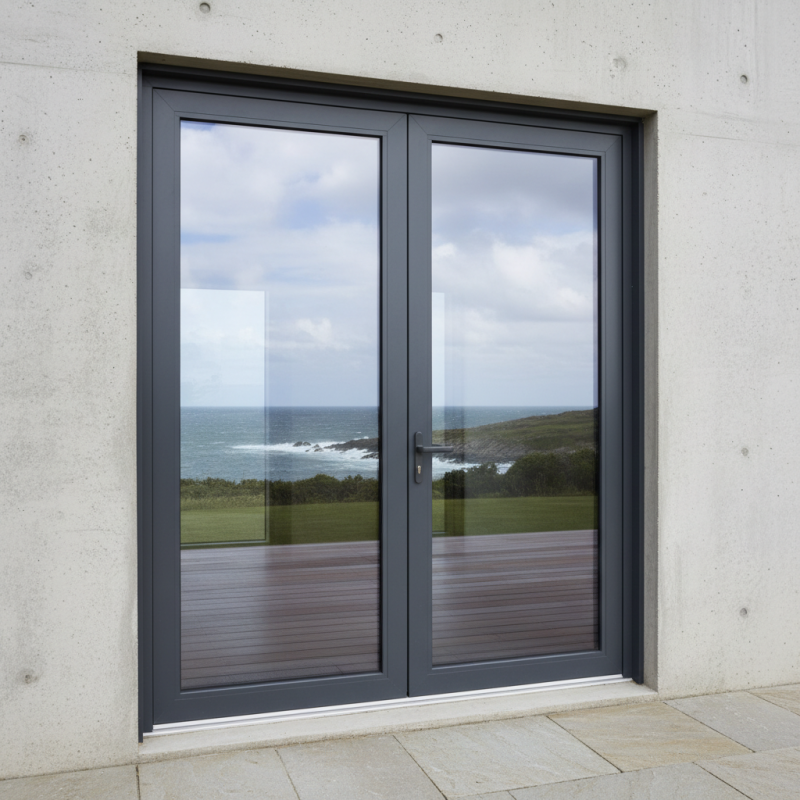
Optimal Profile Thickness Ranges for Exterior Aluminum Doors
When considering exterior aluminum doors, profile thickness plays a pivotal role. Research indicates that the optimal range for profile thickness is typically between 1.5 mm and 2.5 mm. Doors within this range provide adequate strength while maintaining a lightweight structure. A thicker profile can enhance durability and resistance to weather elements, crucial for external applications.
Tips: Always consult industry standards for specific project needs. Factors such as geographical location and climate conditions significantly influence door performance. Like the 2020 Construction Specifications Institute report, which states that well-engineered aluminum doors must balance weight and strength for optimum performance.
Choosing the right thickness is not without its challenges. Thicker profiles can lead to increased costs and potential installation difficulties. However, thinner profiles may compromise thermal efficiency and security. Homeowners should reflect on their unique requirements when deciding. Investing in proper materials can amplify energy efficiency, while compromising on quality might result in higher long-term expenses.
Impact of Profile Thickness on Insulation and Energy Efficiency
When considering exterior aluminum doors, profile thickness plays a crucial role in insulation and energy efficiency. A thicker profile often offers better thermal insulation. For instance, profiles around 2.5 inches may provide superior resistance to heat transfer. This can lead to significant energy savings, especially in extreme climates. Customers frequently report noticeable improvements in their indoor comfort levels after switching to thicker profiles.
However, not all situations favor thicker profiles. Some installations may benefit from thinner designs. These can often be lighter and easier to handle, which is essential for specific architecture. There is a trade-off between weight and energy performance. It's essential to balance these factors based on your unique environment and building style.
Ultimately, the best choice varies depending on individual preferences and specific needs. Consulting with a professional can help ensure the selected profile meets both aesthetic and functional requirements. Consider factors like climate, building use, and insulation goals to make an informed decision.
Structural Integrity: How Thickness Affects Durability and Security
When considering exterior aluminum doors, profile thickness plays a vital role in structural integrity. Thicker profiles often provide enhanced durability, making the doors more resistant to impact and weather conditions. For commercial properties, the choice of thickness can determine how well the door withstands daily use and potential security threats. A thicker door typically features better seals, reducing air and water infiltration.
However, there can be challenges associated with thicker profiles. They may increase the overall weight of the door, requiring more robust frames and hinges. This can complicate installation and maintenance. A thicker door might offer superior security, but it demands a careful evaluation of the entire door system. For residential use, a medium thickness can strike a balance between aesthetics and performance. Each situation presents unique needs that must be assessed.
In terms of security, the thickness also correlates to resistance against forced entry. Thinner doors might save costs but could compromise safety. Therefore, weighing thickness against these factors is crucial. Often, a well-rounded approach involves analyzing specific environmental and security requirements before making a final decision. Ultimately, there isn’t a one-size-fits-all solution. Each project deserves thoughtful consideration of profile thickness tailored to its context.
What is the Best Profile Thickness for Exterior Aluminum Doors?
Cost-Benefit Analysis of Thicker vs. Thinner Aluminum Profiles
When assessing the thickness of aluminum profiles for exterior doors, thickness is crucial. Thicker profiles generally provide better insulation and durability. They resist dents and bending, which is especially important in harsh weather conditions. However, this added strength comes at a higher cost. Property owners must weigh the long-term benefits against immediate expenses.
On the other hand, thinner aluminum profiles are often more cost-effective. They are lighter and easier to install, which can save on labor costs. However, thinner profiles might be more susceptible to damage and can offer less thermal efficiency. This trade-off raises questions: Are short-term savings worth potential long-term problems?
Ultimately, the choice between thicker and thinner profiles depends on various factors. Budget constraints, climate considerations, and personal preferences can all influence the decision. Each option has its pros and cons, necessitating thoughtful analysis to determine the best fit for your needs.
Industry Standards and Regulations for Exterior Door Thickness
Choosing the right thickness for exterior aluminum doors is crucial. Various industry standards dictate minimum requirements for door thickness. According to the American National Standards Institute (ANSI), the minimum recommended thickness for exterior doors is usually around 1.75 inches. This measurement ensures the door maintains structural integrity while also providing adequate insulation.
Beyond just following ANSI guidelines, local building codes should also be considered. Many regions require doors to withstand specific wind loads and impacts. For instance, the International Building Code (IBC) emphasizes the importance of durability in regions prone to storms. A door thickness of 2 inches or more often meets these stringent requirements.
It's essential to recognize that not all aluminum doors are created equal. Manufacturers sometimes use thinner profiles to cut costs, which may compromise the door's longevity and security. Homeowners should be mindful of these variations. Conducting thorough research and seeking expert advice can help you navigate the complexities of selecting the appropriate door. This decision impacts safety and energy efficiency in your property.
FAQS
: Thicker profiles generally offer better thermal insulation, leading to energy savings, especially in extreme climates.
Thinner profiles can be lighter and easier to handle, benefiting specific architectural needs.
Factors like climate, building use, and insulation goals are crucial for making an informed choice.
Thicker profiles enhance durability, making doors more resistant to impact and harsh weather conditions.
Thicker doors usually provide better resistance against forced entry, but they may require stronger frames.
Yes, the minimum recommended thickness for exterior doors is around 1.75 inches for structural integrity.
Local codes may require doors to withstand specific wind loads and impacts, affecting thickness choices.
Yes, thinner profiles may compromise longevity and security, so careful consideration is important.
Evaluate factors like security requirements and environmental conditions to select the right profile thickness.
Consulting a professional helps ensure the door meets both aesthetic and functional needs for your project.
Conclusion
When considering what profile thickness is suitable for exterior aluminum doors, it’s essential to evaluate the optimal thickness ranges available. Thicker profiles generally offer enhanced structural integrity, leading to improved durability and security, making them a popular choice for exterior installations. Additionally, thickness significantly impacts insulation and energy efficiency, as thicker doors often provide better thermal performance, reducing energy costs over time.
Moreover, a cost-benefit analysis reveals that while thicker aluminum profiles may have a higher initial investment, they often result in long-term savings due to lower maintenance and energy expenses. Adhering to industry standards and regulations also ensures that the chosen profile thickness meets safety and performance requirements, ultimately contributing to a well-informed decision for exterior aluminum doors.

 Magella Door