When considering soundproof aluminum windows, the selection of glazing is crucial. Homeowners often ask, "What glazing options are best for soundproof aluminum windows?" The right choice can dramatically reduce noise levels. Specialized glazing can enhance comfort and privacy in both residential and commercial settings.
Double and triple-glazed windows are popular choices for soundproofing. These options create air gaps that block sound waves. Laminated glass is another effective alternative, as it features an added layer that dampens noise. The thickness of the glass also plays a significant role; thicker panes generally provide better sound insulation.
However, choosing the right glazing can be challenging. Each option has its advantages and drawbacks. For example, while laminated glass is effective, it may be more expensive. Balancing cost against performance is essential in making decisions. Ultimately, understanding these factors can lead to better soundproofing solutions for aluminum windows.
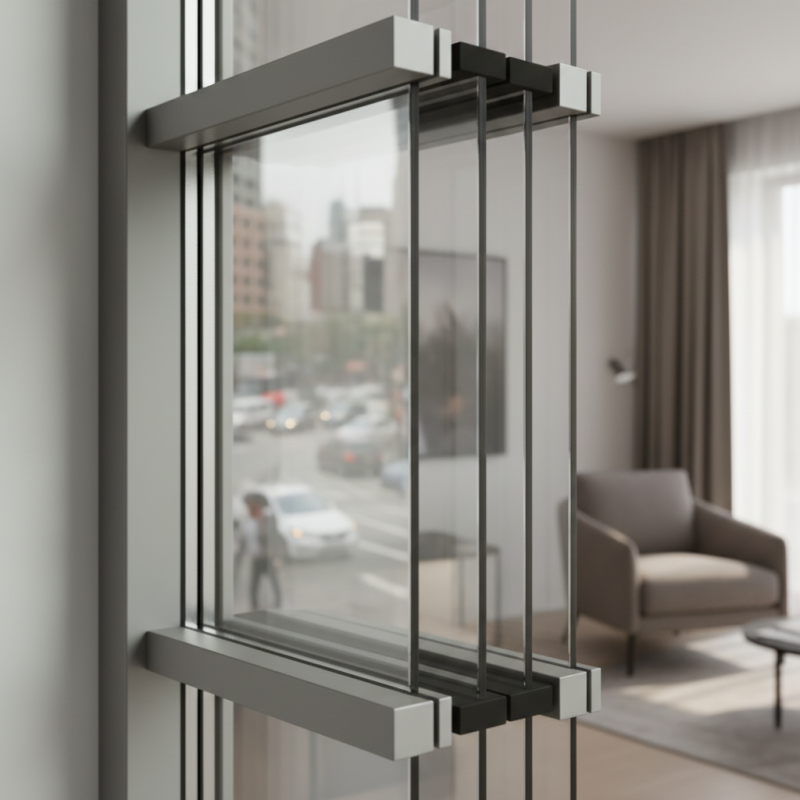
Soundproofing plays a crucial role in window design. It significantly affects the comfort level within a space. Effective soundproof aluminum windows help reduce outside noise. This is essential for homes located near busy roads or urban areas.
Choosing the right glazing can enhance soundproofing. Double or triple glazing creates an air barrier that minimizes sound transmission. Thicker glass also helps absorb noise. Additionally, laminated glass can further improve sound insulation properties.
Tips for improving soundproofing include sealing gaps around windows. Use weather stripping or acoustic caulk to close leaks. Also, consider adding heavy curtains to enhance sound absorption. These simple steps can make a noticeable difference in reducing noise levels. Reflect on the importance of quality materials and installation. Small mistakes can lead to reduced effectiveness. Investing time in these areas is crucial for achieving optimal soundproofing.
When considering soundproof aluminum windows, the type of glazing plays a crucial role. Laminated glass is a popular choice due to its sound-dampening properties. This glass consists of two panes bonded with a layer of plastic. The result is a barrier that significantly reduces noise transmission. It's especially effective in urban areas where external sounds can be overwhelming.
Another option is double glazing, featuring two glass panes separated by a gas-filled space. This configuration also minimizes sound. It works well, but the effectiveness can vary based on the gas used and the gap width. Acoustic glass, designed specifically for sound reduction, is an advanced choice. It incorporates varying glass thicknesses to disrupt sound waves better.
Despite the benefits, choosing the right glazing can be complex. Factors like frame design and installation quality also affect overall performance. Sometimes, homeowners overlook these influencing elements. Assessing your environment and consulting experts can lead to better decisions. Soundproofing requires a thoughtful approach, emphasizing the balance between choice and installation.
When considering soundproof aluminum windows, the glazing option plays a crucial role.
Single glazing consists of just one sheet of glass.
While affordable, it offers minimal sound insulation. It may not block out outside noise effectively, leaving you feeling less secure.
This option works for low-noise environments but falls short in busy areas.
Moving to double glazing, you get a significant upgrade.
This option includes two sheets of glass with a layer of air in between. This air gap acts as a sound barrier, reducing noise transmission.
Double glazing is more reliable in soundproofing than single. However, it still may not be enough in extremely noisy environments, such as near highways or airports.
Triple glazing takes soundproofing to another level.
With three sheets of glass, it provides exceptional noise reduction.
The additional layer of glass enhances insulation and energy efficiency, creating a more tranquil indoor space.
However, it can be more expensive and heavier than double glazing. Not all buildings can support the added weight.
Choosing the right glazing depends on your specific needs and environment.
Consider factors like noise levels and budget before making a decision.
Laminated glass is a top choice for soundproofing in aluminum windows. It consists of two pieces of glass sandwiched around a layer of plastic. This design enhances noise reduction significantly. According to a report by the National Institute of Standards and Technology, laminated glass can reduce sound transmission by up to 30 decibels. This level of soundproofing is highly effective in urban settings, where street noise can be overwhelming.
The benefits extend beyond mere sound insulation. Laminated glass also offers safety benefits. In the event of breakage, the glass fragments adhere to the inner layer. This reduces the risk of injury. While laminated glass may come at a higher cost than standard glass, the long-term benefits in comfort and safety can outweigh this initial investment. Some users may wonder if the weight of laminated glass will affect window frames. In practice, most aluminum frames are designed to support the added weight.
However, one must consider the potential downsides. The insulation properties can vary based on installation quality. Proper sealing is crucial for maximizing soundproofing efficiency. Poorly sealed windows may lead to air leaks, negating the soundproofing benefits. The aesthetics of laminated glass might also not appeal to everyone. These factors require thoughtful consideration when selecting soundproof options.
| Glazing Type | Sound Reduction (dB) | Thermal Insulation | Weight | Cost Estimate ($/sq ft) |
|---|---|---|---|---|
| Single Glazing | 20-25 | Low | Lightweight | $10 |
| Double Glazing | 28-32 | Moderate | Medium | $20 |
| Triple Glazing | 34-40 | High | Heavy | $30 |
| Laminated Glass | 35-40 | Excellent | Medium | $25 |
| Acoustic Glass | 38-45 | High | Medium | $35 |
Installing soundproof aluminum windows requires careful attention to detail. Choosing the right glazing option is essential. Double or triple glazing is often preferred for maximum sound reduction. The spaces between the panes should be filled with argon or other gases. This enhances insulation and decreases sound transmission.
Proper installation is just as critical as the glazing itself. Ensure windows are fitted tightly within their frames. Gaps can severely affect soundproofing. Sealing these gaps with high-quality acoustical caulk offers additional sound dampening. It is also wise to use noise-reducing window film for added protection.
Consider the direction of sound sources. Position windows where noise is minimized. The overall window design should complement the surrounding architecture. While these practices improve soundproofing, imperfections can still exist. Unforeseen factors may affect performance. Regularly inspect and maintain the windows to sustain their effectiveness.
: Laminated glass consists of two panes with a layer of plastic between them.
It significantly reduces sound transmission, cutting noise levels by up to 30 decibels.
Urban areas have more street noise, making laminated glass effective for sound insulation.
Yes, it prevents glass fragments from scattering in case of breakage, reducing injury risks.
It is heavier, but most aluminum frames can support this added weight without issue.
They should think about frame design, installation quality, and proper sealing for effectiveness.
Absolutely, poorly sealed windows may lead to air leaks and reduced soundproofing benefits.
Some people may not like its aesthetics. Installation quality is crucial for optimal performance.
Double glazing features two glass panes with a gas-filled space for better sound reduction.
Acoustic glass disrupts sound waves more effectively, but both options have their strengths.
When considering soundproof aluminum windows, one key question arises: what glazing options are best for soundproof aluminum windows? Understanding the importance of soundproofing in window design is essential, as it significantly enhances indoor comfort and privacy. There are several types of glazing available, including single, double, and triple glazing, each offering varying levels of sound insulation. Among these, laminated glass is particularly beneficial due to its unique construction that effectively dampens sound waves.
To maximize the soundproofing effectiveness of aluminum windows, best practices for installation should be strictly followed. Proper sealing and fitting can greatly reduce noise infiltration, ensuring that the chosen glazing option delivers optimal results. Ultimately, selecting the right glazing type and ensuring quality installation are critical steps in achieving the desired soundproof environment.

Magella Door