Aluminum windows are popular for their durability and aesthetic appeal. However, keeping them in perfect shape can be a challenge. One of the biggest issues homeowners face is deformation. It can lead to a host of problems, including reduced energy efficiency and compromised security. This article explores how to avoid deformation issues in aluminum windows.
Understanding the common causes is key. Temperature fluctuations can cause materials to expand and contract, leading to warping. Also, improper installation can exacerbate these issues. Many choose aluminum windows for their strength. Yet, neglecting maintenance can create a cycle of problems.
In the following sections, we will share practical tips and insights. You'll discover how to enhance the lifespan of your aluminum windows. With the right approach, deformation is not inevitable. Even small adjustments can make a significant difference. Investing time in care and precautions pays off. By using the right knowledge, you can keep your windows looking and functioning well.
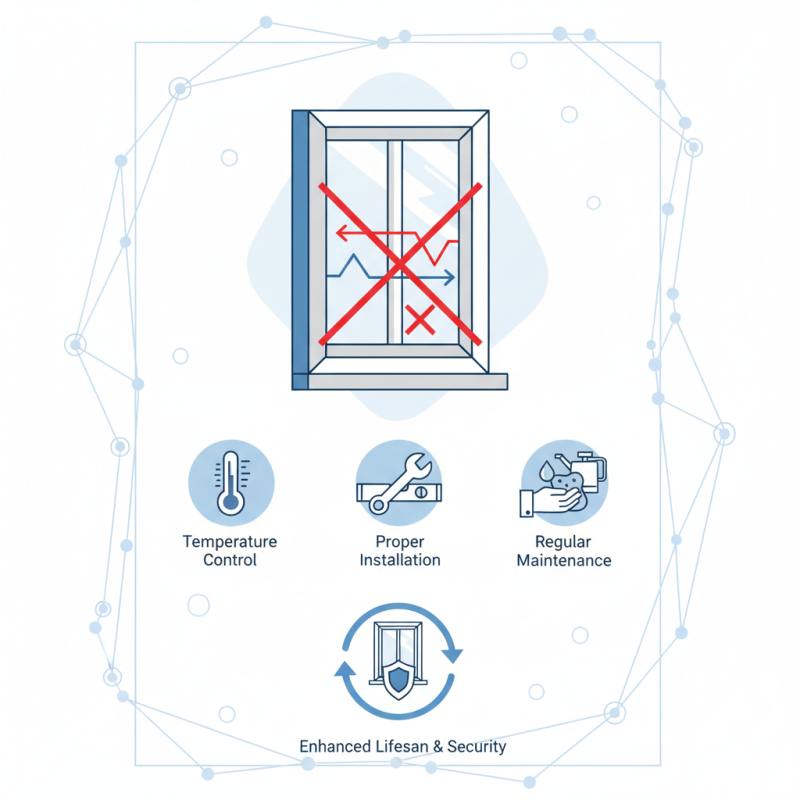
Aluminum windows have gained popularity for their durability and aesthetic appeal. However, deformation can occur due to various factors. Temperature fluctuations are a primary cause. When temperatures rise, aluminum expands. Conversely, it contracts when temperatures drop. This can lead to warping over time. A report by the Aluminum Association highlights that improper installation can exacerbate deformation issues.
Another key factor is moisture. While aluminum is resistant to corrosion, trapped moisture in frame joints can weaken integrity. A study conducted by the American Architectural Manufacturers Association (AAMA) indicates that improper sealing can lead to water ingress. This compromises the window’s structure and aesthetics. It’s essential to ensure proper drainage and ventilation to mitigate these risks.
Alignment issues can also contribute to deformation. If a window is not installed level, stress can build in specific areas. This stress may not be immediately visible but can become pronounced over time. Regular inspections can reveal early signs of deformation. Addressing these signs promptly can save significant costs later. Understanding these causes helps homeowners and builders make informed decisions about window care and maintenance.
Choosing high-quality materials is crucial for ensuring the durability of aluminum windows. The type of aluminum used influences strength and resistance to corrosion. A premium grade of aluminum can withstand various environmental stresses. This reduces the risk of deformation over time. Working with suppliers who adhere to stringent quality standards is essential.
Seals and frames are another aspect to consider. Using robust weather stripping and thermal breaks can enhance performance. Proper seals help in minimizing air and water infiltration. This not only improves insulation but also protects the frame from extreme conditions. Inspecting these components is vital. A small oversight in material choice can lead to larger issues later.
Reinforcement should not be ignored. Adding structural support can make a significant difference. Avoiding shortcuts during the installation phase is essential. Each detail plays a role in the performance of aluminum windows. Investing in quality materials and skilled craftsmanship can prevent potential deformation. It’s an ongoing process that requires reflection and attention.
When installing aluminum windows, precision is key. Every detail matters. Proper alignment prevents future deformation. Start by assessing the frame's level. Use a bubble level for accuracy. Always ensure the window is square before securing it. Even a slight tilt can lead to issues later on.
Another essential technique is using shims during installation. Shims help fill gaps and maintain alignment. They provide the needed support, especially in uneven openings. Check for any movement after inserting shims. If the window shifts, readjust it. Secure all fasteners tightly, but avoid overtightening. Over-torquing can stress the frame material.
Finally, consider weatherstripping. This additional layer acts as a barrier against moisture and air infiltration. It adds longevity to the installation. Ensure it fits snugly without compressing too much. Monitor the window after installation for ease of operation. If it sticks or binds, it’s a sign to reassess your work. Installation is a detailed craft that requires diligence and regular reflection.
Regular maintenance is essential to preserve the integrity of aluminum windows. These windows, while durable, can suffer from wear and tear over time. Even minor neglect can lead to issues such as deformation or misalignment. Staying proactive can save you from costly repairs.
One tip is to inspect the seals regularly. Look for any gaps or signs of wear. Damaged seals can allow moisture to enter, leading to corrosion. Remember to clean the frames frequently. Use a mild detergent and water to remove dirt. Avoid abrasive materials that could scratch the aluminum surface. Treat your windows like any other part of your home.
Another practice is to check for any signs of rust. While aluminum is resistant, it can still develop spots if not maintained. If you find rust, gently sand it away. Applying a protective coating can help prevent future issues. Regularly lubricate the moving parts to ensure smooth operation. It’s these small things that can make all the difference in longevity.
| Maintenance Tip | Description | Frequency | Expected Outcome |
|---|---|---|---|
| Regular Cleaning | Clean frames and tracks to remove dirt and debris. | Monthly | Prevents buildup that can lead to warping. |
| Inspect Seals | Check the integrity of weather seals and gaskets. | Biannually | Reduces air and water leaks and potential deformation. |
| Lubricate Moving Parts | Use silicone spray on hinges and locks. | Annually | Ensures smooth operation and minimizes stress on frames. |
| Check Drainage Holes | Clear out any blockages in drainage holes. | Quarterly | Prevents water accumulation that can lead to deformation. |
| Monitor for Changes | Observe for signs of misalignment or gaps. | Regularly | Allows for early detection of issues before they escalate. |
When considering aluminum windows, environmental factors play a significant role in their performance. Temperature fluctuations, humidity, and UV exposure can cause material deformation. The Glass and Glazing Federation reports that aluminum can expand or contract by 0.000022 per degree Fahrenheit. This means variations can impact window integrity over time.
One important tip is to ensure proper installation. Seek professionals who understand how to account for environmental changes. Always check seals and insulation around windows. This can minimize potential issues related to moisture and heat.
Regular maintenance is also essential. Inspect windows biannually for any signs of wear or deformation. Pay attention to gaskets and seals. Replacing worn parts can extend the lifespan of your windows. Addressing these areas proactively contributes to better overall performance. Remember that prevention is often simpler and more effective than dealing with major repairs later on.
: Temperature fluctuations are a primary cause. Aluminum expands with heat and contracts in cold.
Trapped moisture can weaken the frame. Improper sealing may lead to water ingress, compromising window integrity.
Improper installation can exacerbate problems. If not level, stress builds up and can lead to deformation over time.
Regular checks can reveal early signs of wear. This helps prevent costly repairs down the line.
It's best to inspect them biannually. Pay particular attention to gaskets and seals.
Factors like humidity and UV exposure impact aluminum. They can cause expansion and affect long-term integrity.
Yes, seek experts familiar with environmental factors. They can ensure proper installation and sealing.
Yes, replacing worn parts can extend lifespan. Prevention is often more efficient than dealing with major issues later.
Address them promptly. Early intervention helps avoid expensive repairs later.
Yes, but moisture trapped in frame joints can weaken its integrity. Proper sealing is important for prevention.
In the article "2026 Best Tips to Avoid Deformation Issues in Aluminum Windows," the focus is on understanding the causes and effects of aluminum window deformation, alongside effective strategies to mitigate these issues. Key factors include selecting high-quality materials that ensure the durability of aluminum windows and implementing careful installation techniques to minimize risks. Regular maintenance practices are emphasized to preserve the integrity of the windows over time.
To further enhance performance, the article also discusses environmental considerations that can impact aluminum windows. By following these guidelines, homeowners and builders can effectively learn how to avoid deformation issues in aluminum windows, ensuring longevity and optimal functionality in their installations.

Magella Door