2026 Best Ways to Evaluate Aluminum Window Profile Design

Time:2026-07-09 Author:Sienna
0%

In recent years, aluminum window profiles have gained significant attention for their durability and aesthetic appeal. However, how to evaluate the design rationality of aluminum window profiles is a complex task. It requires a deep understanding of both the material properties and the functional requirements of window systems. Effective evaluation begins with examining thermal performance, structural integrity, and safety standards.

Designers must also consider user experience. Every profile must allow for easy installation and maintenance. Additionally, aesthetic alignment with architectural styles is essential. The balance between functionality and appearance can be challenging. Testing prototypes in real-world conditions often reveals unforeseen issues.

Furthermore, the sustainability of aluminum profiles cannot be ignored. Assessing ecological impact adds another layer to the evaluation process. As the industry evolves, the criteria for "best practices" may also change. This constant change necessitates ongoing education in design principles and technological advancements. Evaluating aluminum window profiles is not merely a checklist; it’s a reflective process that demands expertise and adaptability.
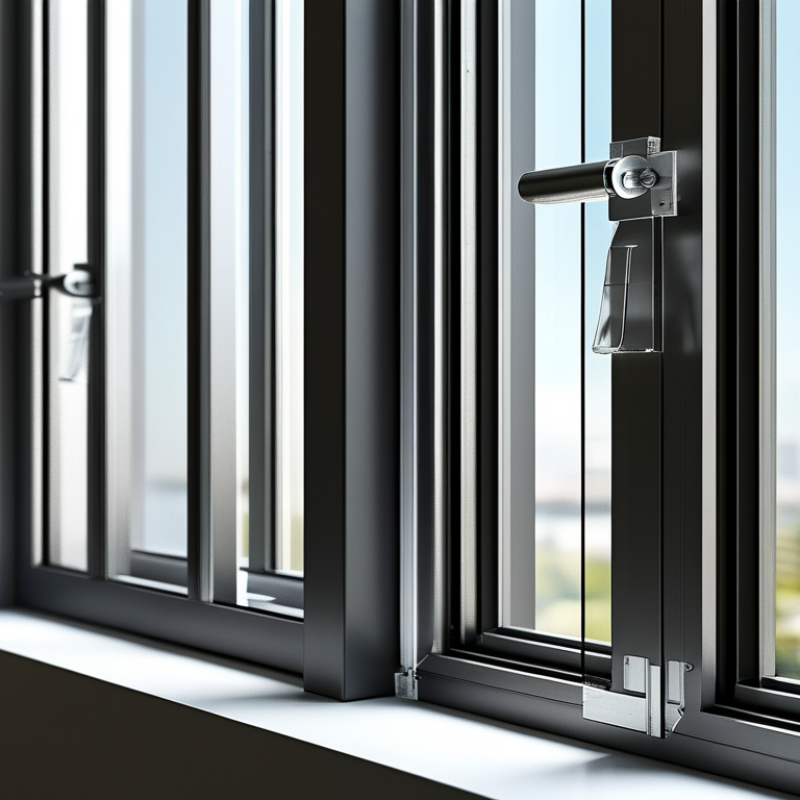
2026 Best Ways to Evaluate Aluminum Window Profile Design

Understanding Aluminum Window Profiles: Importance and Applications

Aluminum window profiles play a crucial role in modern architecture and building design. They are known for their lightweight nature and durability. A well-designed aluminum profile offers structural integrity while providing aesthetic appeal. This is essential, as windows influence natural light and energy efficiency in buildings.

The applications of aluminum profiles are vast. They serve residential homes, commercial buildings, and even industrial facilities. These profiles resist corrosion and provide insulation. However, not all profiles are created equal. Design flaws can lead to issues like poor insulation or inadequate strength. It’s vital for architects and builders to critically evaluate these designs. Are they maximizing the properties of aluminum?

Furthermore, understanding the importance of thermal performance in window profiles cannot be overlooked. Profiles must be designed to minimize heat transfer, ensuring comfort year-round. Poorly designed options can lead to drafts or excessive energy costs. Balancing aesthetics and function is an ongoing challenge in this field. Evaluating designs based on real-world performance is essential for successful applications.

Key Design Elements of Aluminum Window Profiles

When assessing aluminum window profiles, design elements play a crucial role. Consider the frame thickness. It affects durability and insulation. A thicker frame often offers more stability but may compromise aesthetics. Balancing these factors is essential for an effective design.

Next, examine the thermal performance. Aluminum profiles can be thermally broken or non-thermally broken. A thermal break enhances insulation, reducing energy costs. Evaluate how well the design minimizes heat transfer. This element is vital for achieving energy efficiency in any building.

Finally, the visual appeal matters greatly. A sleek design can enhance a building's overall look. However, simplicity shouldn't sacrifice essential features like strength. It's important to reflect on the design's impact over time. Will it stand the test of trends? Addressing these considerations can lead to improved design outcomes for aluminum window profiles.

Methods for Evaluating Structural Integrity and Performance

Evaluating the structural integrity and performance of aluminum window profiles demands a systematic approach. Tests on thermal performance reveal that properly designed aluminum frames can achieve an R-value of up to 5.2, significantly enhancing energy efficiency in buildings. This measurement indicates the frame's effectiveness in resisting heat transfer. Furthermore, the durability of aluminum profiles is affirmed by data showing that they withstand high-impact resistance, withstanding impacts of over 2.5 Joules without deforming.

When considering water infiltration, it is essential to conduct specific tests. A notable test is the static water test, where profiles are subjected to a pressure of 10 psi for 15 minutes. Results show that high-quality profiles maintain minimal water leakage, often less than 0.1 liters per hour per meter. However, some designs struggle under these conditions, indicating a need for continuous improvement and innovation in profile design. Regular testing and adherence to ASTM standards ensure that profiles can meet rigorous industry benchmarks for performance.

Real-world scenarios highlight the importance of performance over aesthetics. An attractive aluminum window that fails structural tests can lead to increased maintenance costs and safety hazards. There are instances where profiles that appeared robust under initial evaluations later exhibited signs of thermal expansion issues. Ongoing research and practical testing remain crucial for identifying potential weaknesses and improving designs in aluminum window profiles.

2026 Best Ways to Evaluate Aluminum Window Profile Design

This chart illustrates the percentage of different evaluation methods for assessing the structural integrity and performance of aluminum window profiles in 2026. As the industry evolves, the emphasis on various evaluation techniques reflects advancements in technology and materials.

Sustainability Considerations in Aluminum Window Profile Design

Sustainability is becoming a key factor in aluminum window profile design. As environmental concerns rise, the industry faces pressure to adopt eco-friendly practices. According to a report by the International Aluminum Institute, aluminum is 100% recyclable without losing its properties, making it a prime candidate for sustainable building materials.

Designers should consider using recycled aluminum, which requires 95% less energy compared to producing new aluminum. This transition not only conserves energy but also reduces greenhouse gas emissions. A survey indicated that 70% of consumers prioritize sustainability when selecting building materials.

Tips: Evaluate the sourcing of your aluminum. Look for certified suppliers with sustainable practices. Additionally, assess thermal performance. A well-designed aluminum window can enhance energy efficiency, reducing heating and cooling costs. Monitoring the lifecycle impacts of materials is crucial. Avoid overlooking the end-of-life stage of windows.

Innovative Technologies Shaping the Future of Aluminum Windows

Innovative technologies are redefining aluminum window profiles. These advancements focus on energy efficiency, durability, and aesthetic appeal. The new thermal break technology significantly improves insulation, reducing energy costs for homeowners. This innovation is vital as energy prices continue to rise.

Another promising development is the use of smart materials. These materials adjust to environmental changes, providing better comfort. For example, self-tinting glass helps regulate indoor temperatures. However, the technology is still in its infancy and poses challenges in scalability and cost.

Incorporating automation into window design is also gaining traction. Motorized systems enable homeowners to control ventilation and light with ease. There are doubts about long-term maintenance and durability of these systems. As designs become more complex, there is an ongoing need for research and improvements. Balancing innovation with practical functionality is essential for the future of aluminum windows.

2026 Best Ways to Evaluate Aluminum Window Profile Design

Evaluation Criteria Description Innovative Technology Impact on Design
Thermal Performance Measures how well the window profile insulates against heat transfer Thermal Break Technology Improves energy efficiency and comfort
Structural Integrity Assesses the strength and durability of the window profile Finite Element Analysis (FEA) Enhances reliability and safety in design
Aesthetic Appeal Evaluates the visual design and finish of the window Advanced Coating Technologies Provides a variety of colors and textures
Sustainability Looks at the environmental impact of the material and production Recycling Innovations Reduces waste and pollution
Maintenance Requirements Estimates the upkeep effort needed for longevity Self-Cleaning Coatings Minimizes maintenance tasks

FAQS

: What are aluminum window profiles?

: Aluminum window profiles are lightweight, durable structures used in modern architecture.

Why are aluminum profiles important?

They enhance natural light and energy efficiency, impacting building design and comfort.

What types of buildings use aluminum profiles?

These profiles are used in residential, commercial, and industrial facilities.

Can design flaws affect performance?

Yes, poor designs may lead to inadequate strength or insulation, which can cause energy loss.

How do thermal performance and insulation relate?

Good thermal performance minimizes heat transfer, ensuring comfort and reducing energy costs.

What is thermal break technology?

This innovation improves insulation in aluminum profiles and helps lower energy bills.

Are there challenges with smart materials in window designs?

Yes, smart materials are still developing and face issues like scalability and cost.

How does automation influence window design?

Motorized systems allow easy control of ventilation and light, but maintenance concerns exist.

What ongoing challenges do designers face?

Balancing aesthetics with functionality remains difficult as technologies and designs advance.

Can aluminum profiles provide good insulation?

If well-designed, aluminum profiles can offer excellent insulation, but poor designs may fail.

Conclusion

The article "2026 Best Ways to Evaluate Aluminum Window Profile Design" explores various facets of aluminum window profiles, highlighting their significance in modern architecture and construction. It begins by detailing the importance and diverse applications of aluminum window profiles, which serve as both functional and aesthetic elements in buildings. Key design elements are examined, focusing on attributes that enhance performance and visual appeal.

In addressing "How to evaluate the design rationality of aluminum window profiles," the article presents methods for assessing their structural integrity and overall performance, ensuring that they meet safety and durability standards. Furthermore, sustainability considerations play a vital role in the design process, with an emphasis on eco-friendly materials and energy-efficient designs. Lastly, innovative technologies are discussed, showcasing future advancements that promise to improve the efficiency and aesthetic quality of aluminum windows, ultimately leading to more sustainable and effective building solutions.

Sienna

Sienna

Sienna is a skilled marketing professional with a deep expertise in our company’s core products and services. With a passion for innovation and detail, she plays a pivotal role in crafting insightful blog posts that not only highlight the unique features of our offerings but also provide valuable......