When considering new windows, many homeowners focus on factors like cost and aesthetics. Aluminum windows often emerge as a strong choice due to their blend of durability and modern design. However, you may wonder how to choose aluminum windows with balanced price and performance. This decision can significantly impact your home's energy efficiency and overall appearance.
One key aspect of selecting aluminum windows is to assess long-term value. These windows are known for their resistance to corrosion and low maintenance requirements. Investing in high-quality aluminum frames can save you money over time. However, not all products offer the same benefits. Research and comparisons are essential for making an informed choice.
Additionally, consider the thermal performance of the windows. Some aluminum frames may lack insulation, leading to higher energy costs. Reflect on the climate in your area when selecting windows. Are they efficient enough for your needs? Your choices should reflect both your budget and the functional requirements of your home. Balancing these factors may not be easy, but it is crucial for achieving the best price-performance ratio.
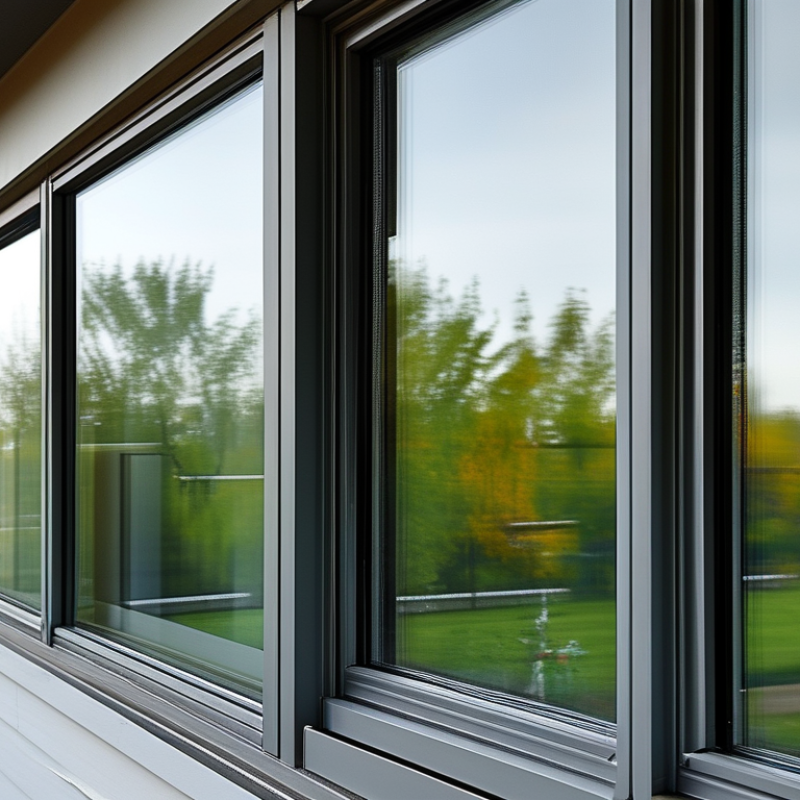
Aluminum windows are known for their cost efficiency in various construction projects. A recent report from the U.S. Department of Energy highlights that aluminum frames have a longer lifespan compared to other materials, lasting up to 30 years. This longevity contributes to reducing replacement costs over time, making them a smart choice.
In addition to durability, aluminum windows offer significant thermal efficiency. The National Fenestration Rating Council states that well-insulated aluminum windows can reduce energy bills by nearly 30%. This energy saving is crucial for homeowners looking to minimize monthly expenses. However, homeowners should consider the initial costs. While sometimes higher upfront than vinyl, the long-term savings often justify the investment.
Moreover, the aesthetic appeal of aluminum windows cannot be overlooked. Available in various finishes and colors, they enhance any architectural style. However, it’s essential to ensure proper maintenance to prevent potential corrosion in coastal areas. Making informed decisions about materials will lead to better, more cost-effective home investments. Investing in aluminum windows might require thoughtful consideration, but the benefits often outweigh the concerns.
Aluminum windows offer distinct advantages when compared to other materials like vinyl or wood. A study by the American Architectural Manufacturers Association shows that aluminum has a lifespan of over 30 years. This longevity far exceeds that of wood, which typically needs replacement within 20 years. Furthermore, aluminum's low maintenance requirements save homeowners both time and money.
In terms of performance, aluminum windows demonstrate excellent thermal efficiency. Research indicates that aluminum windows can achieve U-values as low as 0.30, rivaling that of vinyl windows. However, it’s essential to note that aluminum is often perceived as less energy-efficient due to its thermal conductivity. To address this, many manufacturers now incorporate thermal breaks. This technology significantly enhances the insulation properties of aluminum windows.
Additionally, the initial cost of aluminum windows may fluctuate based on market trends. They are often priced higher than vinyl but can provide better long-term savings. The 2023 Remodeling Cost vs. Value Report indicates that windows made from aluminum have a higher return on investment compared to vinyl. However, some homeowners still express concerns about the aesthetics of aluminum. This partly stems from its industrial look, which may not suit all architectural styles.
| Material | Initial Cost ($ per sq. ft.) | Durability (Years) | Energy Efficiency (U-value W/m²K) | Maintenance Cost (Annual) | Recyclability (%) |
|---|---|---|---|---|---|
| Aluminum | $15 | 40-50 | 1.5 | $100 | 100% |
| Vinyl | $12 | 20-30 | 1.8 | $80 | 0% |
| Wood | $20 | 15-30 | 2.0 | $150 | 50% |
| Fiberglass | $18 | 30-40 | 1.4 | $120 | 40% |
Aluminum windows stand out for their long-term durability. According to a report by the Aluminum Association, these windows can last over 30 years with proper maintenance. This lifespan significantly exceeds that of many alternatives, like vinyl or wood, which often deteriorate faster due to environmental factors. The strength of aluminum prevents warping and cracking, common issues in other materials.
Maintenance for aluminum windows is generally straightforward. A simple cleaning with mild soap and water keeps them looking new. Unlike wood, aluminum doesn’t need regular painting or sealing. Data from the American Architectural Manufacturers Association suggests that aluminum windows require far less upkeep. This can translate into both time and cost savings for homeowners over the years. However, installation may be less forgiving; poor installation can compromise performance and durability. Homeowners should prioritize experienced professionals for installation.
Despite these advantages, it's important to acknowledge potential downsides. While aluminum windows excel in durability, they conduct heat more than other materials. This can lead to higher energy costs in extreme climates. It's essential to employ thermal breaks or insulated frames to mitigate this. Homeowners often overlook these factors, yet they’re vital for optimizing energy efficiency.
Aluminum windows are gaining popularity for their impressive energy efficiency and insulation properties. These windows are lightweight yet durable, providing excellent insulation against temperature changes. This means your home stays warmer in winter and cooler in summer, leading to reduced energy costs.
When choosing aluminum windows, consider the thermal breaks. They prevent heat transfer, enhancing energy savings. Proper insulation minimizes drafts and keeps your living space comfortable year-round. Also, reflective coatings can further improve energy efficiency by reducing heat absorption.
Tips: Ensure your windows are installed correctly. A poor installation can lead to gaps and reduce insulation. Always check the energy ratings before purchasing. Investing in high-quality aluminum windows can lead to significant long-term savings on energy bills. Remember, even minor issues in a window's seal can affect performance. Regular maintenance is essential for ongoing efficiency.
This chart illustrates the energy efficiency ratings of various window materials. Aluminum windows showcase superior insulation properties compared to vinyl and wood options, making them an excellent choice for energy performance and cost-effectiveness.
Aluminum windows are gaining popularity due to their aesthetic appeal and customization options. A recent report from the Window & Door Manufacturers Association revealed that over 60% of homeowners choose aluminum frames for their modern design. These frames provide a sleek look that complements both contemporary and traditional architecture.
Customization is a key advantage of aluminum windows. They come in various colors and finishes. Powder coating options allow for endless personalization. This flexibility meets individual design preferences. Such unique features can enhance a home’s exterior and boost resale value. In fact, homes with customized windows can see a return on investment of up to 70%.
While aluminum windows offer many benefits, there are considerations. Some homeowners worry about insulation. Aluminum conducts heat, which can lead to energy loss in colder climates. Using thermal breaks can mitigate this issue. Proper installation is crucial. Attention to detail ensures that performance meets aesthetic goals. Balancing beauty and efficiency can be a challenge, but the right approach leads to satisfying results.
: Aluminum windows can last up to 30 years, reducing long-term replacement costs.
Well-insulated aluminum windows can lower energy bills by nearly 30%, benefiting homeowners.
They may have higher upfront costs than other materials, but long-term savings often justify the expense.
Yes, they come in various colors and finishes, allowing for personal design preferences.
They offer a sleek look, suitable for both modern and traditional architectural styles.
Yes, aluminum conducts heat, which can lead to energy loss, especially in colder climates.
Using thermal breaks can reduce heat conduction and improve energy efficiency.
Proper installation is crucial for performance and aesthetics; details matter.
Customized aluminum windows can return up to 70% on investment, boosting home value.
Regular care is needed to prevent corrosion, especially in coastal areas.
Choosing aluminum windows offers exceptional cost efficiency due to their competitive pricing and superior performance compared to other materials. When analyzing aluminum against wood or vinyl, it's clear that aluminum not only requires less maintenance but also boasts long-term durability, making it a smart investment. Additionally, their energy efficiency and insulation properties contribute to lower energy bills, while a wide array of aesthetic designs allows for customization to match personal preferences.
When considering how to choose aluminum windows with balanced price and performance, it’s crucial to evaluate factors such as durability, maintenance needs, energy efficiency, and aesthetic options. By prioritizing these elements, homeowners can secure an appealing and cost-effective window solution that enhances both the function and visual appeal of their living spaces.

Magella Door