Choosing aluminum doors and windows with strong UV resistance affects comfort, appearance, and service life. Constant sunlight can fade finishes, weaken sealants, and make indoor spaces noticeably warmer. A reliable selection process should examine the complete system, not only the aluminum frame. Powder coating, anodized layers, glass composition, weather seals, and drainage design all influence long-term performance.
The practical question is: How to choose aluminum doors and windows with good UV resistance? Begin by requesting documented coating specifications, color-retention data, and product testing from the manufacturer. Professional suppliers should explain the finish type, coating thickness, and expected performance in intense sunlight. A high-quality powder coating may resist chalking better than a basic finish, while low-emissivity glass can reduce solar heat without blocking useful daylight. Check corners, handles, gaskets, and exposed edges carefully. Small details matter.
Installation also deserves attention. Poorly sealed joints can allow moisture and heat to damage surrounding materials, even when the window itself performs well. Ask whether installers follow recognized testing procedures and provide maintenance guidance. Clean frames with mild soap, inspect seals yearly, and avoid abrasive chemicals. Real conditions vary. Coastal air, desert dust, and high-altitude sunlight can produce different results. Product brochures may sound convincing, but independent test reports are more dependable. I would not rely on color alone as proof of UV resistance. A darker finish may absorb more heat. Careful comparison, local climate knowledge, and honest supplier communication create a stronger basis for investment.
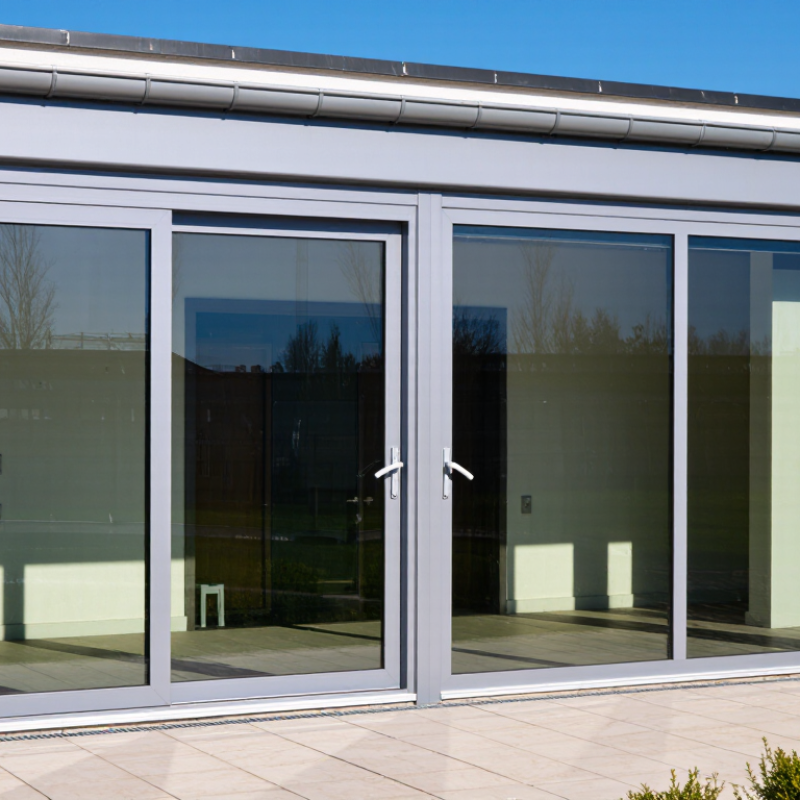
What UV Resistance Means in Aluminum Doors and Windows
UV resistance in aluminum doors and windows means maintaining appearance, sealing, and performance after prolonged ultraviolet exposure.
It does not mean the frame is completely unaffected by sunlight. Aluminum itself is stable, but coatings, gaskets, sealants, and interior fabrics may fade, crack, or lose flexibility.
The U.S. Department of Energy reports that window heat gain and loss can represent 25–30% of residential heating and cooling energy use.
UV-resistant glazing can also reduce solar damage to flooring, curtains, and furniture.
However, visible light and ultraviolet transmission are different measurements. ISO 9050 evaluates glazing through light and solar characteristics, so buyers should request tested UV-transmission data rather than accept vague claims.
For coated aluminum, ask whether the finish meets AAMA 2605 performance requirements. This specification uses accelerated testing and outdoor exposure to examine color retention, chalking, gloss, and film integrity.
An anodized finish can offer strong UV stability, but its color range and surface texture differ from organic coatings. Check corner joints carefully. Poor sealing can undermine excellent glass performance.
I have seen attractive samples age unevenly because the gasket material was overlooked. That is the uncomfortable detail.
A practical selection should include the glass composition, UV-transmission percentage, coating test standard, exposure duration, and warranty conditions. South-facing openings deserve stricter evaluation. Coastal or high-altitude sites may need additional testing, because sunlight, salt, and temperature changes work together.
Key Materials and Coatings That Block UV Damage
How to Choose Aluminum Doors and Windows with UV Resistance?
Key Materials and Coatings That Block UV Damage
UV resistance begins with the glass, not the aluminum frame alone. Many laminated glass units with PVB interlayers block about 99% of UV radiation below 380 nanometers, according to technical guidance from the National Glass Association. This helps protect timber floors, curtains, and furniture near large windows. Low-emissivity coatings can also reduce solar heat gain, while the U.S. Department of Energy reports that windows may influence 25–30% of residential heating and cooling energy use. Ask for tested solar-control data, not vague “UV-proof” claims.
The frame finish matters too. Fluoropolymer coatings usually provide stronger color and gloss retention than basic powder coatings. AAMA 2605 requires exposure testing in South Florida for up to ten years, making it a useful benchmark for exterior aluminum finishes. Anodized aluminum can perform well, but its appearance depends on alloy, sealing quality, and installation conditions. Check the exact finish specification. Not just the sample.
On site, inspect corners, drainage paths, and gasket contact points. UV can weaken some sealants and cause brittle weatherstripping over time. Silicone-based sealants generally offer better weathering resistance than many low-cost alternatives, but compatibility still requires verification. ASTM G154 or ISO 4892 testing can reveal coating changes under accelerated light exposure. These tests are not perfect predictions. Real sunlight, pollution, humidity, and poor cleaning can produce different results. A darker frame may still fade sooner than expected. That detail deserves honest discussion.
How to Choose Aluminum Doors and Windows with UV Resistance?
UV protection depends on both the frame and the glazing system. Aluminum frames are opaque and block UV light completely, while clear glass provides limited UV protection. Laminated glass with a PVB interlayer, UV-control films, and UV-treated polycarbonate commonly block approximately 99% of ultraviolet radiation. Actual performance varies with glass thickness, coating type, interlayer composition, and product testing standards.
How to Compare UV Protection Performance and Standards
How to Choose Aluminum Doors and Windows with UV Resistance?
How to Compare UV Protection Performance and Standards
UV resistance depends on the glass system, not aluminum alone. Aluminum frames can resist sunlight well, but seals, coatings, and furnishings may still deteriorate. Ask for tested ultraviolet transmittance data, not vague claims such as “sun-proof.” ISO 9050 evaluates radiation between 280 and 380 nanometres, the main ultraviolet range affecting fading and material ageing. EN 410 also reports solar characteristics, including ultraviolet-related transmittance and total solar energy performance.
Look for independent laboratory results, batch details, and test dates. The National Fenestration Rating Council focuses on U-factor, solar heat gain coefficient, and visible transmittance. These values do not directly prove UV protection. They still help compare heat, glare, and daylight together. A low solar heat gain coefficient may reduce interior heat, but it does not automatically mean maximum UV blocking.
Check the glass specification carefully. Laminated glass, coated glass, and interlayers can provide different protection levels. Request the percentage of UV transmission and the tested wavelength range. Ask whether the result covers the complete door or only the glass sample. That distinction matters.
Real installations are less perfect. Dust, edge exposure, installation gaps, and harsh coastal sunlight can change performance. I would also inspect warranty exclusions for coating colour shifts and seal failure. A cheaper window may pass one laboratory test yet perform poorly after years of heat cycling. Independent testing is worth the extra time.
Design Factors That Affect Long-Term UV Resistance
How to Choose Aluminum Doors and Windows with UV Resistance?
Long-term UV resistance begins with the surface finish, not the aluminum frame alone. Powder coatings should have a proven exterior-grade formulation and documented color-retention testing. Anodized finishes can perform well, but their appearance may vary with exposure and production batches. Ask for test data instead of relying on attractive sample colors.
Design also controls how sunlight ages each component. South- and west-facing frames usually receive stronger afternoon exposure. Deep reveals, exterior shades, and recessed glazing can reduce direct radiation. Choose UV-stable gaskets, sealants, and thermal breaks, because weak components may crack before the aluminum shows damage. Clear or tinted glass should also limit ultraviolet transmission where interior fabrics and finishes matter. Field checks often reveal another issue: standing water near lower corners accelerates staining and sealant failure.
Tips: Compare tested color retention, gloss retention, and weathering results. Inspect drainage paths before installation. Avoid very dark finishes in intense sun unless thermal movement has been considered. I would not assume a higher price guarantees better UV performance. Some specifications look impressive but omit exposure time, climate conditions, or maintenance requirements. That gap deserves careful questioning. Even a strong coating can lose uniformity if installers scratch it, cut panels carelessly, or use incompatible cleaning chemicals. Small details matter.
How to Select and Maintain UV-Resistant Aluminum Products
How to Choose Aluminum Doors and Windows with UV Resistance?
Selecting UV-resistant aluminum products requires more than comparing frame colors.
Start with the coating system, not the showroom shine. Ask for evidence of accelerated weathering, color retention, chalk resistance, and adhesion testing.
AAMA 2605 is widely used for high-performance architectural coatings, while
QUALICOAT specifications provide another recognized quality reference. These documents help verify durability under sunlight, moisture, and temperature changes.
Glass selection matters too.
The U.S. Department of Energy reports that windows can contribute 25–30% of residential heating and cooling energy use. Low-emissivity glass, suitable solar-control values, and properly sealed edges can reduce heat stress near the frame. Check the product’s
U-value and
solar heat gain coefficient, rather than trusting vague claims such as “UV proof.”
Small details matter.
Gaskets should remain flexible, and drainage openings must stay clear.
Maintenance should be simple but regular.
Wash frames with clean water and mild soap every three to six months, especially in coastal or dusty areas. Avoid abrasive pads, strong solvents, and dark films that can increase surface temperature. Inspect corners, sealant lines, rollers, and coating bubbles twice a year.
In field inspections, I have seen neglected drainage cause more damage than sunlight itself.
A perfect sample is not proof of long-term performance. Request test reports, installation guidance, and warranty conditions before ordering.
Recheck the details.
Conclusion
Choosing aluminum doors and windows with strong UV resistance requires more than selecting a durable frame. UV-resistant products are designed to reduce fading, chalking, brittleness, discoloration, and sealant deterioration caused by long-term sunlight exposure. Materials such as high-quality aluminum alloys, protective anodized layers, and durable powder or liquid coatings can improve resistance, while suitable glass, gaskets, and surface treatments provide additional protection. When comparing products, review coating specifications, color-retention data, weathering test results, and applicable performance standards rather than relying only on appearance or marketing claims.
To understand how to choose aluminum doors and windows with good UV resistance, also consider the installation environment and design details. Dark colors, large exposed surfaces, poor drainage, and weak ventilation may increase heat and weather-related stress. Proper sealing, thermal breaks, reliable hardware, and accurate installation can support long-term performance. Regular cleaning with mild products, inspections of coatings and seals, and timely repairs will help preserve both UV protection and overall appearance.
 Magella Door
