When selecting aluminum windows, energy efficiency is a crucial factor. Understanding how to compare energy efficiency between different aluminum windows can significantly impact your energy costs and comfort. Dr. Emily Larson, a renowned expert in sustainable architecture, emphasizes, "The right windows can enhance the energy performance of any building."
Different models exhibit varying thermal performance ratings, affecting long-term energy savings. For instance, look for windows with low U-values to minimize heat transfer. This specification allows you to assess the insulation properties effectively. Additionally, consider the solar heat gain coefficient (SHGC) to understand how much solar energy enters your space.
Visual aids, like comparison charts, can clarify differences. However, the complexity of energy ratings can make it confusing. It's essential to consult manufacturer specifications and independent reviews. While some windows may promise high efficiency, real-world performance often varies. Therefore, deep research is necessary to make informed decisions. Understanding how to compare energy efficiency between different aluminum windows can lead to smarter choices and sustainable living.
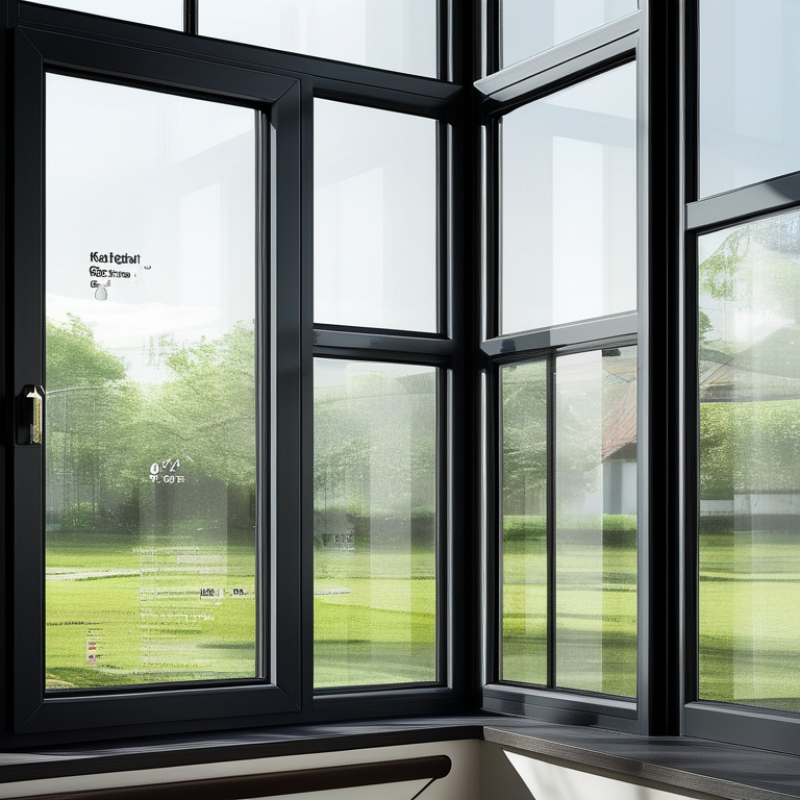
Understanding Energy Efficiency Ratings for Aluminum Windows
Understanding energy efficiency ratings for aluminum windows is crucial for making informed decisions. Energy efficiency ratings typically include U-factors, Solar Heat Gain Coefficient (SHGC), and Visible Transmittance (VT). These ratings provide insights into a window’s heat retention, solar energy, and how much light can enter through the glass.
U-factor measures thermal performance. A lower U-factor indicates better insulation properties. For instance, windows with a U-factor of 0.30 are more efficient than those rated at 0.50. SHGC indicates how well a window blocks heat from sunlight. A SHGC closer to zero means less solar heat gain. Conversely, if you want natural light, you might prefer a higher VT, which measures how much visible light comes through.
Selecting the right aluminum windows might seem straightforward, but it can be complex. Factors like climate, orientation, and local regulations play a big role. Personal preferences can also influence your decision. Understanding these ratings can lead you to better choices, but always reflect on how they align with your home needs. It's beneficial to compare products rigorously. You might discover some windows perform better in unexpected ways.
Key Factors Influencing Energy Efficiency in Aluminum Windows
When evaluating the energy efficiency of aluminum windows, several key factors come into play. The frame design significantly affects insulation properties. Double or triple glazing can enhance thermal performance. The presence of thermal breaks in the frame also matters. These breaks minimize heat transfer, improving overall efficiency.
Another crucial factor is the type of glass used. Low-emissivity (low-E) coatings can help reduce heat loss. The orientation of the windows impacts energy efficiency too. South-facing windows can capture more sunlight, while shaded areas may require different treatments.
Air leakage is often overlooked but can lead to significant energy loss. Ensuring proper sealing and installation helps maintain efficiency. Regular maintenance is necessary to identify potential issues, such as worn seals. The decision to choose aluminum over other materials should consider these variables carefully. Are you prioritizing aesthetics, durability, or thermal performance? Each choice has its implications on energy consumption.
Methods for Testing and Measuring Window Energy Performance
When it comes to assessing the energy efficiency of aluminum windows, measurement methods play a crucial role. Various tests evaluate key factors such as thermal performance, air leakage, and solar heat gain. Thermographic inspections often reveal heat loss zones, which provide actionable insights. This method allows homeowners to identify weak points and enhance insulation.
Another effective test is the National Fenestration Rating Council (NFRC) certification. This standardized procedure evaluates energy performance ratings. It encompasses U-factor, solar heat gain coefficient, and visible transmittance. Each rating informs consumers about the window’s efficiency. Understanding these values is essential for informed decisions.
Field tests, while valuable, have their limitations. They can vary based on installation and environmental conditions. Weather changes may affect results, leading to inconsistent data. Reflecting on the testing method's context is essential. Professional consultation can help navigate these complexities and yield more accurate assessments.
Comparison of Energy Efficiency Ratings for Aluminum Windows
Comparing Energy Efficiency: Aluminum vs. Other Window Materials
When comparing aluminum windows to other materials, energy efficiency stands out as a key factor. Aluminum has a thermal conductivity of around 200 W/mK, making it less insulating compared to wood, which averages about 0.12 W/mK. This difference can lead to significant energy loss in colder climates. However, advancements in thermal breaks have improved aluminum’s performance, reducing heat transfer and enhancing insulation.
Many recent studies show that aluminum frames, when equipped with thermal breaks, can reach U-values as low as 1.5 W/m²K. This is competitive with high-performance vinyl frames, which often achieve U-values around 1.3 W/m²K. Yet, the context matters. In regions with extreme temperatures, aluminum can still be a less optimal choice. Consider the overall building envelope and how each material interacts with insulation and other elements. Statistics indicate that energy costs can decrease by 30% with proper window selection, underscoring the importance of rigorous comparisons.
Installation also plays a significant role in energy efficiency. Poorly installed windows, regardless of the material, can compromise performance. As reported by the National Fenestration Rating Council, proper installation can enhance performance ratings by up to 15%. While aluminum offers benefits, the choice should consider local climate, installation quality, and long-term energy usage. This multifaceted approach will lead to a more informed decision.
Long-term Benefits of Investing in Energy-Efficient Aluminum Windows
Energy-efficient aluminum windows offer many long-term benefits for homeowners. These windows are designed to minimize heat loss, reduce energy consumption, and enhance overall comfort. They can significantly impact your energy bills over time, often leading to substantial savings. Investing in these windows may involve higher initial costs, but the financial advantages tend to outweigh these expenses in the long run.
Moreover, these windows contribute positively to the environment. By reducing energy use, they lower the overall demand for heating and cooling. This, in turn, decreases greenhouse gas emissions. Homeowners who choose energy-efficient aluminum windows often find that they enhance the value of their property. Potential buyers appreciate the benefits of lower operating costs. The allure of sustainability can make these homes more attractive on the market.
However, not all energy-efficient windows perform equally. Factors such as insulation values and installation quality play crucial roles. It’s essential to consult with experts to ensure you make informed decisions. Overlooking these aspects could lead to less than optimal results. Ultimately, this means that while the benefits are clear, the path to achieving them requires careful consideration and expert guidance.
How to Compare Energy Efficiency of Aluminum Windows Effectively?
| Window Type |
U-Value (W/m²K) |
Solar Heat Gain Coefficient (SHGC) |
Energy Star Rating |
Average Cost ($) |
Estimated Lifespan (Years) |
| Double Glazed Aluminum |
1.6 |
0.30 |
Yes |
300 |
30 |
| Triple Glazed Aluminum |
0.8 |
0.25 |
Yes |
450 |
40 |
| Low-E Aluminum |
1.2 |
0.35 |
Yes |
350 |
25 |
| Standard Aluminum |
2.0 |
0.40 |
No |
250 |
20 |
Conclusion
When considering how to compare energy efficiency between different aluminum windows, it’s essential to first understand the energy efficiency ratings that reflect their performance. These ratings provide a standardized measurement for consumers to assess how well aluminum windows insulate and reduce energy consumption. Key factors influencing energy efficiency include the window frame design, glazing options, and thermal breaks, which all play a significant role in overall performance.
Testing and measuring window energy performance can be conducted through specific methods that gauge heat transfer and air leakage, allowing for a clear comparison among various models. Additionally, it's important to evaluate aluminum windows against other materials to understand their relative advantages. Investing in energy-efficient aluminum windows offers long-term benefits, including reduced energy bills and increased comfort within the home, making it a wise choice for energy-conscious consumers.

 Magella Door