Choosing aluminum windows for your home involves considering energy efficiency. Understanding "How to compare energy efficiency between different aluminum windows" is essential. Renowned expert Andrew Collins states, “Energy performance is not always straightforward, but proper comparisons can guide homeowners.”
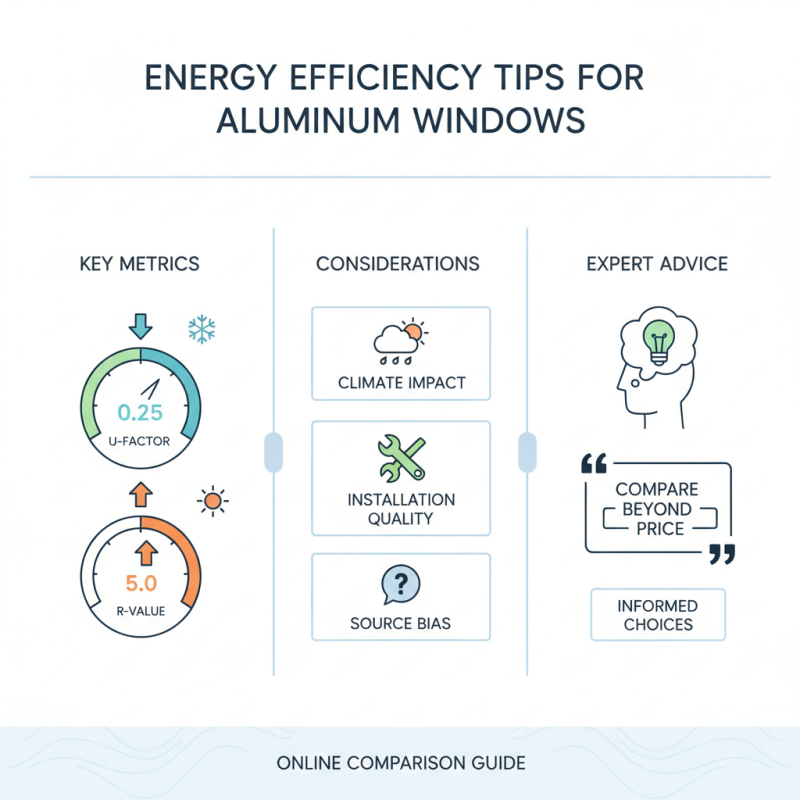
Energy efficiency ratings can vary significantly among products. This complexity can lead to confusion for buyers. It is crucial to look beyond just the window's price. Factors like R-value and U-factor play vital roles in energy performance. Comparing these ratings can empower homeowners to make informed decisions. A thorough understanding of these metrics is essential for effective comparisons.
Additionally, consider real-world scenarios such as climate impact or installation quality. These practical elements can greatly influence performance outcomes. While you may have reliable sources, always question their bias. Remember, not all energy ratings are equal, and some may overstate benefits. The more informed you are, the better choices you can make for energy-efficient windows.
When exploring aluminum windows, energy efficiency ratings are crucial. These ratings help you understand how well a window can insulate. The National Fenestration Rating Council (NFRC) provides standardized metrics. You’ll see numbers related to U-factor, solar heat gain coefficient, and Visible Transmittance. These factors give insight into energy loss and natural light.
The U-factor measures how much heat escapes. A lower number indicates better insulation. A window with a U-factor of 0.30 is significantly more efficient than one rated at 0.60. The solar heat gain coefficient evaluates how much solar radiation enters your home. Lower values correlate with better performance in hot climates. For instance, homes in sunny areas should aim for a SHGC below 0.25.
Many people overlook these ratings while shopping. This can lead to higher energy bills later. Research shows that over 30% of energy loss occurs through windows. Thus, a window’s energy efficiency is not just a detail; it's a significant factor in overall home performance. Investing time in comparing these ratings can prevent future regrets. Use online tools to examine the performance of various models effectively.
When evaluating aluminum windows, understanding the key factors affecting their performance is crucial. One significant aspect is thermal conductivity. According to the American Society of Heating, Refrigerating and Air-Conditioning Engineers (ASHRAE), aluminum naturally conducts heat. This means that without proper insulation, energy efficiency can suffer. The introduction of thermal breaks has improved insulation, but not all models feature this technology.
Another important factor is the window’s frame design. The National Fenestration Rating Council (NFRC) emphasizes that frame design influences not only aesthetics but also air leakage and overall energy efficiency. Poorly designed frames may allow drafts, increasing heating and cooling costs by up to 30%. It’s essential to compare structural designs carefully when assessing options online.
Additionally, the glass used in these windows impacts performance. Low-emissivity (Low-E) coatings can improve energy efficiency by reflecting heat. The U.S. Department of Energy indicates that using Low-E glass can reduce energy loss by up to 50%. However, while these advancements exist, potential buyers should always seek comprehensive data and reliable comparisons to ensure they make informed decisions. Energy efficiency often relies on specific configurations and settings, which vary widely among products.
When comparing aluminum windows, the U-Factor is a crucial metric. This value indicates the window's insulation quality. A lower U-Factor means better insulation performance. According to the U.S. Department of Energy, a U-Factor of 0.30 or less is optimal for energy efficiency. Many consumers, however, may overlook this figure when making purchasing decisions.
Windows with a high U-Factor can lead to significant energy loss. In fact, energy.gov reports that nearly 30% of heating and cooling energy can escape through inefficient windows. To make informed decisions, always check U-Factor ratings. Also, consider the climate in your area. Colder climates benefit from windows with lower U-Factor ratings, while warmer climates might prioritize other factors.
While it's essential to focus on U-Factor, it's equally important to reflect on other aspects. For instance, the overall design and installation of the window play a role in performance. A poorly installed window can negate the advantages of a low U-Factor. Therefore, assessing insulation quality involves looking beyond just numbers and considering real-world application and contractor expertise.
The Solar Heat Gain Coefficient (SHGC) plays a critical role in window efficiency. This measurement indicates how much solar heat can pass through a window. A lower SHGC means less heat enters, which can reduce cooling costs in hot climates. According to the U.S. Department of Energy, a decrease in SHGC can lead to energy savings of 10% to 15% during peak cooling periods.
When evaluating aluminum windows, consider their SHGC ratings. Many aluminum windows now feature advanced glazing technologies. These can significantly enhance thermal performance, reducing unwanted heat transfer. Interestingly, a study from the Harvard School of Engineering shows that high-performance aluminum windows can outperform traditional options by up to 20% in energy efficiency.
However, the ideal SHGC value varies by location. In sunny regions, homeowners might prefer a lower SHGC. Conversely, in colder areas, a higher SHGC can help utilize solar heating, providing warmth and reducing reliance on heating systems. These nuances highlight the importance of analyzing local climate conditions when selecting windows. Thoughtful choices and comparisons ultimately result in improved energy efficiency and comfort in homes.
Upgrading to aluminum windows can significantly enhance energy efficiency in homes. According to the U.S. Department of Energy, over 30% of a home's energy is lost through inefficient windows. By replacing older models with modern aluminum windows, homeowners could save anywhere from 10% to 25% on heating and cooling costs annually. This potential for savings makes a strong case for conducting a cost-benefit analysis before making a purchase.
When comparing aluminum windows online, it's crucial to consider their insulation properties. Look for high-performance glazing options. Low-E (low emissivity) coatings can reduce energy transfer, helping maintain indoor temperatures. According to the Efficient Windows Collaborative, windows with low-E coatings can save homeowners up to $500 per year.
Consider installing energy-efficient windows in phases. Take into account rooms that experience the most energy loss. Not all windows need upgrades at once, allowing for a gradual investment. Evaluate the long-term energy savings against your budget. This approach can lead to better financial planning. Remember, while energy-efficient windows can be costly upfront, the return on investment is often substantial over time. Keeping track of these factors will provide a balanced view of the benefits of new aluminum windows.
: SHGC measures how much solar heat passes through a window. A lower SHGC reduces heat entry, decreasing cooling costs.
A decrease in SHGC can lead to energy savings of 10% to 15% during peak cooling. This is significant in hot climates.
Aluminum windows can offer better thermal performance. Advanced glazing technologies enhance energy efficiency compared to older options.
Consider your local climate. Sunny regions may need lower SHGC. Colder areas benefit from higher SHGC for warmth.
Upgrading to aluminum windows can save 10% to 25% on heating and cooling costs annually. This can reduce energy waste significantly.
Low-E coatings reduce energy transfer through windows. They can maintain indoor temperatures and save homeowners up to $500 per year.
No, consider upgrading in phases. Focus on rooms with the highest energy loss for gradual investment and better budget management.
Energy-efficient windows can be costly upfront. However, their long-term savings often justify the initial investment.
No, efficiency varies. Check SHGC ratings and insulation properties for optimal energy performance before making a decision.
Conduct a cost-benefit analysis. Evaluate potential energy savings against upfront costs for a balanced financial decision.
When considering how to compare energy efficiency between different aluminum windows, it's essential to understand various rating factors that impact performance. Key aspects such as the U-Factor, which measures a window's insulation quality, play a vital role. A lower U-Factor indicates better insulation and energy efficiency, making it crucial in your decision-making.
Additionally, the Solar Heat Gain Coefficient (SHGC) is another critical rating that indicates how well a window can block heat from sunlight. Evaluating these factors can provide significant insights into the overall efficiency of aluminum windows. Conducting a cost-benefit analysis on energy savings from upgrading to more efficient models can further help homeowners make informed choices, maximizing both comfort and financial savings in the long run.

Magella Door