Evaluating the sealing performance of aluminum windows is crucial for ensuring energy efficiency and comfort in buildings. Proper seals prevent air leaks and moisture intrusion, which can lead to significant issues over time. When considering how to judge the sealing performance of aluminum windows, various methods and indicators come into play.
One must pay attention to specific tests, such as the water penetration test and air infiltration test. These assessments can reveal weaknesses in the installation or design. Additionally, the quality of materials used directly impacts the longevity and effectiveness of seals. Poor materials may degrade faster and compromise sealing performance over time.
Homeowners should also consider the reputation of manufacturers. Researching customer reviews and expert opinions can provide valuable insights into product reliability. Consider visiting installations to observe real-life performance, as this can highlight potential flaws. Ensuring that aluminum windows maintain their sealing performance is not just about the initial purchase. It's an ongoing responsibility that requires attention and sometimes, reflection on previous choices.
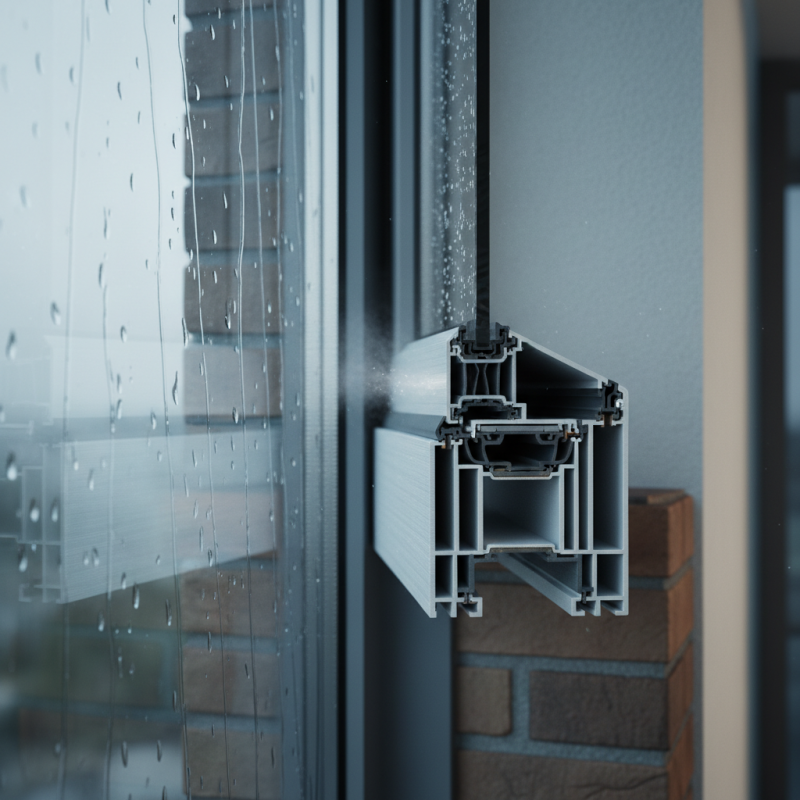
Evaluating the sealing performance of aluminum windows is crucial. Sealing ensures that air and water cannot penetrate, providing comfort and reducing energy costs. Good sealing also protects against mold and damage. Understanding how this performance affects your space is essential for making informed decisions.
A weak seal can lead to drafts and moisture build-up. These issues can compromise indoor air quality. Inspecting seals for wear or gaps is a good practice. Regular checks can save significant repair costs later. Using a simple water test can reveal leaks. Even minor gaps can have a big impact.
While many overlook sealing, it requires attention. Not every window will perform the same, even if they are from the same materials. Simple tests can be done by homeowners. However, professional evaluation may still be necessary for accurate results. We should consider both budget and long-term needs. Each installation presents unique challenges that require reflection and careful evaluation.
When evaluating the sealing performance of aluminum windows, several key factors come into play. One essential aspect is the quality of gaskets and seals. These materials should resist aging and maintain flexibility over time. Inspections can reveal whether they have degraded or lost their effectiveness. Regular checks on the condition of these sealing components are crucial. Over time, wear and tear may affect their performance.
Another factor is the design of the window frame. A well-designed frame ensures that water and air do not penetrate. Testing for air leaks can help in assessing how well the windows perform. Additionally, environmental factors like temperature fluctuations can impact sealing effectiveness. Extreme weather conditions may expose weaknesses that weren't initially apparent.
It’s important to consider installation practices as well. Poor installation can lead to gaps and misalignments. These issues can significantly undermine the sealing performance. Documentation from installers can provide insights into their methods and any potential concerns. Regular maintenance checks can address minor issues before they escalate. Overall, a thoughtful approach to these factors can help in evaluating and improving sealing performance effectively.
Evaluating the sealing performance of aluminum windows is crucial for energy efficiency and comfort. Testing methods can vary, but several effective techniques are widely used in the industry. These techniques assess how well the windows prevent air and water leaks, which can compromise insulation.
One common method involves the use of pressurized air tests. In this test, the window is subjected to controlled pressure, simulating wind load and identifying any leaks. Observing the flow of air during this test reveals weak points in the sealing. Another method is the water penetration test. This involves spraying water at high pressure on the window's surface, checking if water infiltrates the seal. Both tests provide measurable data on the window's performance.
It's essential to conduct these tests in a controlled environment to ensure accuracy. However, inconsistencies can arise from external factors like temperature and humidity. Understanding these variables is vital for interpreting results. Learning from these challenges can improve testing processes over time. Refining testing methods helps create better sealing solutions, enhancing overall window performance.
Evaluating the sealing performance of aluminum windows is crucial for long-term durability and energy efficiency. When analyzing test results, focus on the metrics that indicate how air and water permeate through the seals. The air leakage rate, measured in cubic feet per minute, provides insights into insulation capacity. A low leakage rate suggests better sealing. However, even the best ratings can overlook real-world conditions.
Interpreting water penetration tests is equally important. They classify performance based on the window's ability to withstand water under various pressures. Inadequate sealing can lead to moisture intrusion, causing structural damage. Keep in mind that achieving perfect results is rare. Variability in materials and installation practices often influences the outcomes. This uncertainty requires a cautious approach when assessing quality.
It's essential to combine technical data with field experience. Test results can reveal trends, but they might not capture every scenario. Refining the evaluation process improves reliability. Engaging with qualified professionals to interpret these findings can enhance understanding. Learning from past mistakes can help shape better sealing solutions in the future, even if challenges arise.
| Test Method | Performance Indicator | Measured Value | Acceptance Criteria | Status |
|---|---|---|---|---|
| Water Tightness Test | Water Penetration Resistance | No Leakage | No Leakage After 30 Minutes | Pass |
| Air Leakage Test | Air Infiltration Rate | 0.1 cfm/ft² | < 0.3 cfm/ft² | Pass |
| Structural Integrity Test | Load Resistance | Pass Under 1600 Pa | Pass Under 1600 Pa | Pass |
| Thermal Performance Test | U-Value | 1.5 W/m²K | ≤ 2.0 W/m²K | Pass |
| Impact Resistance Test | Impact Load | No Damage | No Damage After Impact | Pass |
Improving the sealing performance of aluminum windows is crucial for energy efficiency and comfort in buildings. According to industry reports, poor sealing can lead to energy losses of up to 30%. This highlights the importance of effective sealing methods in window design.
One effective recommendation is the use of high-performance gaskets and weather stripping. These materials provide better insulation and reduce air leaks. A study by the National Fenestration Rating Council indicates that windows with premium sealing technology can decrease air infiltration rates by 50%. Installing these components correctly is essential. Misalignment can compromise their effectiveness and lead to unanticipated maintenance issues.
Regular inspections and maintenance are equally important. Even high-quality seals degrade over time due to exposure to weather conditions. A report by the American Architectural Manufacturers Association suggests routine checks every five years. Homeowners often overlook this, leading to increased energy costs and discomfort. Reflecting on these practices can help ensure that aluminum windows perform at their best for years to come.
: Sealing performance is crucial for comfort, energy efficiency, and protection against moisture and mold.
A simple water test can reveal leaks. Regular inspections for wear or gaps are helpful too.
Key factors include the quality of gaskets, window frame design, and the installation practices used.
Regular maintenance can prevent minor issues from escalating into costly repairs. It ensures long-term effectiveness.
Not necessarily. Performance can vary even among the same materials due to design and installation quality.
Extreme weather can reveal weaknesses in seals, affecting their long-term performance and reliability.
A lower air leakage rate suggests better sealing, but real-world conditions can influence these metrics.
Professionals can provide a more accurate assessment of sealing performance and help identify underlying issues.
Yes, poor installation can create gaps. Proper techniques are essential for optimal performance.
Test results can vary based on materials and methods. Caution is necessary when interpreting the findings.
This article explores the critical factors involved in evaluating the sealing performance of aluminum windows, addressing the question of "How to judge the sealing performance of aluminum windows." Sealing performance is crucial for energy efficiency, comfort, and protection against the elements, making its evaluation an essential aspect of window assessment.
Key factors influencing sealing performance include the quality of materials, installation techniques, and environmental conditions. The article outlines various testing methods such as air and water infiltration tests, which provide insights into how well aluminum windows perform in real-world scenarios. Interpreting these test results allows for effective quality assessment and helps identify areas for improvement. Lastly, the article offers practical recommendations for enhancing sealing performance, ensuring that aluminum windows meet high standards for durability and efficiency.

Magella Door