How to Identify Genuine Thermal Break Aluminum Doors and Windows?

Time:2026-04-14 Author:Madeline
0%

Identifying genuine thermal break aluminum doors and windows is crucial for energy efficiency. According to industry expert John Smith, "Quality begins with understanding the product's construction." This insight highlights the need for a thorough examination of these windows and doors.

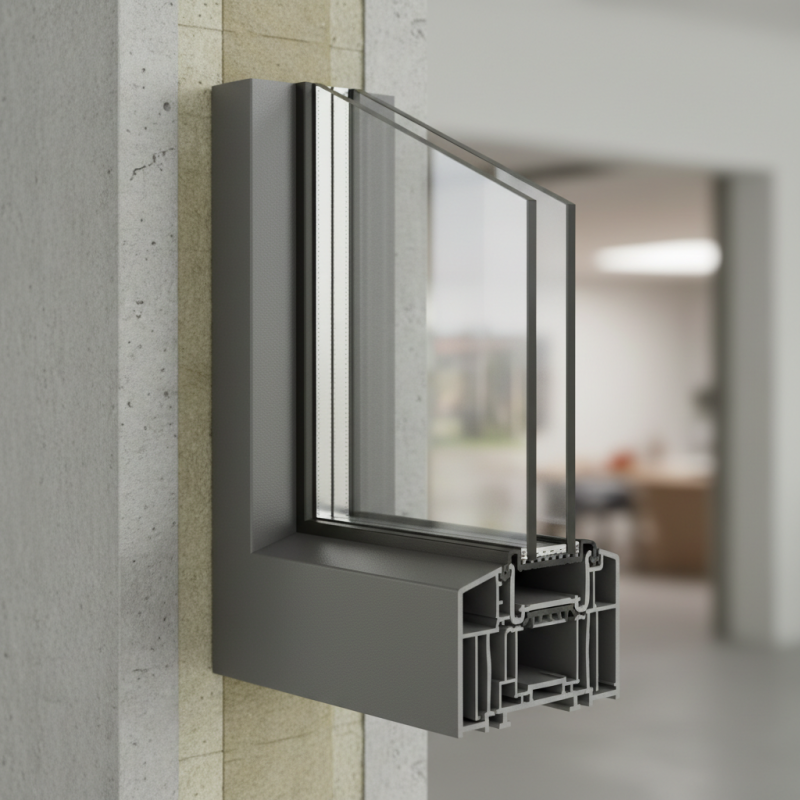
When considering how to identify genuine thermal break aluminum doors and windows, various elements come into play. Look closely at the material. Authentic products should have a robust thermal break inserted between the aluminum layers. This feature enhances insulation, minimizing heat transfer. Check for certifications that ensure the product meets industry standards as well.

In the competitive market, it’s easy to be misled by cheaper alternatives. Observing fine details can be challenging, but it is essential. A careful assessment of the labels and a thorough inspection of the frame integrity can reveal the genuine product. Remember, a wise investment today ensures comfort and savings in the long run.
How to Identify Genuine Thermal Break Aluminum Doors and Windows?

Understanding Thermal Breaks in Aluminum Doors and Windows

Understanding thermal breaks in aluminum doors and windows is crucial for energy efficiency. A thermal break is a separation between the interior and exterior of the door or window frame. According to industry reports, aluminum doors without proper thermal breaks can result in heat transfer issues. This can lead to increased energy consumption. In fact, studies indicate that up to 30% of a building's heating and cooling costs could stem from inadequate insulation.

Genuine thermal break systems use materials like polyamide to reduce this heat flow. The presence of such materials is essential in energy-efficient designs. Research reveals that buildings utilizing thermal break technology can achieve energy savings of up to 15%. However, not all products labeled as thermal break systems are created equal. Often, manufacturers may cut corners, producing designs that only partially insulate. This is a potential red flag for consumers.

Detecting the quality of a thermal break can be challenging. Look for certifications or detailed specifications that back up performance claims. Additionally, a visual inspection can help; genuine thermal breaks should have a clear separation in the frame. Understanding these details is critical, as misinformation can lead to poor purchasing decisions. Balancing cost and quality remains an ongoing challenge in the market.

How to Identify Genuine Thermal Break Aluminum Doors and Windows?

Feature Description Importance
Insulation Material Verify the thermal break material, which should be high-density polyamide. Crucial for energy efficiency and reducing heat transfer.
Frame Construction Check if the frame has a continuous thermal break without gaps. Ensures maximum insulation performance.
Certification Look for compliance with industry standards and certifications. Helps validate quality and performance claims.
Condensation Testing Assess condensation resistance ratings for the product. Important for moisture control and longevity.
Manufacturer Reputation Research manufacturer reviews and project history. A reliable manufacturer is key to quality assurance.

Key Features of Genuine Thermal Break Aluminum Products

When assessing genuine thermal break aluminum doors and windows, specific features stand out. The most crucial aspect is the thermal break itself, which is an insulating material placed between the interior and exterior aluminum sections. This significantly reduces thermal conductivity. According to a 2021 report by the Aluminum Association, effective thermal breaks can reduce heat loss by up to 40%.

Another key feature is the profile thickness. Genuine thermal break products should have a minimum profile thickness of 1.2 mm. Thinner profiles can compromise structural integrity. Additionally, reputable manufacturers prioritize quality control. They should provide data on product testing, including thermal transmittance and air leakage rates. The American Architectural Manufacturers Association states that effective thermal break systems can achieve U-values as low as 0.30 W/m²K, which adds to energy efficiency.

Lastly, check for certifications. Reliable products often carry certifications from respected organizations. These documents validate performance claims. However, not all products meet these stringent standards. Some might present misleading information about energy savings. Being informed and asking for data can help avoid costly mistakes in choosing thermal break systems.

Visual Inspection Techniques for Authentic Doors and Windows

Identifying genuine thermal break aluminum doors and windows starts with a thorough visual inspection. Look for a clean finish and uniform color across the frame. Authentic products usually exhibit high craftsmanship. Check the corners; they should be seamless and well-welded rather than glued. Poor joins can indicate a lack of quality.

Next, examine the thermal break itself. Genuine thermal breaks use high-performance insulation materials. Feel for a consistent barrier between the exterior and interior metal. If the temperature difference is minimal, the insulation is likely insufficient. Additionally, look for signs of condensation or moisture around the seams. This could hint at ineffective thermal performance.

Keep an eye out for labels or certifications indicating compliance with industry standards. However, just because a door looks nice does not guarantee performance. Consider hiring an expert for advice if unsure. Remember, proper visual inspection can save you from costly mistakes.

Evaluating Manufacturer Certifications and Standards

When assessing the quality of thermal break aluminum doors and windows, manufacturer certifications are essential. A reputable manufacturer often adheres to industry standards like AAMA (American Architectural Manufacturers Association) and ISO (International Organization for Standardization). These certifications indicate that the products pass stringent tests for thermal performance and structural integrity. A study by the U.S. Department of Energy pointed out that high-quality thermal break systems can reduce energy loss by up to 30%, improving overall energy efficiency.

However, not all certifications are equal. Some manufacturers may use outdated processes or incomplete testing methods. It’s crucial to examine the details of each certification closely. Look for thermal transmittance values (U-values) provided by certified tests rather than generalized claims. A report from the National Institute of Standards and Technology indicates that improperly tested products can lead to thermal performance failures, resulting in increased energy costs for homeowners.

Furthermore, assessing a manufacturer's reputation in the industry adds another layer of reliability. Reading third-party reviews and case studies can provide insights into performance over time. Some manufacturers might excel in design but falter in thermal efficiency, leading to potential future drawbacks for consumers. Understanding these nuances can guide informed decisions when purchasing thermal break aluminum products.

Comparing Performance Metrics of Thermal Break Options

When comparing thermal break aluminum doors and windows, performance metrics play a crucial role. A genuine thermal break system effectively separates interior and exterior aluminum sections. This separation minimizes heat transfer, enhancing energy efficiency. Pay attention to the materials used in the thermal break. Polyamide and polyurethane are popular choices, providing excellent insulation. Check the thickness of the thermal break as it affects performance. A thicker break typically offers better energy conservation.

Another important factor is the condensation resistance. Superior thermal break systems reduce condensation, preventing potential mold growth. Look for indicators such as low U-values, which measure heat transfer. The lower the U-value, the better the insulating performance. A high-quality thermal break also decreases noise infiltration, contributing to a more comfortable indoor environment.

Even with these metrics, imperfections can occur. For instance, improper installation may compromise efficiency. Additionally, over time, seals may degrade, affecting performance. It’s vital to assess ongoing maintenance needs. Evaluate warranties and support offered by manufacturers for installation and future repairs. Ensure the solution adapts to climate conditions in your area for a reliable long-term investment.

Performance Metrics of Thermal Break Aluminum Doors and Windows

FAQS

: What is a thermal break in aluminum products?

: A thermal break is an insulating material placed between interior and exterior aluminum sections.

How does a thermal break enhance energy efficiency?

It significantly reduces thermal conductivity, lowering heat loss by up to 40% according to industry reports.

What is the minimum profile thickness for quality thermal break products?

Genuine products should have a minimum profile thickness of 1.2 mm to maintain structural integrity.

Why is quality control important in thermal break products?

Quality control ensures reliable thermal performance and accurate data on thermal transmittance and air leakage rates.

How can I visually inspect thermal break aluminum doors and windows?

Look for a clean finish, uniform color, well-welded corners, and consistent insulation between metals.

What materials are commonly used in thermal breaks?

Polyamide and polyurethane are popular choices due to their excellent insulation properties.

What are U-values, and why are they important?

U-values measure heat transfer; lower values indicate better insulation and energy conservation.

How can improper installation affect thermal break performance?

If not installed correctly, efficiency may be compromised, leading to higher energy costs over time.

How can condensation around seams indicate thermal performance issues?

Signs of condensation may suggest insufficient insulation or thermal breaks failing to perform effectively.

What should I consider about warranties for thermal break systems?

Evaluate the warranties and support for installation and repairs to ensure long-term reliability.

Conclusion

This article titled "How to Identify Genuine Thermal Break Aluminum Doors and Windows" delves into the essential aspects of recognizing authentic thermal break aluminum products. It begins by explaining the concept of thermal breaks and their significance in enhancing energy efficiency. Key features of legitimate thermal break aluminum doors and windows are highlighted, focusing on their design and construction.

The article outlines practical visual inspection techniques, enabling consumers to differentiate genuine products from imitations. It emphasizes the importance of evaluating manufacturer certifications and standards to ensure quality and compliance. Lastly, it facilitates a comparison of performance metrics among various thermal break options, equipping readers with the knowledge needed to make informed purchasing decisions.

Madeline

Madeline

Madeline is a dedicated marketing professional with a wealth of expertise in our company's core offerings. With a keen understanding of the industry, she brings a unique perspective to her role, consistently delivering high-quality content that highlights the superior aspects of our products. As......