How to Identify Genuine Thermal Break Aluminum Doors and Windows?

Time:2026-07-24 Author:Amelia
0%

Identifying genuine thermal break aluminum doors and windows is crucial for energy efficiency and long-lasting performance. As John McAllister, a renowned expert in building materials, once stated, “A solid thermal break is the heart of energy-saving windows and doors.” His insight underscores the importance of understanding product features.

To discern authenticity, consumers should examine the materials used. High-quality aluminum frames feature a thermal break composed of non-conductive materials. Genuine products often have labels indicating adherence to industry standards. Additionally, inspect the installation; a professional installation often highlights durability.

Visual inspection is essential, but so is asking questions. Reliable manufacturers should provide detailed information about their products. Be wary of overly cheap options. They might lack the necessary components for proper thermal insulation. Remember, investing time in understanding how to identify genuine thermal break aluminum doors and windows benefits energy savings and enhances comfort at home.
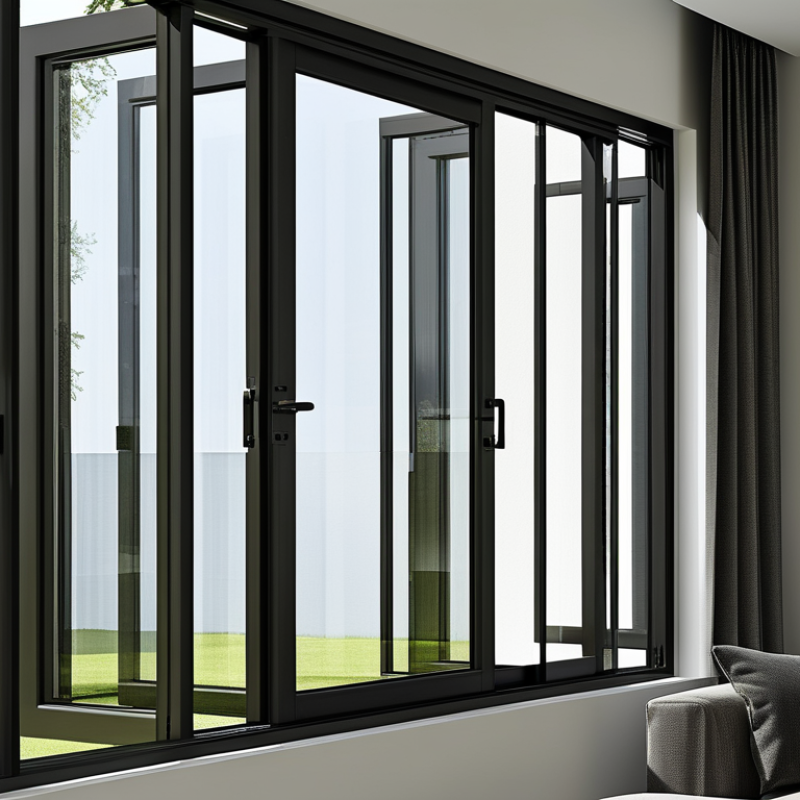
How to Identify Genuine Thermal Break Aluminum Doors and Windows?

Understanding the Basics of Thermal Break Aluminum Doors and Windows

Thermal break aluminum doors and windows are designed to enhance energy efficiency. Understanding their construction is key to identifying genuine products. These windows and doors feature a plastic or rubber barrier within the aluminum frame. This barrier prevents heat transfer, helping to maintain indoor temperatures. Look for products that clearly specify this thermal break feature.

To determine authenticity, examine the frame closely. Genuine thermal break aluminum should feel solid and heavy. Check for a consistent, smooth finish. A well-constructed frame will have a seamless integration of materials. In contrast, inferior products might show gaps or feel flimsy.

Valid certifications can also guide your choice. Trusted manufacturers will provide documentation proving their thermal break technology. Pay attention to the warranty details as well. A longer warranty often signifies confidence in product durability. However, be cautious of overly aggressive marketing claims. Evaluate all these factors critically to ensure you make an informed decision.

Comparison of Thermal Break Aluminum Doors and Windows Attributes

Key Characteristics of Genuine Thermal Break Materials

When identifying genuine thermal break aluminum doors and windows, focus on the material's characteristics. Authentic thermal break materials have a plastic spacer between the aluminum sections. This design reduces thermal conductivity. Look for a consistent, even profile along the frame. Uneven surfaces may indicate inferior construction.

Another key trait is the weight of the frame. Genuine thermal break aluminum often feels heavier due to the quality of materials used. Heavier frames offer better durability and energy efficiency. Additionally, check for manufacturers' certifications. These documents should validate product performance and material quality.

Visually inspect the corners and joints. Poorly sealed joints can lead to heat transfer. If the thermal break isn't well-defined, reconsider your options. Not all products labeled as thermal break perform as advertised. Understanding these characteristics can save you from future regrets.

Visual Inspection Techniques for Authentic Thermal Break Profiles

Identifying genuine thermal break aluminum doors and windows starts with visual inspection. The thermal break should be clearly visible. Look for a non-metallic spacer between the interior and exterior aluminum sections. This spacer is often made of a high-quality polymer. If you don’t see this material or it looks poorly finished, it could be a sign of a fake thermal break.

Another indicator is the quality of the overall construction. Authentic profiles tend to have smooth finishes and consistent paint application. Run your fingers along the edges. Any rough spots may suggest inferior manufacturing. Additionally, check for any signs of oxidation or corrosion around the seams, which might indicate low-quality materials. Ensure that the corners are well-mitered and not simply welded. Poor joints can lead to thermal transfer, negating the benefits of the thermal break.

Finally, don’t overlook the weight and feel of the doors and windows. Genuine thermal break structures often weigh more due to their robust design. A lightweight product could mean the absence of a proper thermal break. However, be aware that not all heavy products guarantee quality. Sometimes, heaviness can stem from cheap materials. Always be critical in your evaluation, focusing on both appearance and feel.

Common Misconceptions About Thermal Break Aluminum Products

Many people have misconceptions about thermal break aluminum products. One common belief is that all aluminum doors and windows offer adequate thermal insulation. In reality, only those designed with a proper thermal break can genuinely provide energy efficiency. A thermal break is a non-conductive material that separates the inner and outer aluminum sections. This design significantly reduces heat transfer.

Another misconception is that higher price always indicates higher quality. While it can be true that premium products have better performance, not all expensive options guarantee effectiveness. It's essential to examine specifications, such as the type of thermal break used and the overall construction quality. This understanding can prevent poor investment choices.

Lastly, some assume that thermal break aluminum products require more maintenance. While they do require attention, the commitment is often less than many traditional materials. Regular cleaning and checks can keep them functioning effectively. Being aware of these misconceptions can help consumers make informed decisions. It's critical to focus on the product's features rather than beliefs alone.

How to Identify Genuine Thermal Break Aluminum Doors and Windows? - Common Misconceptions About Thermal Break Aluminum Products

Dimension Description Common Misconceptions Indicators of Quality
Thermal Break A barrier between the interior and exterior to reduce heat transfer. All aluminum frames naturally have thermal break. Check for polymer materials used in the thermal break.
Frame Material Aluminum with added thermal break resistance. All aluminum is suitable without consideration of thermal break. Look for specifications on thermal performance ratings.
Energy Efficiency Reduces energy bills by minimizing heat loss. All aluminum doors and windows are energy efficient. Check for Energy Star ratings or equivalent qualifications.
Cost Typically higher due to advanced manufacturing processes. More expensive means lower quality. Analyze long-term savings vs initial costs.
Installation Proper installation is critical for performance. Installation does not affect product efficiency. Use certified professionals for installation.

Testing Methods to Verify the Effectiveness of Thermal Breaks

When assessing the effectiveness of thermal break aluminum doors and windows, certain testing methods prove invaluable. One effective approach involves thermal imaging. This method allows you to visualize heat movement through the frame. Observing thermal leaks is easier with this technique. By identifying cold spots, you can determine insulation performance.

Another method is the U-value test. This evaluates the overall thermal performance of doors and windows. A lower U-value indicates better insulation. However, achieving accurate results requires controlled testing environments. This may not always reflect real-world conditions, leading to discrepancies.

Pressure tests also play a crucial role. They measure air infiltration and water tightness. A well-performing thermal break should show minimal air leaks. Costs can vary significantly for these tests, and not all facility owners may prioritize them. Inadequate testing might compromise energy efficiency, prompting reflection on genuine product performance.

FAQS

: What are thermal break aluminum doors and windows?

: They are designed to improve energy efficiency by reducing heat transfer.

How can I identify genuine thermal break products?

Look for a plastic or rubber barrier inside the aluminum frame that prevents heat transfer.

What should I check in the frame's construction?

Examine the frame for a solid feel, consistent finish, and seamless integration of materials.

How important is weight in determining quality?

Genuine thermal break aluminum doors and windows typically feel heavier, indicating better materials used.

What should I look for in certifications?

Valid certifications provide proof of thermal break technology and performance standards.

What does a longer warranty signify?

A longer warranty often shows the manufacturer's confidence in the product's durability.

What are signs of inferior construction?

Gaps in construction, uneven surfaces, or poorly sealed joints can indicate low-quality products.

How can I visually inspect for authenticity?

Look for a non-metallic spacer between the aluminum sections and check for smooth finishes.

Are there any indications of low-quality materials?

Signs of oxidation or corrosion around seams might suggest inferior quality.

Should I always trust heavy products?

Not all heavy products guarantee quality. Sometimes, heaviness can result from cheap materials.

Conclusion

In the quest to enhance energy efficiency in buildings, understanding how to identify genuine thermal break aluminum doors and windows is crucial. The article begins by explaining the fundamentals of thermal break technology, which is designed to reduce heat transfer and improve insulation. Key characteristics of authentic thermal break materials include the presence of a non-metallic barrier that separates the interior and exterior aluminum frames, ensuring reduced thermal conductivity.

Visual inspection techniques are highlighted, allowing individuals to spot real thermal break profiles through features such as consistent insulation color and the absence of metal contact. Additionally, the article addresses common misconceptions surrounding thermal break aluminum products, emphasizing the importance of thorough assessments. Finally, various testing methods are discussed to verify the effectiveness of thermal breaks, ensuring that consumers can make informed decisions when selecting these energy-efficient solutions for their homes or buildings.

Amelia

Amelia

Amelia is a seasoned marketing professional with a wealth of expertise in our company’s core offerings. With an unwavering passion for driving growth and innovation, she plays a pivotal role in shaping our marketing strategies and enhancing brand visibility. A key aspect of her responsibilities......