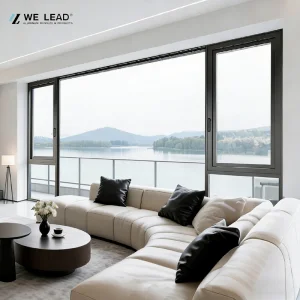
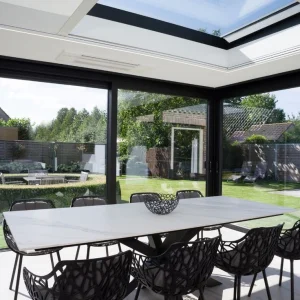
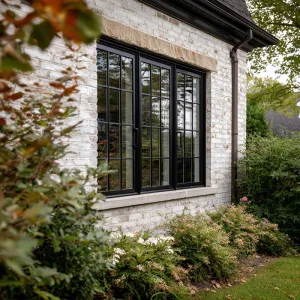
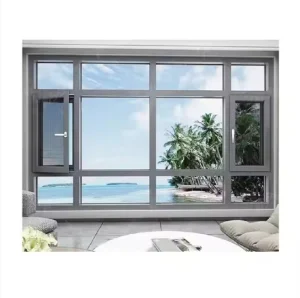
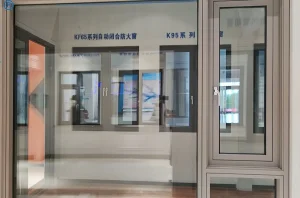
Explore our certified range of high-insulation windows, structural picture panels, and custom swing doors engineered for global markets.
In contemporary architectural design, the building envelope is no longer viewed simply as a static barrier separating indoor environments from external meteorological shifts. Driven by urgent global requirements for decarbonization, sustainable construction standards, and smart automation, modern fenestration systems have evolved into dynamic, load-bearing micro-ecosystems.
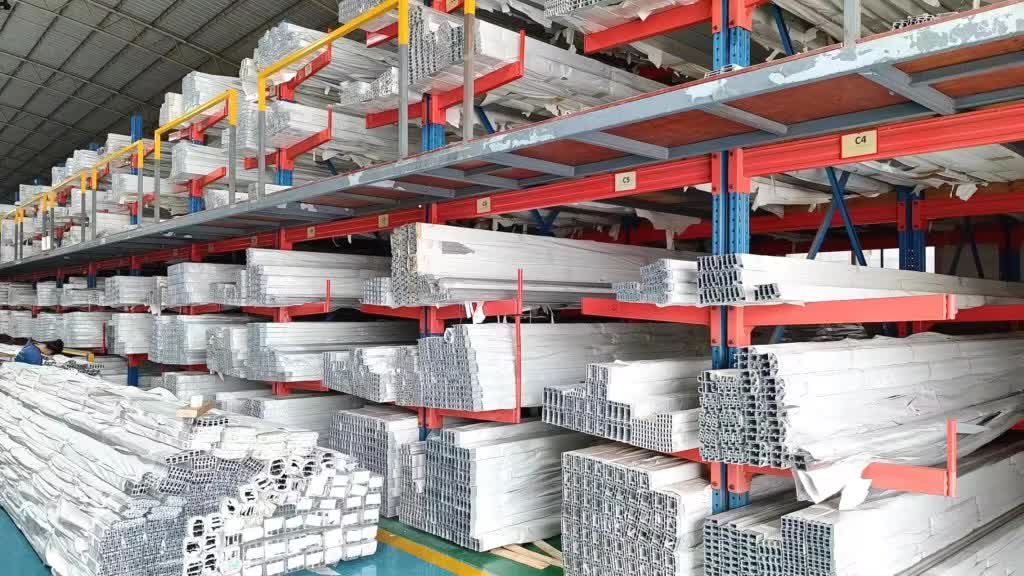
As one of the world's preeminent hubs for advanced manufacturing, China has undergone a critical paradigm shift from high-volume, low-cost assembly lines to a pioneering position in China Factory 4.0 fabrication methodologies. Today, leading Chinese manufacturers and exporters are combining thermal break structural systems, custom blind-in-glass (shutter) technologies, and high-performance safety glazing to supply top-tier international projects.
Magella, at the forefront of this industrial transformation, specializes in the research, development, and system integration of architectural aluminum profiles. Through precision partnerships with German system developers and local engineering houses, we deliver custom residential and commercial windows, bi-folding patio partitions, and integrated shutter doors that comply with strict global building codes, including the Australian AS2047 standard and North American NFRC certifications (U-values down to 0.2).
"The modern facade must balance high solar heat gain control with high optical clarity. The integration of motorized and manual micro-shutters (blinds) within hermetically sealed double and triple glazed units represents the peak of architectural energy management."
The international architectural market is experiencing a profound transition shaped by energy conservation policies, structural urbanization, and safety regulations. We identify four primary forces defining the procurement criteria for institutional buyers:
How Chinese advanced manufacturing delivers unprecedented value to modern architectural engineering projects.
Collaborative structural design integrating advanced German window and shutter hardware systems including HOPPE, SIEGENIA AUBI, ROTO, and BOGO, ensuring seamless kinematics and long service lifetimes.
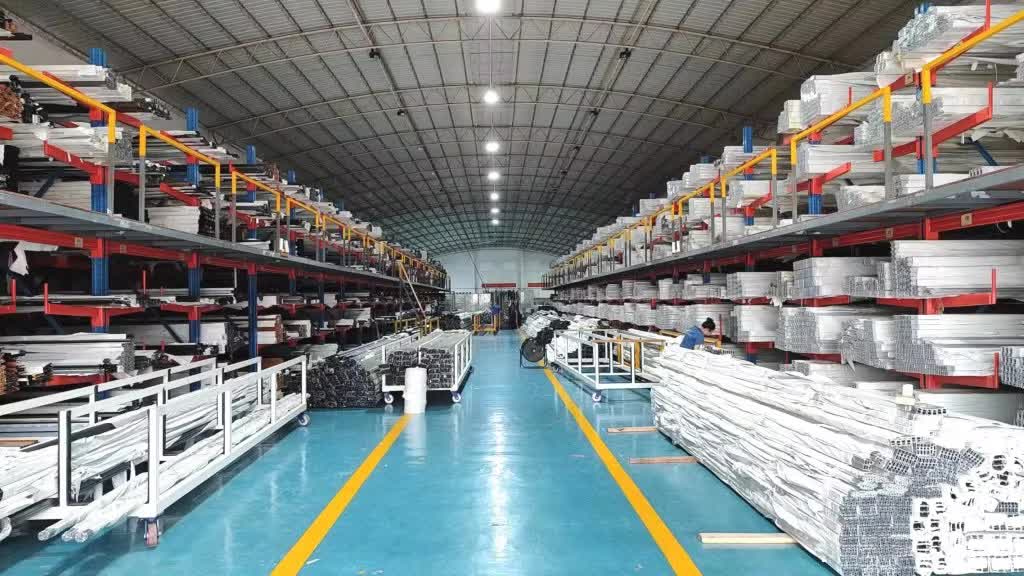
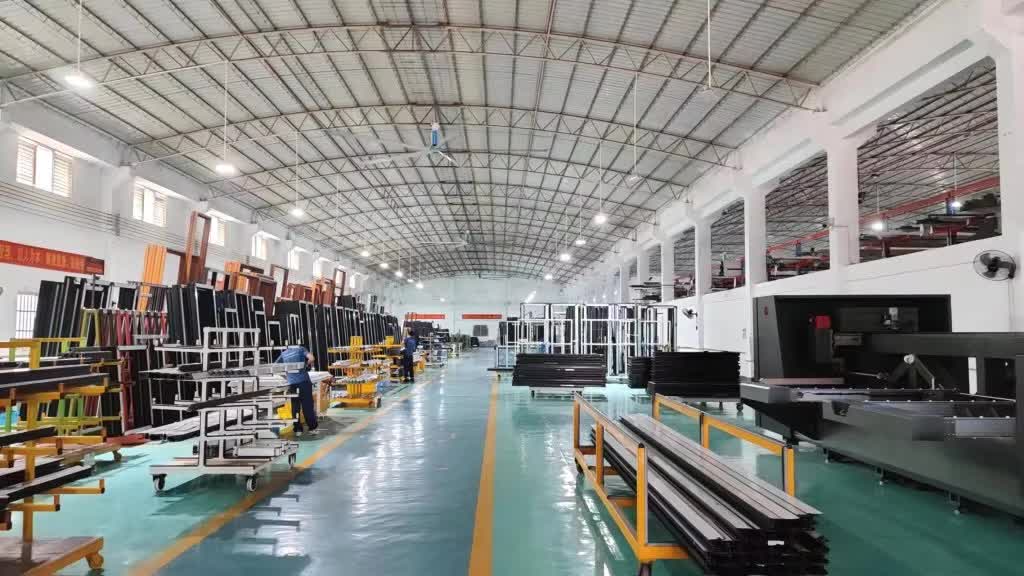
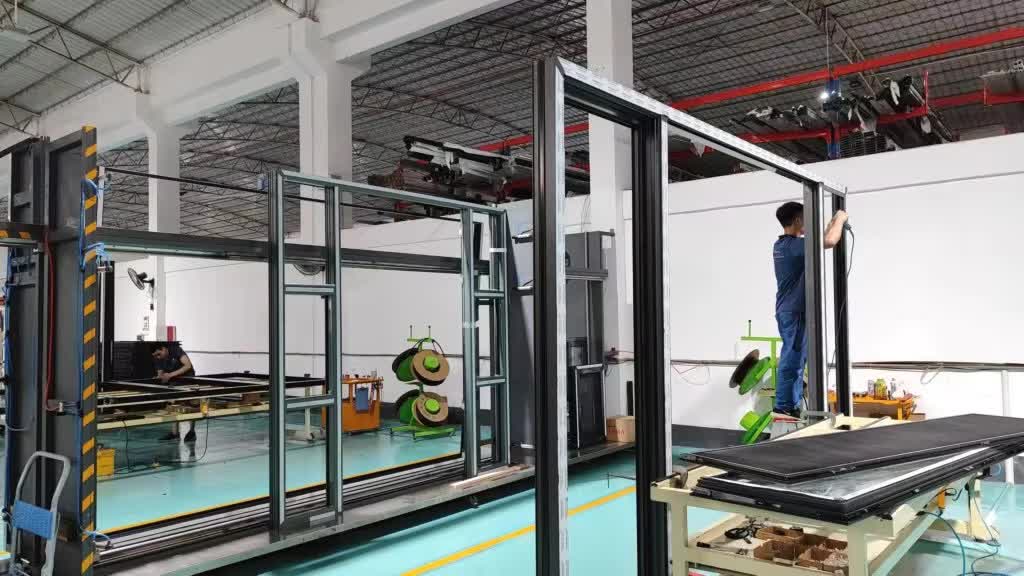
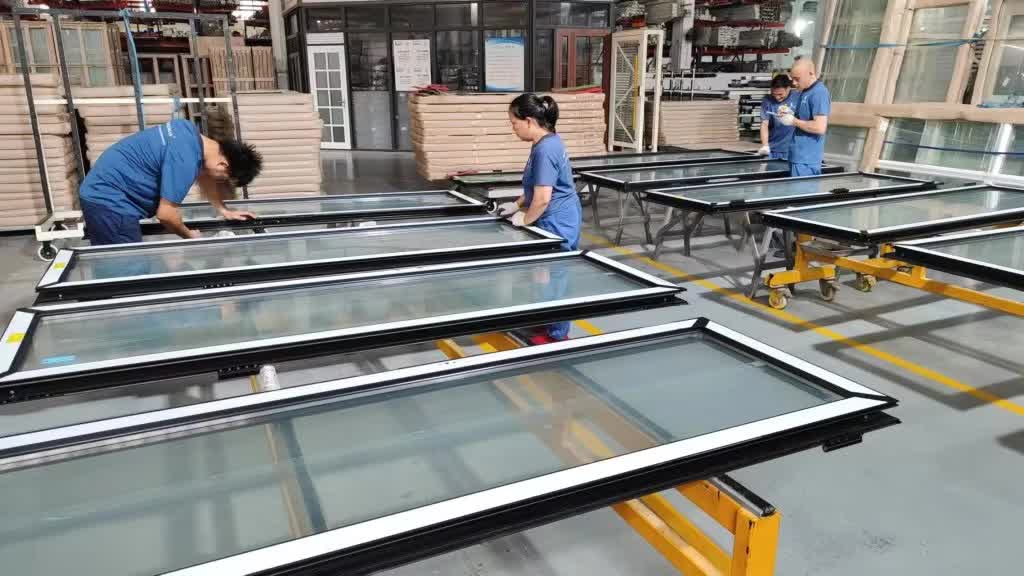
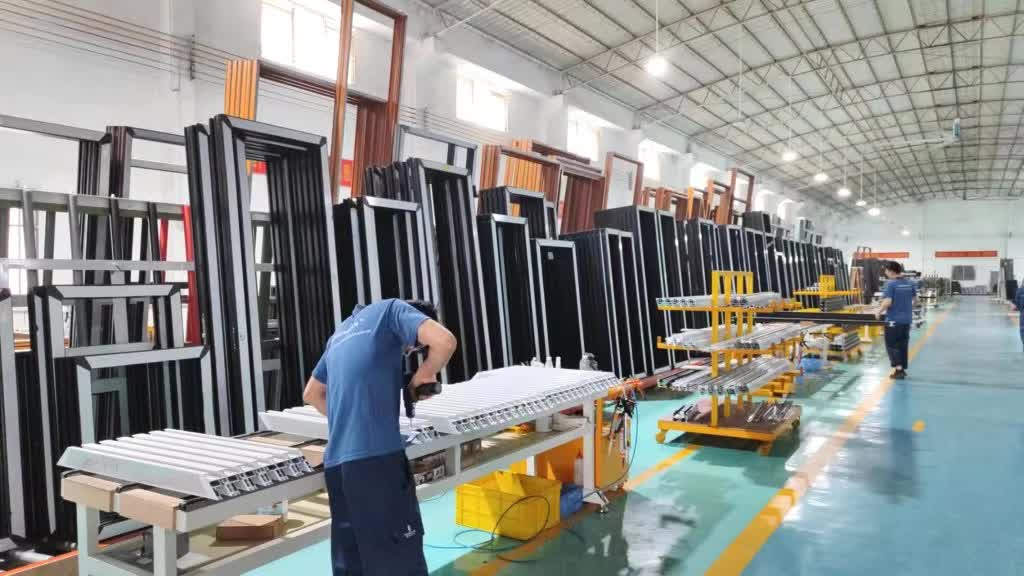
China Factory 4.0 vertical integration manages extrusion, surface anodization, glass tempering, blind integration, and mechanical testing in a centralized, highly traceable ecosystem.
Rigorously audited and certified systems to support custom regional parameters, fulfilling Australia AS2047 and NFRC ratings for high-efficiency commercial and residential structures.
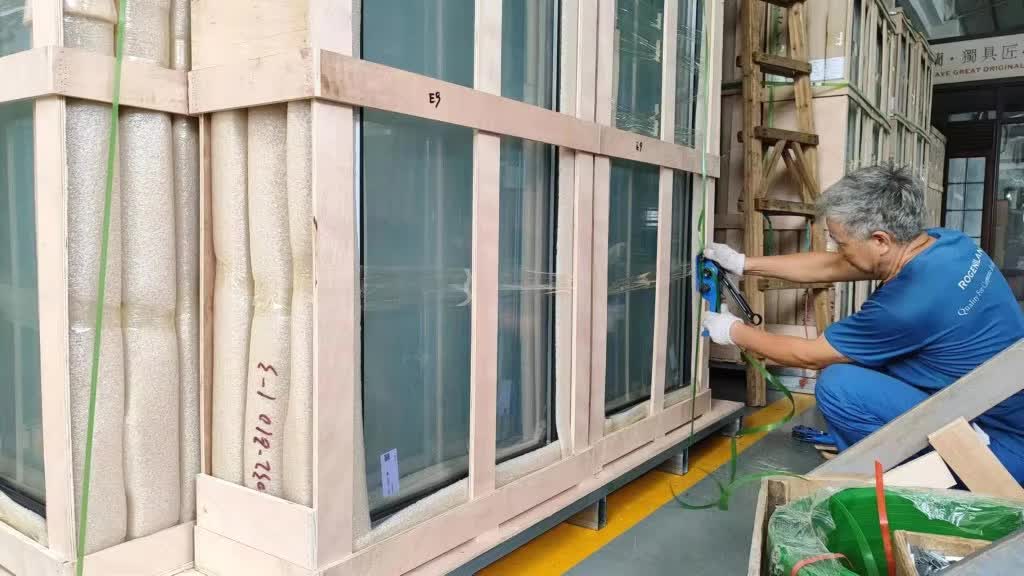
A significant challenge in global window and door procurement is ensuring that the final products delivered to the construction site match the architectural models and laboratory testing specimens. This is where Magella's localized Factory 4.0 supply chain provides a substantial advantage.
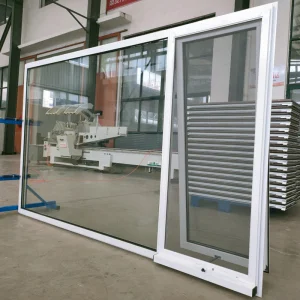
By employing computerized numerical control (CNC) machining centers, automated cutting, and robotic glazing assemblies, mechanical human error is minimized. This system-driven manufacturing path delivers tolerances within 0.5 mm, ensuring that sash alignments remain flush, double seals maintain airtightness, and structural joints resist degradation over decades of service.
To ensure complete reliability, every production run of our shutter-integrated windows and thermal break systems undergoes a standardized multi-step quality assurance process:
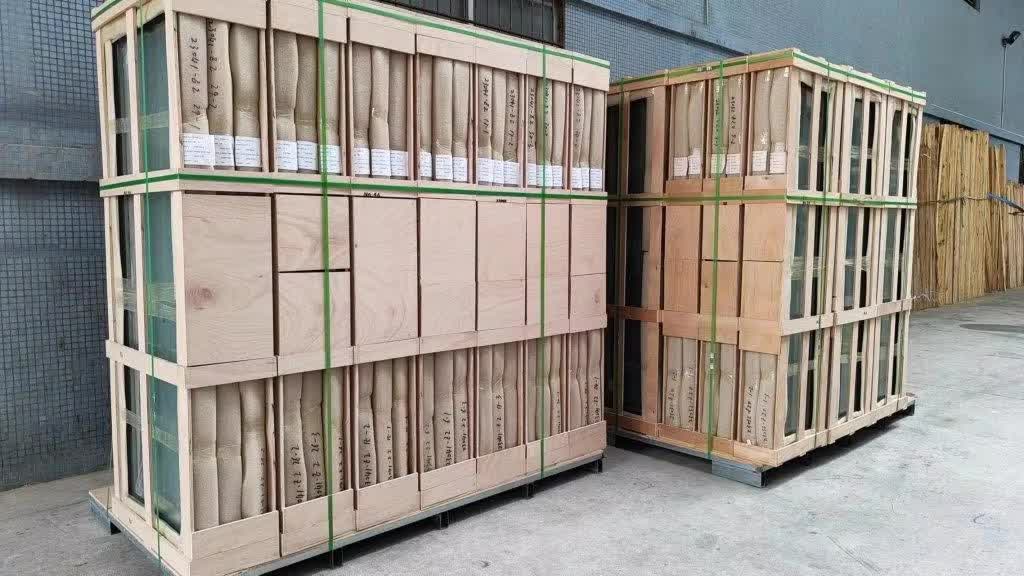
For project managers, real estate developers, and international trading firms, choosing an exporter is not merely about finding the lowest unit cost. The actual cost of ownership is determined by **on-time delivery, system adaptability, failure rates, and regulatory compliance**.
Understanding user search intent highlights that buyers prioritize direct access to technical data sheets, structural wind-load calculators, and acoustic dampening verification. Magella addresses this by providing customizable profiles, dual-color thermal breaks (matching distinct exterior facade and interior design styles), and a comprehensive range of hardware options.
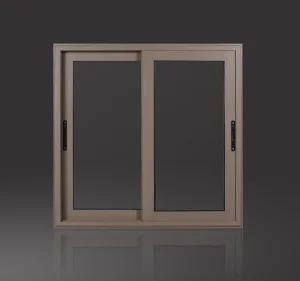
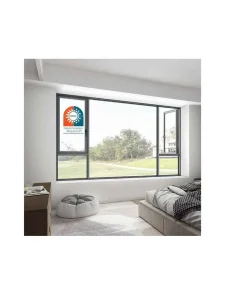
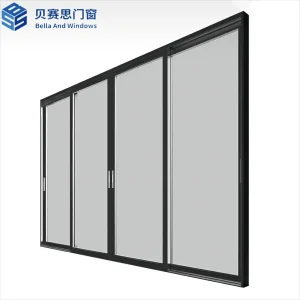
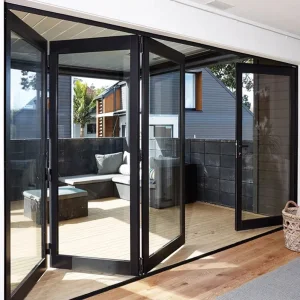
Whether your project requires double-glazed casement windows with internal shutters, modern slim-frame sliding kitchen partitions, or heavy-duty residential folding doors, our team balances aesthetic design with robust structural engineering.
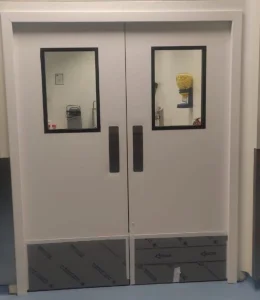
Discover our industrial-grade, airtight, and weather-proof door systems engineered for extreme durability, cleanroom sanitization, and high-traffic commercial zones.
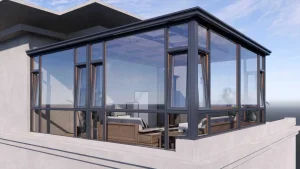
Building requirements vary significantly based on regional geography, local climates, and building codes. An effective fenestration layout must respond directly to these environmental factors. Below are key localized applications where Magella systems excel:
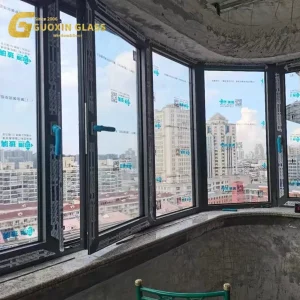
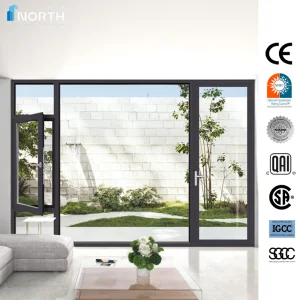
In major metropolitan areas, proximity to transport corridors introduces persistent acoustic pollution. Standard double-glazed windows often fail to block low-frequency rumble. By utilizing multi-chambered thermal break profiles filled with acoustic insulation and incorporating smart internal shutter/blind glass systems, our casement and tilt-and-turn windows achieve sound dampening ratings exceeding 42 dB. These internal blinds also eliminate the need for dust-collecting internal drapes, improving indoor air quality.
Coastal structures are subject to salt-laden air and high-velocity wind loads. Under these conditions, lower-grade aluminum alloys and standard powder coatings can degrade rapidly, leading to structural failures and cosmetic issues. Magella utilizes corrosion-resistant aluminum profiles treated with high-durability fluorocarbon (PVDF) or architectural-grade powder coatings. Combined with multi-point locking gear from premium suppliers like German SIEGENIA AUBI and ROTO, our systems maintain structural seals under severe positive and negative wind pressures.
Hospitals, microelectronics assembly plants, and pharmaceutical laboratories require controlled internal environments. These spaces demand airtight entry systems that prevent cross-contamination and dust entry. Our specialized Aluminum Frame Airtight Swing Doors are engineered with flush seals, cleanroom-compatible frames, and integrated automated control options. These features ensure seamless integration into sanitized interior walls while withstanding frequent washdowns and chemical cleaning agents.
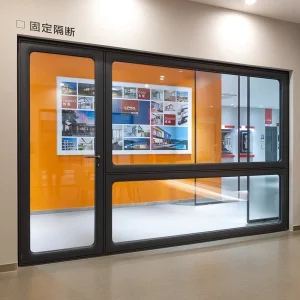
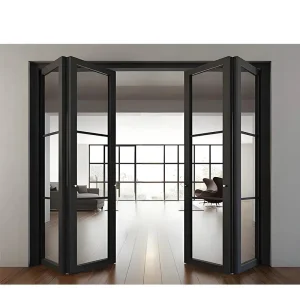
Commercial storefronts need to balance maximum visual exposure with structural security. Our Security Safety Simple Swing Aluminum Doors feature reinforced multi-chamber frames, premium anti-tamper locking mechanisms, and high-impact laminated safety glass. They provide high security without compromising clear retail display visibility.
"Whether managing extreme wind loads in coastal properties or maintaining sterile pressure differentials in hospital cleanrooms, window and door configurations must be optimized to the specific physical forces of their environment."
 Magella Door