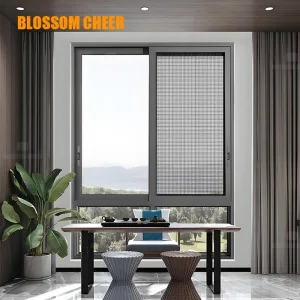
Optimized configurations featuring heavy-duty thermal broken profiles and impact glass systems for Equatorial Guinea's coastal requirements.
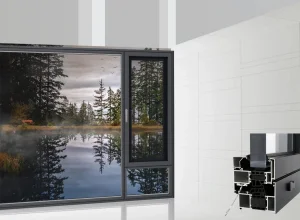
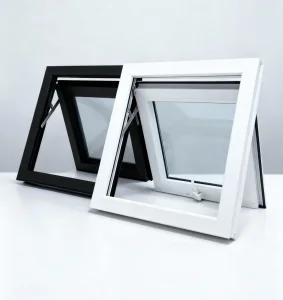
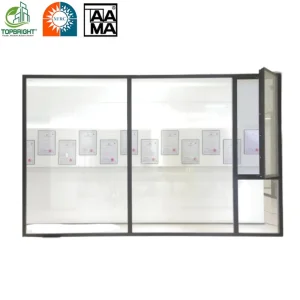
Equatorial Guinea, situated along the Gulf of Guinea, presents one of the most demanding environmental profiles for exterior building envelopes. The region’s tropical climate is characterized by exceptionally high relative humidity (consistently exceeding 80%), persistent marine air containing high levels of sodium chloride, intense solar irradiance, and seasonal monsoon systems that drive horizontal rain events. Standard building products frequently experience accelerated atmospheric corrosion, degradation of sealant materials, and premature failure of window frames.
For high-rise developments in Malabo and coastal expanses in Bata, traditional window designs lack the mechanical robustness to resist tropical storms and high wind pressures. Fixed picture aluminum windows, designed with structural glass configurations and specialized alloys, represent the baseline structural solution. By eliminating mechanical hinges, operating sashes, and complex internal joints, fixed windows offer complete impermeability against tropical rain while providing unobstructed panoramic visibility.
Importers, developers, and government contractors must source aluminum windows characterized by optimized thermal performance, high-grade PVDF coatings, and robust glass packages. This technical whitepaper analyzes structural engineering guidelines, testing paradigms, and custom logistics solutions required to deliver durable glazing products to Equatorial Guinea.
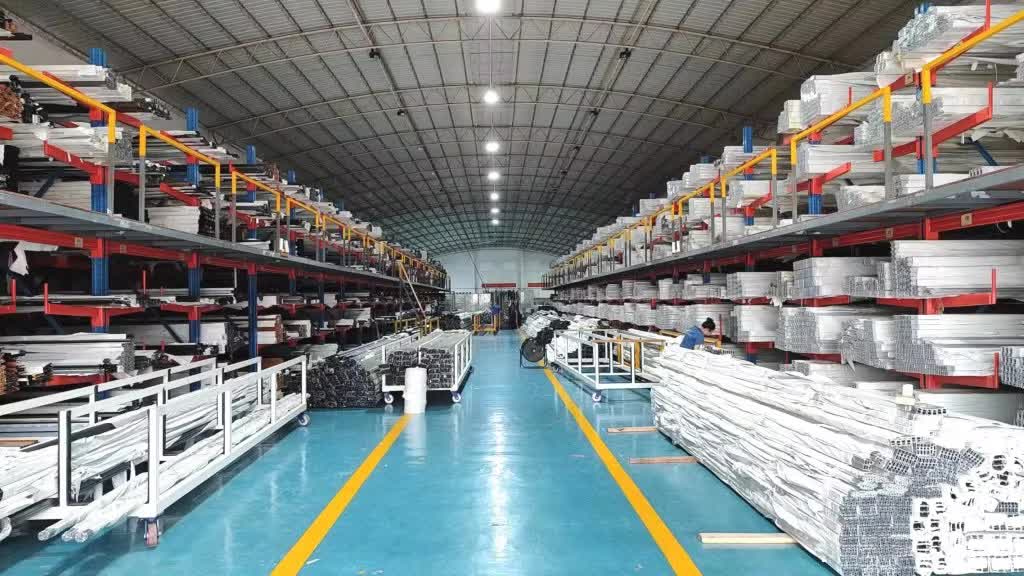
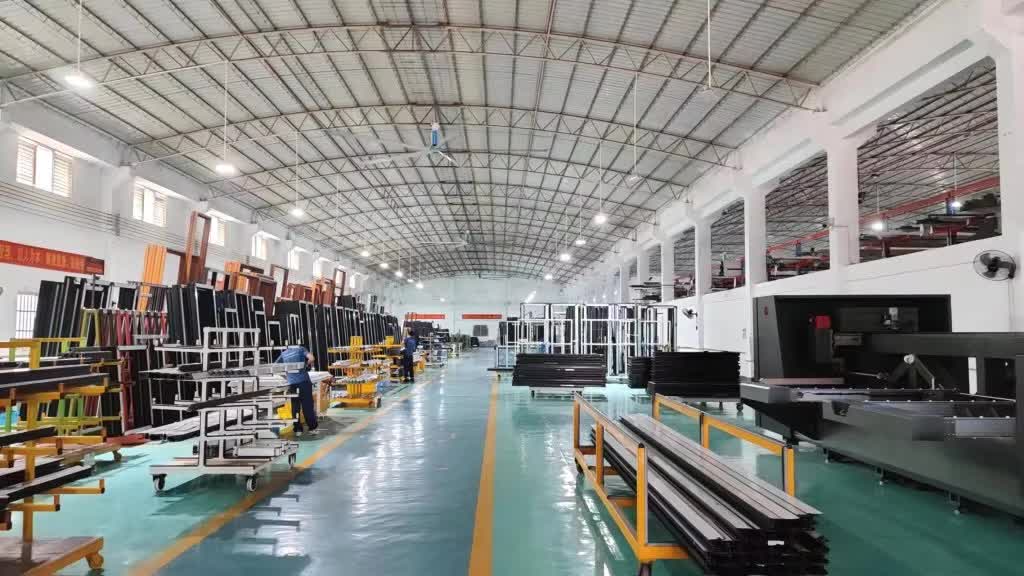
Since its founding, Magella has been committed to research and development, innovating aluminum windows, doors as well as related solutions, and services. We always adhere to the enterprise philosophy of “Hard working and Integrity, Innovation and Success”. Furthermore, after years of efforts, now we’ve had our own completed sales system from Research, development to production and marketing.
Magella keeps innovating by combining Chinese regular designs with advanced German system technology. We always try our best to find the most suitable customized solutions for different style buildings by cooperating closely with TOP BRANDS companies, such as: German HOPPE, SIEGENIA AUBI, ROTO, KINLONG, BOGO, and OAOSM.
Our Products can be divided into 3 major categories: Aluminum windows, doors, and Sunroom(Patio). Also can be subdivided into over 12 categories: Thermal break windows, bi-folding doors, narrow frame sliding doors, hanging sliding doors, heavy-duty sliding doors, casement doors, sliding windows, casement windows, thermal break sliding doors, lifting windows, sunrooms, blind(shutter) doors, etc. By configuring with double-glazing, all windows and doors can be installed with shutters or smart glass inside, providing excellent thermal control and protecting privacy.
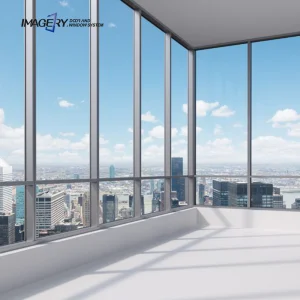
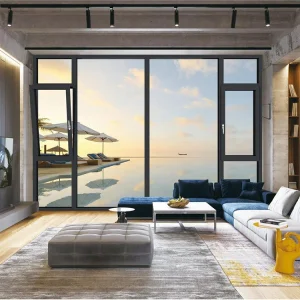
Engineered to support expansive glazing requirements in modern West African coastal projects.
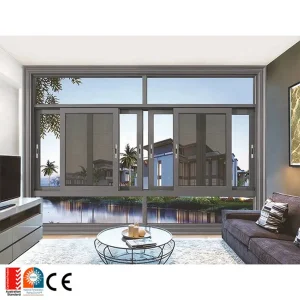
Standard parameters for fixed aluminum picture windows engineered for tropical regions.
| Performance Criterion | Structural Standard | Equatorial Guinea Compliance Value |
|---|---|---|
| Alloy Grade | ASTM B221 / EN 573-3 | 6063-T5 or 6063-T6 Architectural Grade Aluminum |
| Profile Thickness | GB/T 8478 | ≥ 2.0 mm for Commercial; ≥ 1.4 mm for Residential |
| Finish Coating | AAMA 2605 / Qualicoat Class 3 | PVDF Coating (≥ 25 microns) or Marine-Grade Powder Coat |
| Thermal Transmittance | ISO 10077-2 / NFRC | U-Value ≤ 1.8 W/(m²·K) (with Thermal Break) |
| Acoustic Insulation | ASTM E90 (STC Rating) | 35 dB to 45 dB depending on glass configuration |
| Wind Pressure Resistance | BS EN 12210 / ASTM E330 | Class C4 / P3 ≥ 4000 Pa (Hurricane Rated options available) |
| Water Tightness | EN 12208 / ASTM E331 | Class 9A / 700 Pa |
Standardized testing protocols to ensure mechanical stability during global transit and under tropical stressors.
Every batch of fixed aluminum windows destined for West Africa undergoes structural validation within our integrated laboratory facility. Structural profiles are subjected to dynamic air pressure differentials and simulated wind-driven rain to verify water barrier seal performance. Interlocking connections and glazing gaskets are assessed for UV degradation resistance using accelerated weatherometer exposure testing.
Our quality verification processes conform to ISO 9001 and CE marking guidelines. With components sourced from German specialists including ROTO, SIEGENIA, and HOPPE, the mechanical and structural integrity of the frame units remains verified under extreme marine exposure conditions.
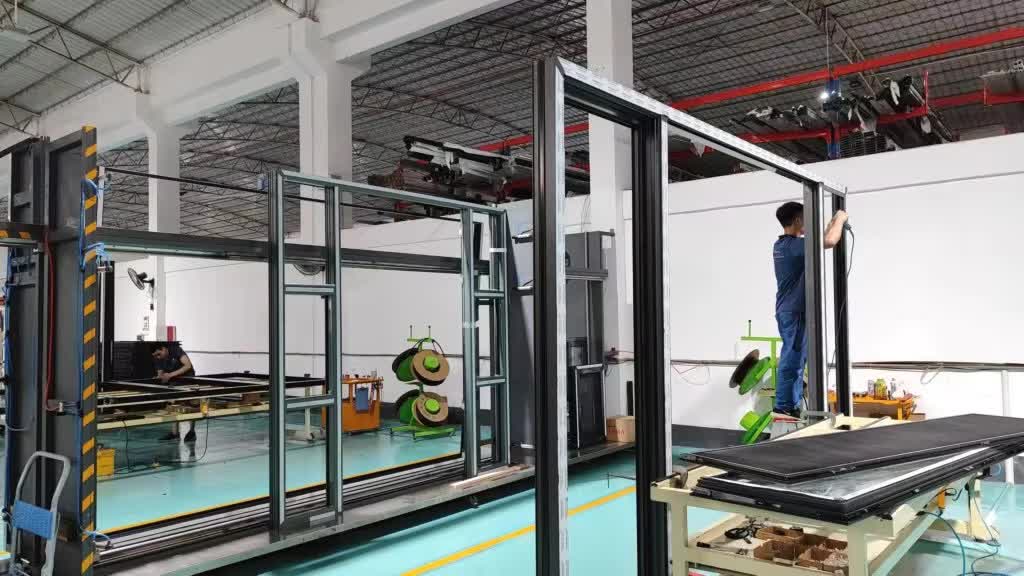
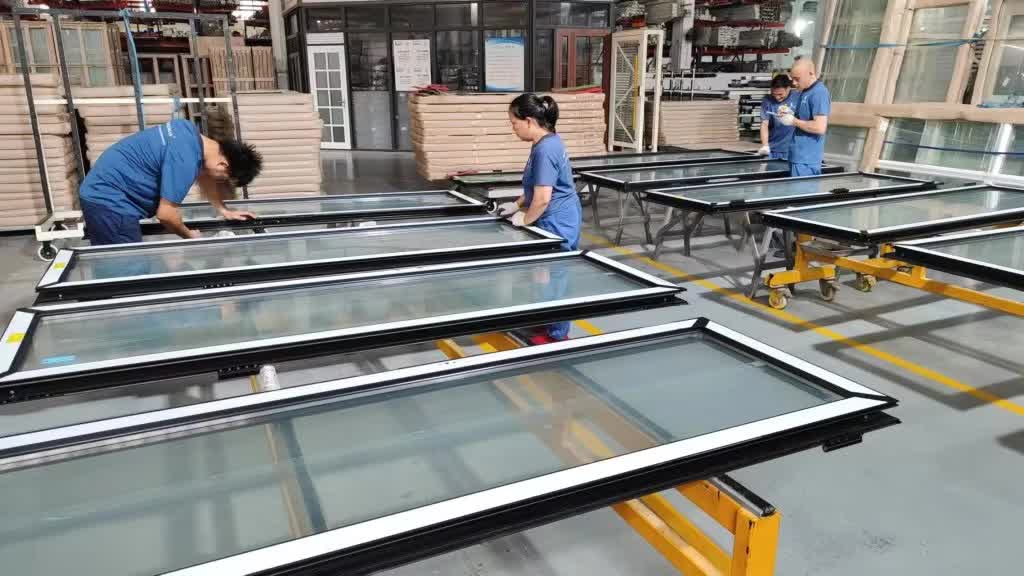
Before packaging, qualified quality control engineers verify dimensional clearances, seal consistency, and powder coating thickness using digital gauges. The structural connection points are inspected to verify load distribution and ensure no defects exist within the corner joints. This level of quality verification ensures that every cargo container arriving at the Port of Malabo or Bata meets strict quality standards.
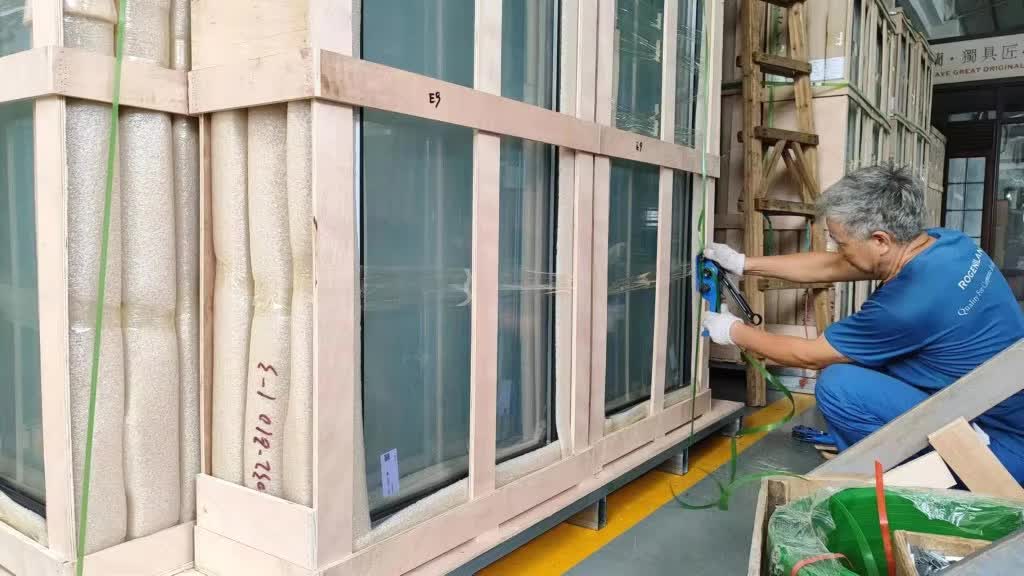
Long-distance maritime shipping to Central Africa requires heavy-duty packaging. Aluminum window frames are wrapped in low-density polyethylene protection films, cushioned with closed-cell expanded foam corner guards, and secured within structural plywood crates. We utilize desiccant packs inside the packaging to manage humidity during shipment through tropical shipping lanes, preventing surface oxidation and water staining.
To survive under intense tropical sun and saltwater spray, fixed framing must incorporate specific design measures:
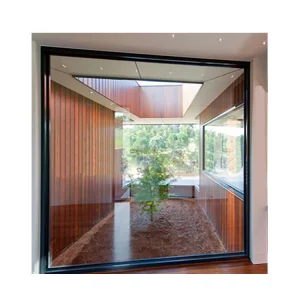
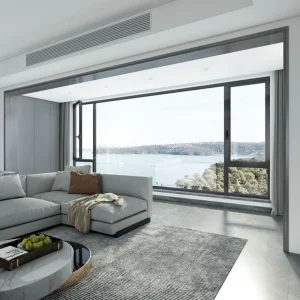
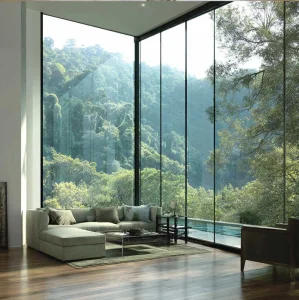
Standard and customized configurations engineered for high wind loads, marine air, and high-end residential estates.
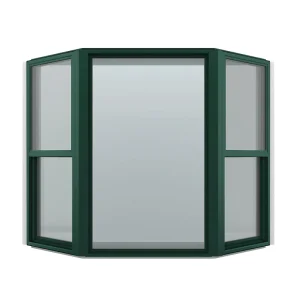
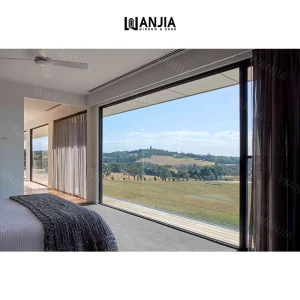
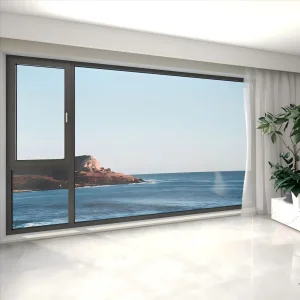
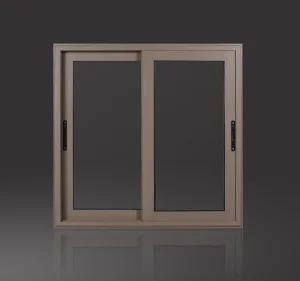
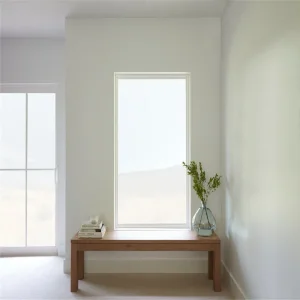
Ensuring structural integrity from production line to final installation in Equatorial Guinea.
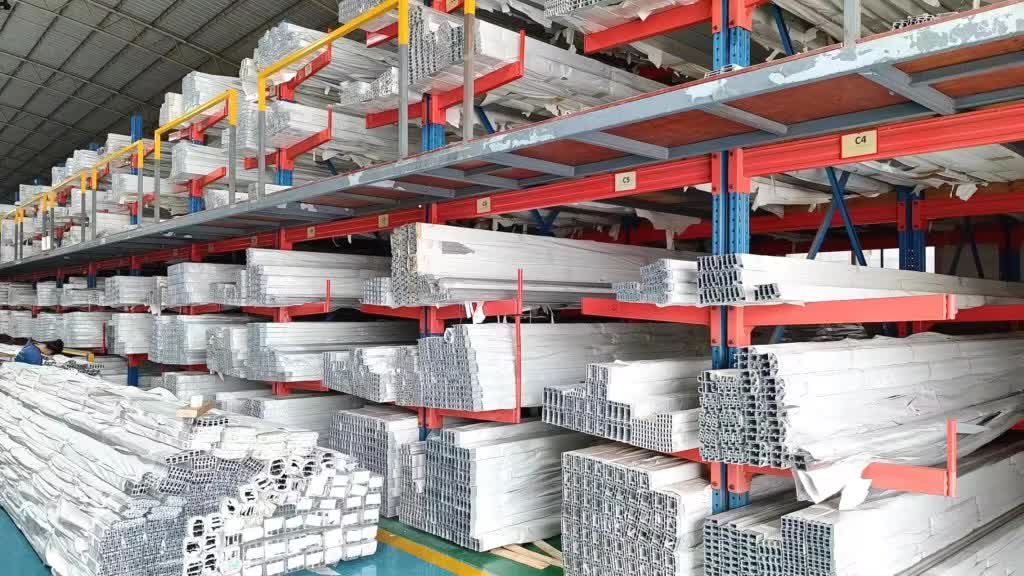
Mitred frame joints are secured with structural corner keys and cold-welded using epoxy sealants for maximum durability.
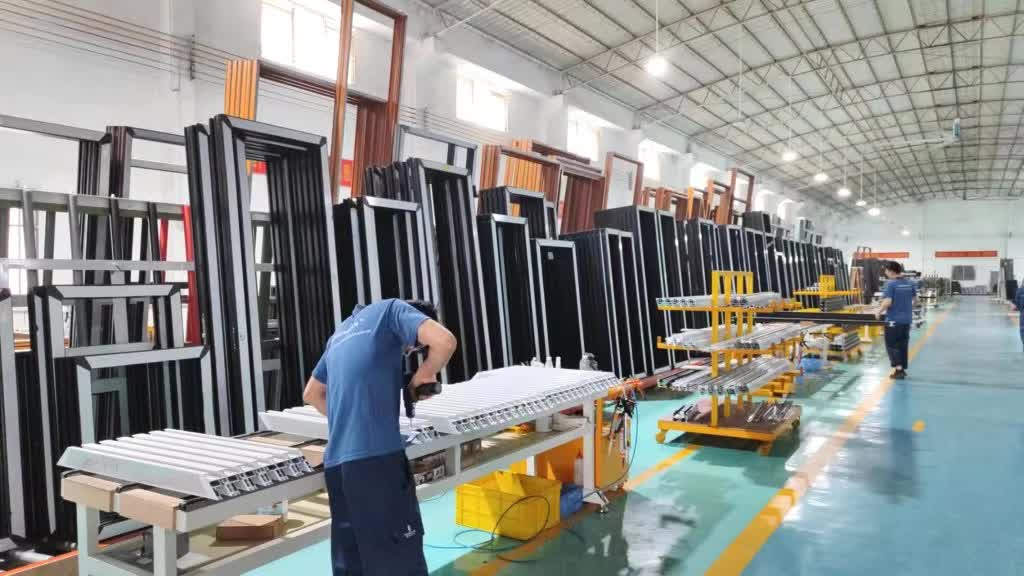
Double-glazed and insulated glass packages are installed within the frames under dust-free climate controls.
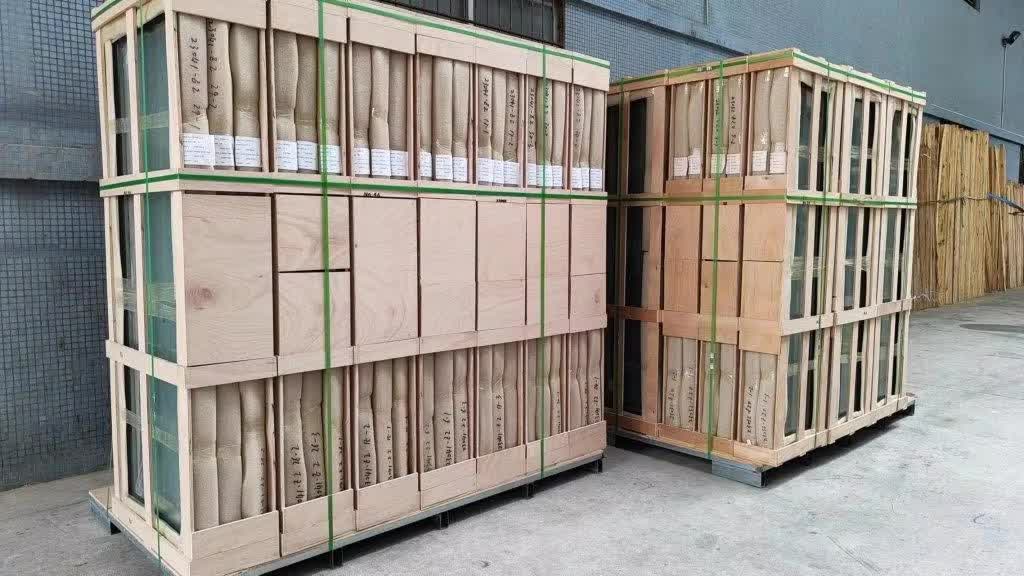
Finished fixed windows are secured in custom plywood crates to prevent movement during sea transport to Bata and Malabo.
Key information for structural engineers, commercial developers, and procurement managers in Equatorial Guinea.
Fixed picture windows lack moving joints, hinges, and perimeter opening sashes. In tropical coastal regions like Bata and Malabo, these components are highly vulnerable to marine-air corrosion, sand infiltration, and high-pressure rainwater leaks during seasonal storms. By eliminating operable sashes, fixed windows ensure complete weatherproofing, higher structural wind resistance (up to 4000 Pa or more), and lower maintenance requirements over their service life.
We recommend PVDF (polyvinylidene fluoride) coatings with a minimum thickness of 25 microns, conforming to AAMA 2605 specifications, or Class 3 Qualicoat marine-grade powder coatings. These specialized finishes resist ultraviolet degradation and chemical breakdown from sodium chloride in marine environments, preventing chalking, fading, and bubbling of the aluminum profile surface.
Our double-glazed units are manufactured with dual-seal technology. Primary sealing uses polyisobutylene (PIB) to block water vapor, and secondary sealing uses structural silicone to maintain physical frame integrity. The aluminum spacer bars are filled with molecular sieve desiccant to absorb internal moisture, preventing condensation between the glass panes during humid weather.
Standard manufacturing and custom packaging take 25 to 35 days from technical approval. Maritime shipping from our facilities to the Port of Malabo or Port of Bata takes approximately 35 to 45 days. We provide comprehensive documentation packages, including certified bills of lading, commercial invoices, packing lists, and certificates of origin to support customs clearance.
Connect with our structural engineering team to customize structural profiles, glass configurations, and finishes for projects in Equatorial Guinea.
Send Inquiry Now Magella Door