High-performance energy-saving door models optimized for the harsh continental climate of Moldova.
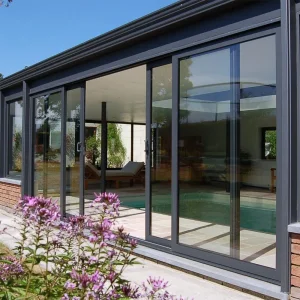
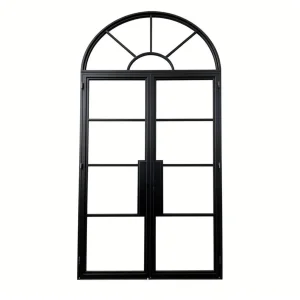
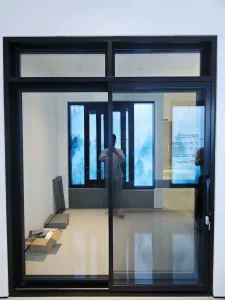
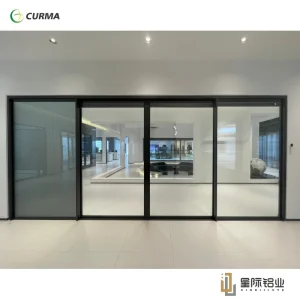
Why thermal break technology has shifted from a premium option to a regulatory necessity in eastern Europe.
Chisinau, situated within the temperate continental climate zone, experiences extreme seasonal temperature swings. Winter temperatures regularly plunge below -10°C (and can hit -20°C during cold fronts), while summers increasingly reach up to 35°C to 40°C. These thermal extremes place massive strain on building HVAC systems, leading to high utility bills and structural wear. Standard aluminum profiles, being excellent conductors of heat, are inadequate for modern edifices in Moldova as they create severe thermal bridging, interior frost accumulation, and condensation damage.
To combat this, the Moldovan construction sector has aligned itself with European Union energy efficiency standards (specifically the Energy Performance of Buildings Directive - EPBD). In Chisinau, modern commercial offices, high-density residential towers in sectors like Rîșcani and Botanica, and private suburban villas in Buiucani demand structural elements that guarantee low U-values. Our Thermal Break Aluminum Doors utilize high-grade polyamide insulating strips (specifically PA66 GF25 reinforced with fiberglass) to physically isolate the interior and exterior aluminum profiles, stopping the passage of thermal energy entirely.
Installing thermal break systems in commercial settings reduces overall HVAC electricity demand by up to 32% in winter and 25% in summer. For large-scale real estate projects in Chisinau, this directly translates to premium property valuation and rapid ROI.
Moldova's humid winters trigger heavy condensation on non-insulated aluminum frames, damaging interior finishes and encouraging mold growth. Our thermal break profile maintains interior frame temperatures above the dew point, ensuring a healthy indoor climate.
Under the hood of Magella's custom-engineered thermal barrier systems.
We exclusively utilize architectural grade 6063-T5 aluminum extrusions. This specific alloy provides superior tensile strength, allows for ultra-slim frame profiles with large glass payloads, and exhibits remarkable structural resistance to wind load pressures up to Class C5 (EN 12210).
Unlike standard single-cavity insulation strips, our profiles use custom multi-cavity polyamide 66 reinforced with 25% glass fiber (PA66 GF25). This configuration mimics double-pane glass properties, adding localized air barriers that impede thermal transfer pathing.
Airtightness is crucial for high wind regions like the Moldovan plains. We incorporate continuous Co-extruded EPDM weather-stripping gaskets. This system achieves Class 4 Air Permeability (EN 12207) and Class 9A Watertightness (EN 12208).
To assist building architects and technical auditors in Chisinau when submitting documentation for local building permits or green building certifications (such as BREEAM or LEED), the table below highlights the performance improvements achieved by switching from standard non-thermal aluminum to Magella’s premium thermal break products.
| Profile Variant | Avg. Frame U-Value (Uf) | Sound Isolation Class (STC) | Wind Load Resistance | Air Permeability Class |
|---|---|---|---|---|
| Standard Non-Thermal Aluminum | ≥ 5.8 W/m²K | 22 - 25 dB | Class C2 | Class 2 (Basic) |
| Basic Thermal Break (14.8mm strip) | 2.4 - 2.8 W/m²K | 30 - 32 dB | Class C3 | Class 3 (Moderate) |
| Magella Premium Thermal Break (24mm+ strip) | 1.2 - 1.6 W/m²K | 38 - 45 dB | Class C5 (High-Rise Ready) | Class 4 (Extreme) |
Since its founding, Magella has been committed to research and development, innovating aluminum windows, doors as well as related solutions, and services. We always adhere to the enterprise philosophy of "Hard working and Integrity, Innovation and Success". Furthermore, after years of continuous efforts, now we’ve had our own completed sales system from Research, development to production and marketing.
Magella keeps innovating by combining with Chinese regular designs and German advanced systems. We always try our best to find the most suitable customized solutions for different style buildings by cooperating closely with TOP BRANDS companies, such as: German HOPPE, SIEGENIA AUBI, ROTO, KINLONG, BOGO, and OAOSM.
Our Products can be divided into 3 major categories: Aluminum windows, doors, and Sunrooms (Patio). Also can be subdivided into over 12 categories: Thermal break windows, bi-folding doors, narrow frame sliding doors, hanging sliding doors, heavy-duty sliding doors, casement doors, sliding windows, casement windows, thermal break sliding doors, lifting windows, sunroom, blind (shutter) door, etc. By configuring with double-glazing or triple-glazing, all windows and doors can be installed with shutter or smart glass inside, excellent in protecting privacy and dynamically managing solar heat gain (SHGC).
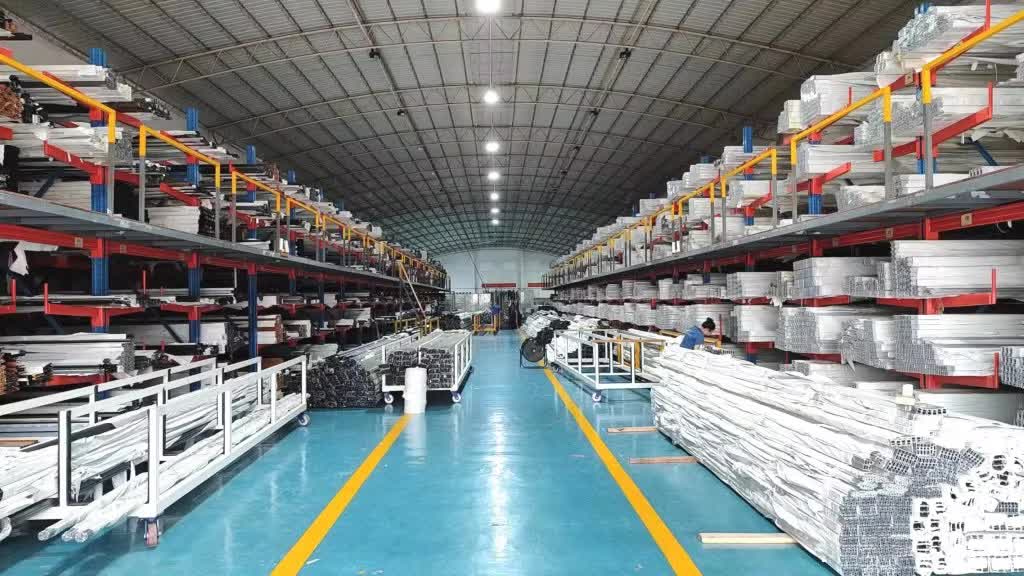
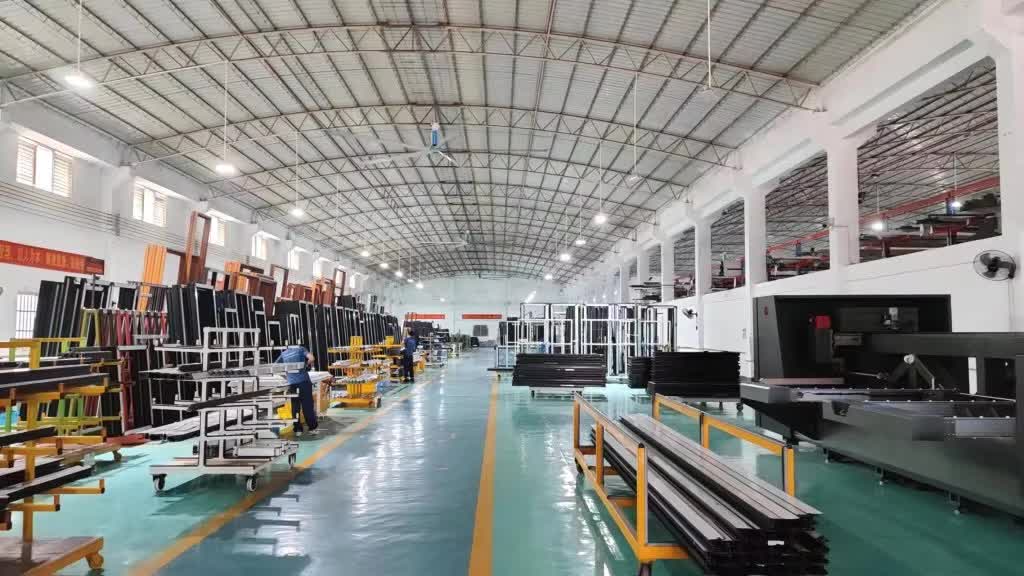
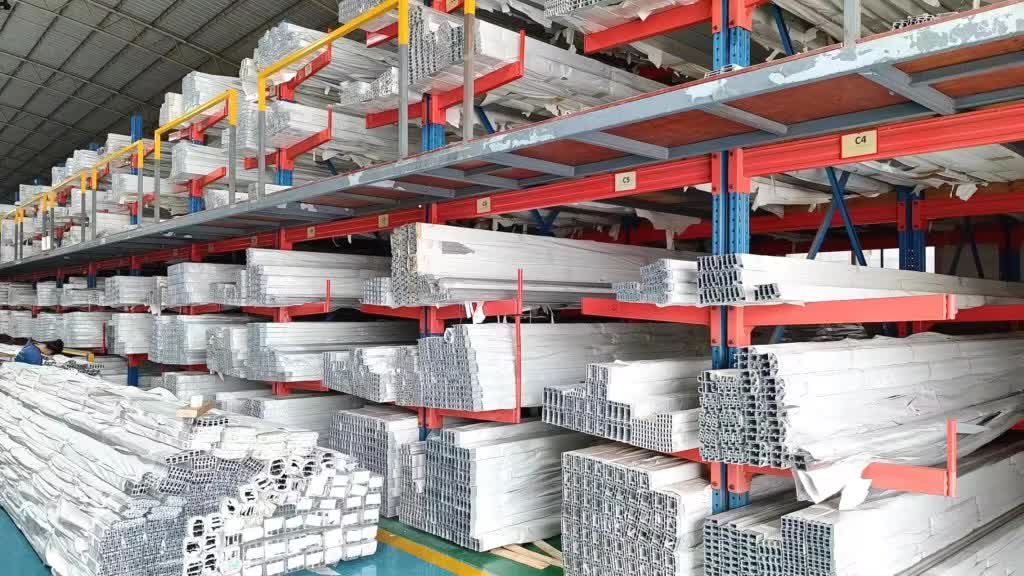
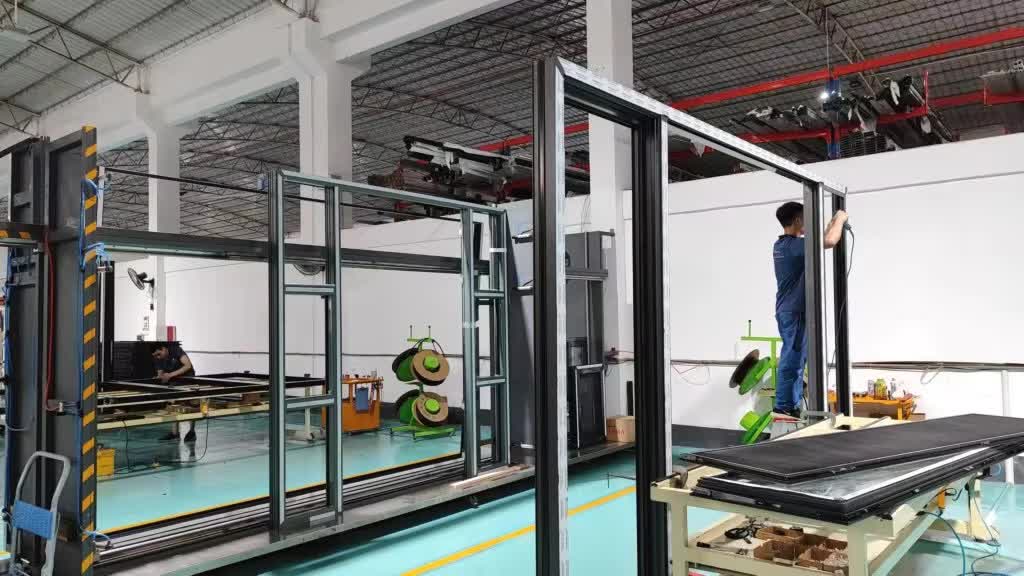
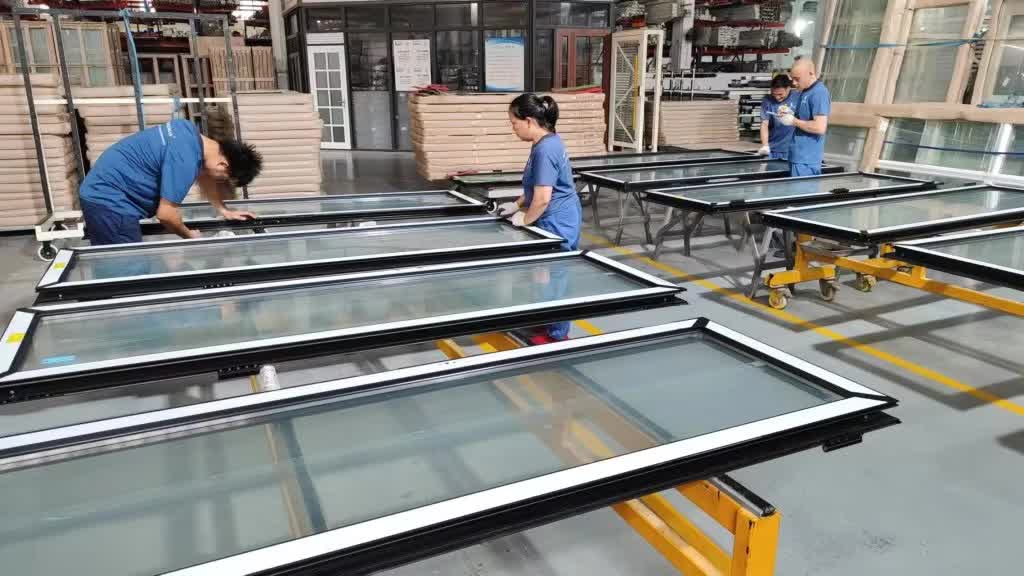
The global architectural landscape is steering heavily toward carbon neutrality. Governments across Europe, including non-EU member states in Eastern Europe, are imposing stricter U-value thresholds. Historically, PVC (Vinyl) and timber were favored for residential projects due to native thermal properties. However, PVC suffers from thermal expansion/warping in intense heat, and wood requires demanding preservation cycles. Modern architectural aesthetics call for massive, floor-to-ceiling glass facades, something wood and PVC cannot support structurally without bulky, light-blocking frames.
This is where thermal break aluminum doors excel. They provide the strength of steel, allowing minimalist frame widths (slimline systems), while matching or exceeding the insulation performance of vinyl. In Chisinau's commercial architecture, sleek curtain walls combined with automatic lift-and-slide glass doors are the new standard. Developers are designing structures with large glass surfaces that let in abundant natural daylight while preventing winter drafts and greenhouse-like summer heating.
Exporting building systems internationally requires precise logistics, strict regulatory compliance, and local engineering alignment. When partnering with Magella for your projects in Chisinau, we guarantee a streamlined, end-to-end delivery framework:
Our doors conform to European standards (EN 14351-1), which are recognized by the Moldovan standardization body (Institutul Național de Standardizare). We supply complete test reports, CAD shop drawings, and structural calculations to expedite approvals during technical inspections.
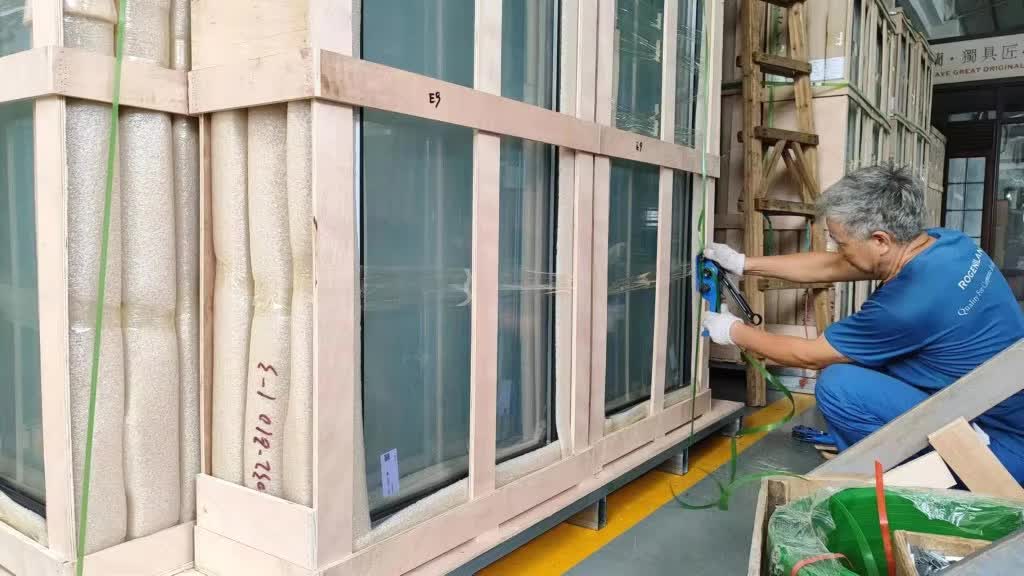
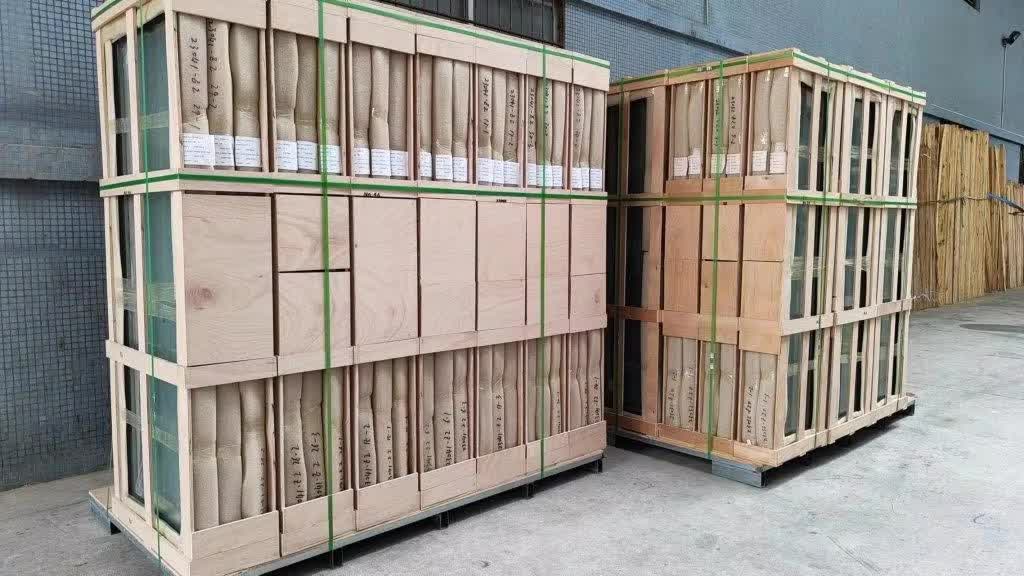
From our high-capacity Chinese manufacturing base, cargo is securely packed in reinforced plywood crates (preventing flex and glass breakage) and shipped via major shipping lines to the regional hub at Constanta Port (Romania), or directly via rail links. From Constanta, regional transport delivers the doors straight to your construction site in Chisinau. We handle all export customs clearances, providing detailed HS Codes (typically 76101000 for aluminum doors/windows) to facilitate smooth customs processing in Moldova.
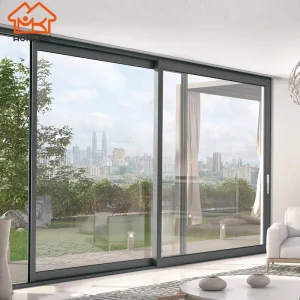
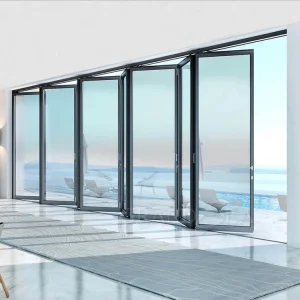
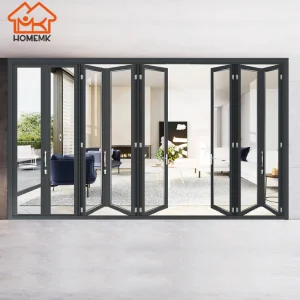
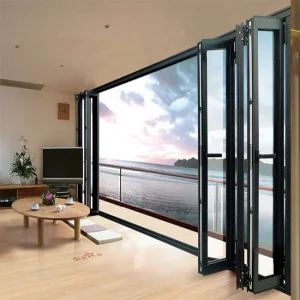
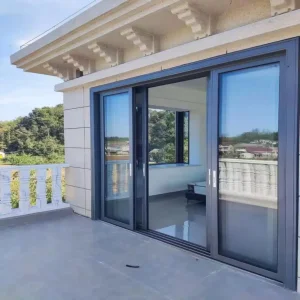
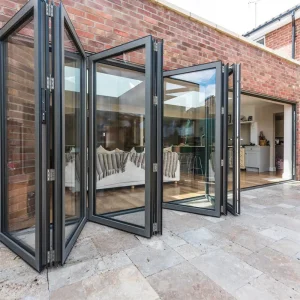
Select from our extensive product range featuring advanced thermal isolation, sound mitigation, and integrated hardware.
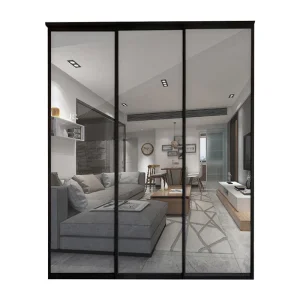

Essential project knowledge for developers, architects, and procurement managers in Chisinau.
Connect with our engineering team for customized estimates, CAD optimization, and wholesale export pricing packages.
 Magella Door