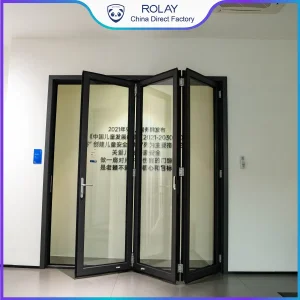
Explore our highly engineered double-glazed, thermally insulated solutions customized for residential and commercial architectural structures.
Condensation on structural windows is more than an aesthetic nuisance—it is a critical architectural challenge that directly impacts structural integrity, indoor air quality, and overall thermal efficiency. In cold or highly humid environments, when the temperature of the interior glass surface falls below the dew point of the indoor air, atmospheric moisture phase-changes into liquid water.
Over time, persistent condensation leads to mold cultivation, frame deterioration, and the failure of adjacent interior drywalls. Preventing this requires an integrated physical approach focusing on three primary parameters: reducing structural thermal bridging, implementing low-emissivity (Low-E) coatings, and incorporating advanced warm-edge spacer designs.
As a leading Chinese manufacturer, Magella utilizes advanced German and Chinese collaborative structural engineering to increase the Condensation Resistance Factor (CRF) of our systems, ensuring performance in extreme temperature gradients.
The Condensation Resistance Factor measures a window’s ability to resist condensation on its interior surfaces. Ranging from 1 to 100, a higher number signifies superior resistance to dew formation. Our thermally broken aluminum windows consistently achieve ratings exceeding 65.
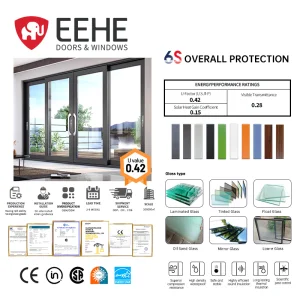
Our insulated glass units (IGUs) boast a low thermal transmittance (U-value). By keeping the glass surface warm, the potential for surface condensation is minimized, even when external temperatures plunge below sub-zero levels.
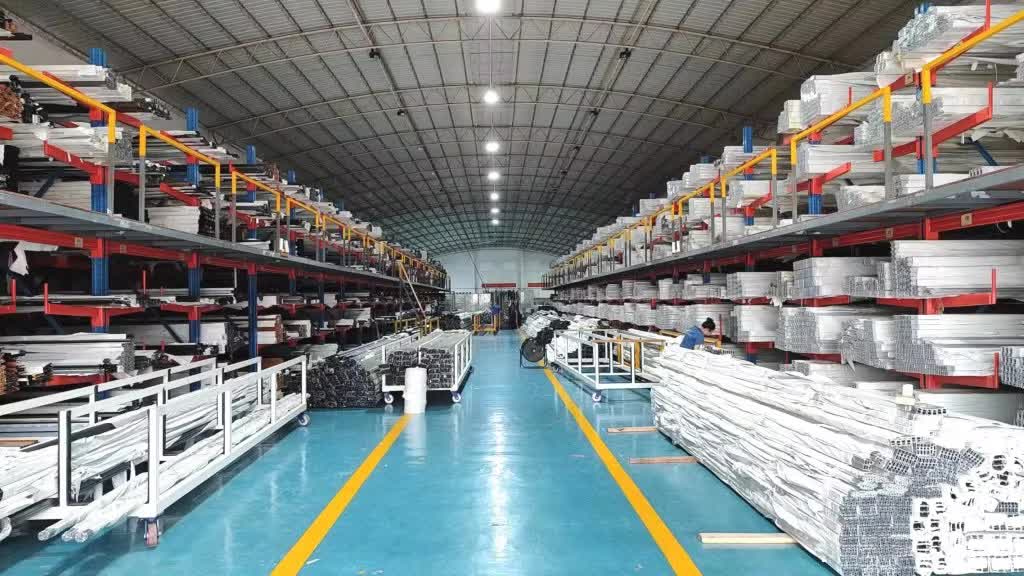
Since its founding, Magella has been committed to research and development, innovating aluminum windows, doors, and related thermal-barrier solutions and services. We always adhere to the enterprise philosophy of "Hard working and Integrity, Innovation and Success". Furthermore, after years of dedicated effort, we have established a complete, fully integrated in-house sales and support system covering research, development, precision production, global marketing, and localized project support.
Magella constantly innovates by combining regional Chinese structural adaptability with advanced German engineering systems. We cooperate closely with premier international component suppliers to provide the most suitable customized solutions for diverse architectural styles, partnering with industry-leading brands such as:
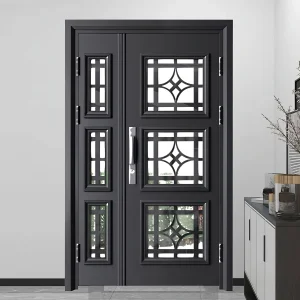
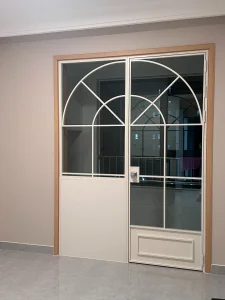
Our solutions span residential estates, commercial office spaces, luxury hotels, and civic infrastructure.
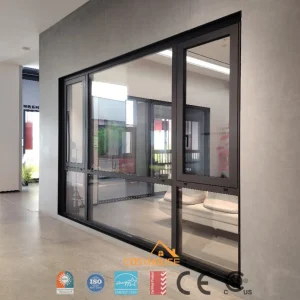
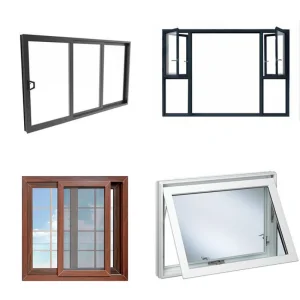
Utilizing high-strength polyamide thermal struts (PA66GF25) to isolate thermal conductivity through the aluminum profile. Available in tilt-and-turn, casement, awning, and hung configurations.
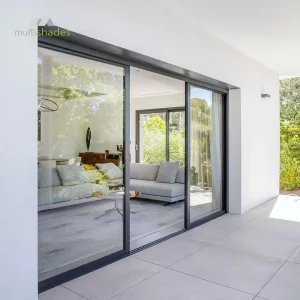
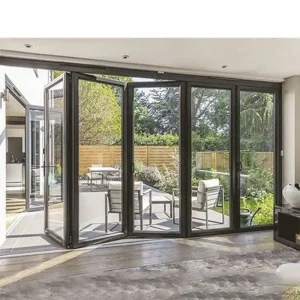
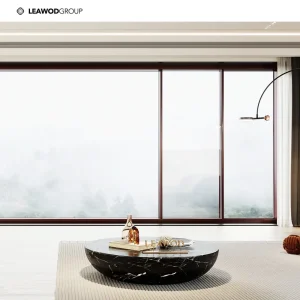
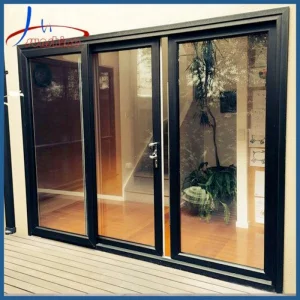
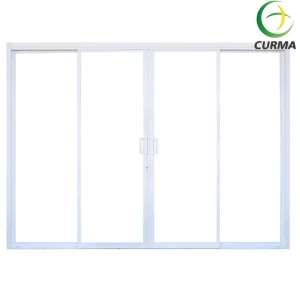
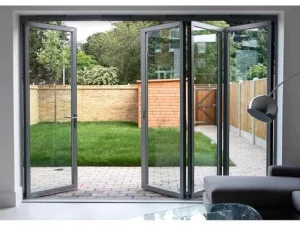
Minimalist slimline profiles combined with multi-point locking hardware. Provides large expansive glass sections for panoramic views without compromising dynamic thermal sealing against moisture ingress.
Our patio systems and sunrooms feature double-glazing configured with integrated motor-controlled louvers, internal blinds, or electrochromic smart glass to safeguard privacy and manage solar heat gain.
How does Magella achieve its elite performance metrics? We tackle the condensation vulnerability by focusing on structural thermal weak spots:
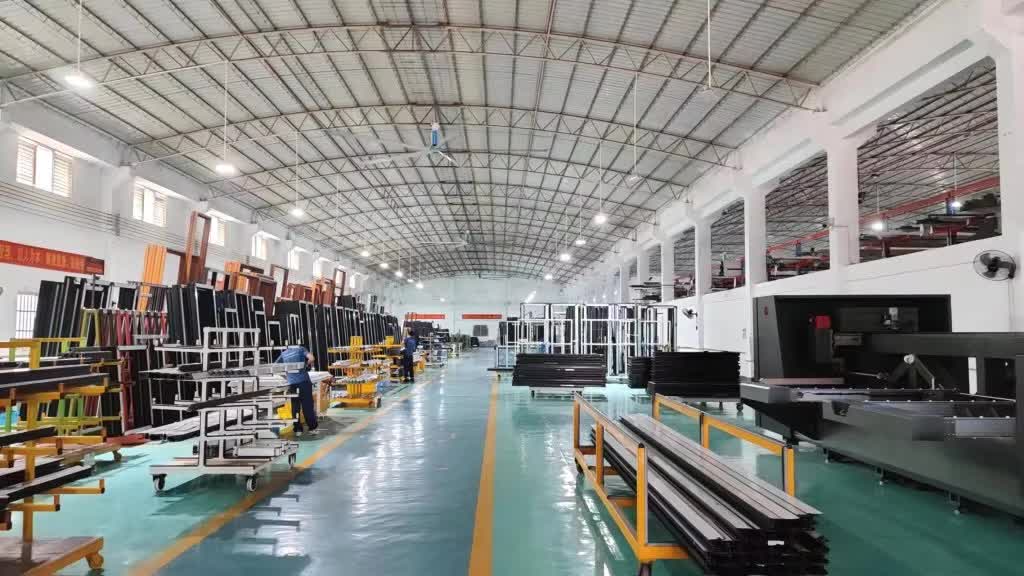
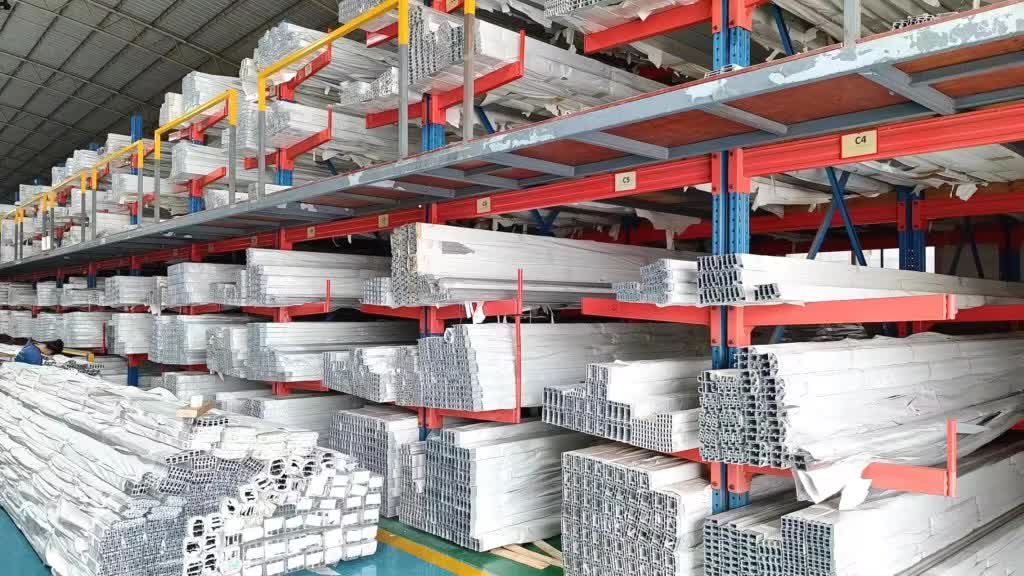
Traditional non-insulated aluminum windows act as direct thermal pathways, allowing external temperatures to easily cool the interior frame. Magella utilizes multi-cavity polyamide structural struts (reinforced with 25% fiberglass) to separate the interior and exterior aluminum profiles. This creates a highly resistant thermal barrier that significantly reduces heat transfer and maintains frame temperatures well above the indoor dew point.
Standard metal spacers conduct heat rapidly, resulting in colder glass edges and perimeter condensation. We utilize warm-edge spacers constructed from insulating composite plastics and structural foams. This maintains uniform temperatures across the entire surface of the glass pane, preventing cold perimeter borders.
Our Insulated Glass Units (IGUs) feature advanced double and triple glazing with microscopic, spectrally selective Low-E coatings. These metallic layers reflect ambient heat back into the building. Additionally, we fill the hermetically sealed pane spaces with high-density Argon gas to reduce internal convection currents and minimize conduction losses.
Water and air infiltration can compromise thermal insulation. We employ multi-point continuous compression gaskets made of synthetic EPDM rubber. This configuration ensures an airtight seal, maintaining dry frame cavities and preventing external moisture penetration.
Exporting fenestration products requires strict adherence to international building codes, energy conservation metrics, and structural safety standards. Magella supports distributors, developers, and architects across key global regions by ensuring all custom exports meet local performance requirements:
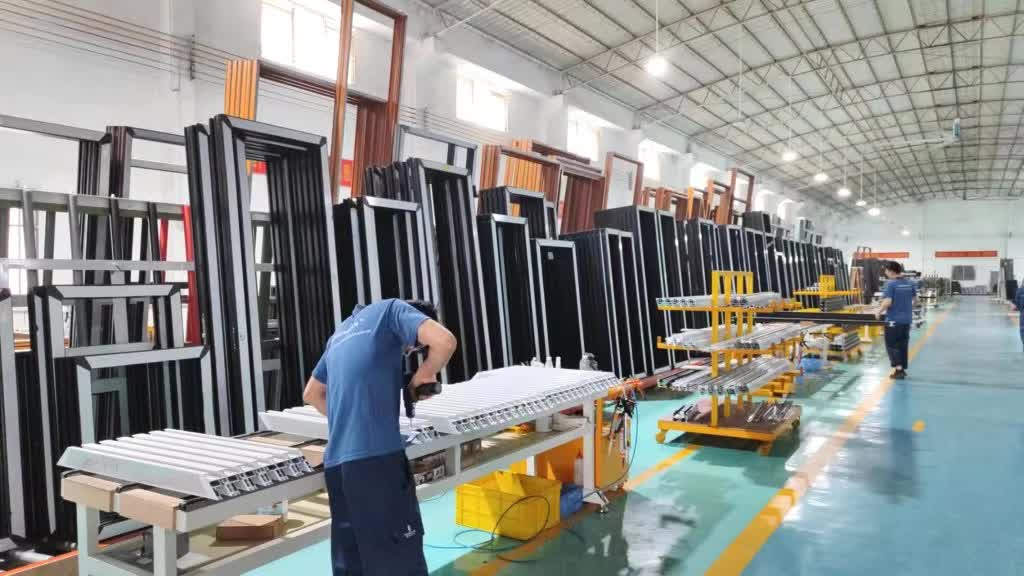
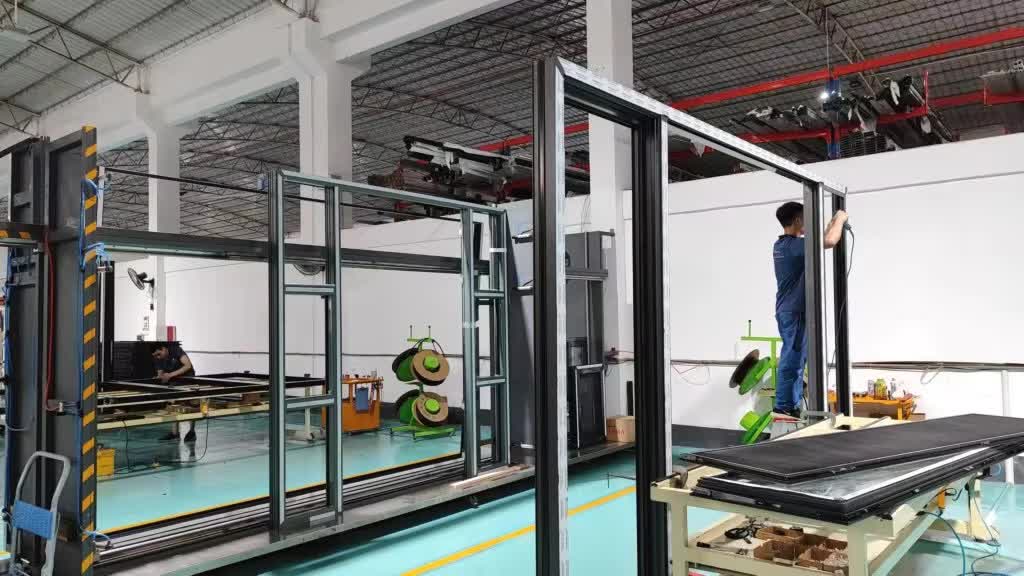
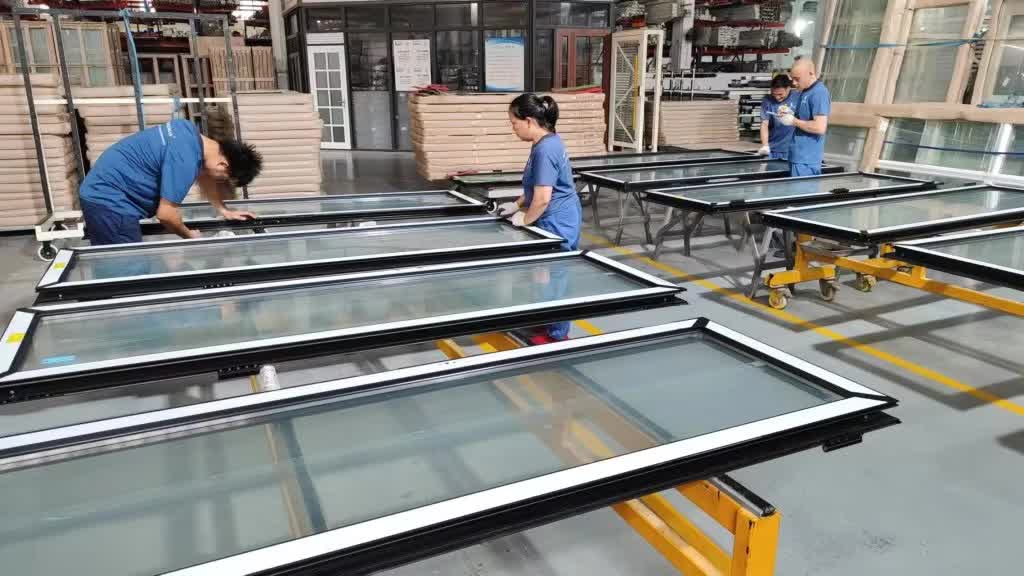
Our complete design, engineering, and manufacturing ecosystem ensures that architectural specifications are translated into production metrics with verified tolerances.
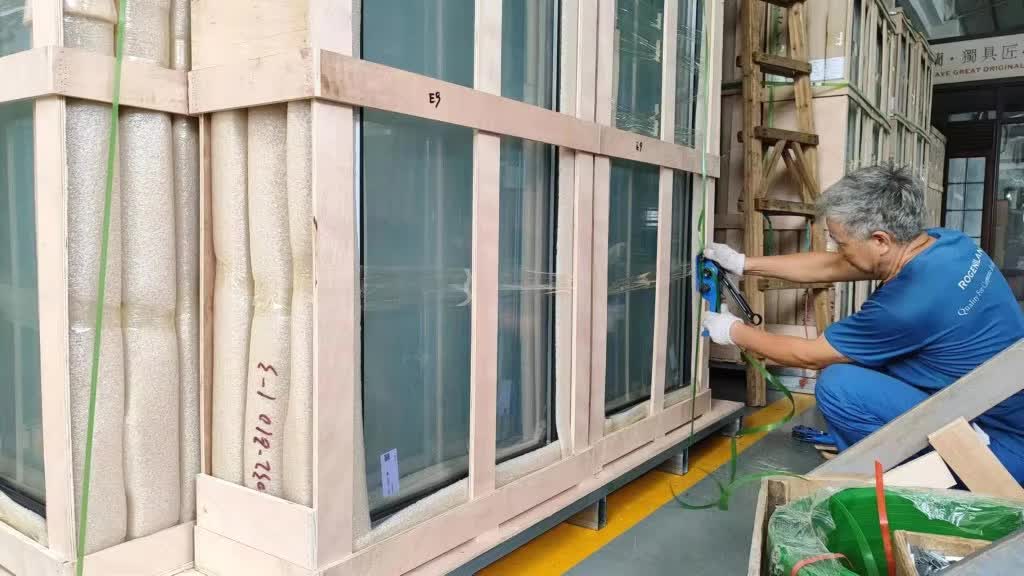
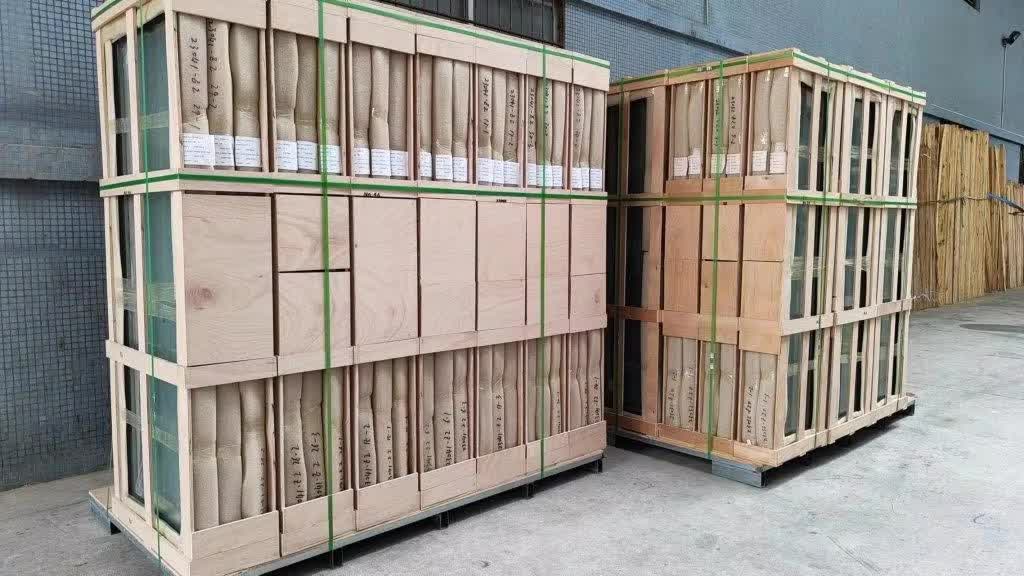
Every window assembly undergoes verification, from initial profile extrusion to double-glazed testing and final structural packaging.
Expert answers to common engineering, ordering, and installation questions regarding thermal window assemblies.
Select from our range of structural systems, optimized for energy efficiency and moisture control.
Optimize your project's thermal performance and eliminate condensation issues. Get in touch with our engineering team for customized calculations, structural estimates, and factory-direct pricing.
Request Commercial Quote & Samples Magella Door