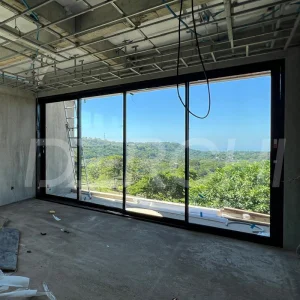
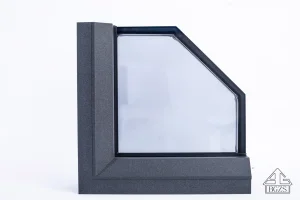
Aligning structural windows with global carbon-neutrality initiatives and modern energy-efficiency codes.
As regulatory frameworks like the European Green Deal, ASHRAE 90.1, and LEED v4.1 shift building performance standards toward Net-Zero carbon thresholds, the building envelope has become the focal point of architectural energy efficiency. Glazing assemblies have traditionally accounted for up to 30% to 40% of building thermal losses or gains. Consequently, the commercial and industrial demand for high-performance, eco-friendly windows has intensified globally.
Modern real estate assets must now minimize thermal transmittance (U-value) while optimizing solar heat gain coefficients (SHGC). Meeting these rigorous metrics requires a departure from traditional monolithic profiles toward thermally broken aluminum structures, multi-chamber UPVC configurations, and low-emissivity (Low-E) double or triple glazing. Developers and architectural engineers look for scalable OEM suppliers who can deliver bespoke profiles matching exact structural load limits and local insulation specifications.
Where Chinese manufacturing efficiency converges with German systemic engineering standards.
Founded on a commitment to continuous research and development, Magella bridges Chinese architectural designs with German advanced window and door engineering. We emphasize integrity, manufacturing precision, and customized solutions.
We work with leading architectural hardware manufacturers to ensure durability, including German HOPPE, SIEGENIA AUBI, ROTO, KINLONG, BOGO, and OAOSM. This provides smooth operations over thousands of cycles.
Magella runs an integrated sales, research, product design, testing, extrusion, and assembly workflow. This vertical control ensures consistent mechanical tolerances and delivery schedules for large-scale real estate projects.
High-performance structures designed for custom specifications, from thermal break windows to heavy-duty patio doors.
Our solutions span three major umbrella domains: Aluminum Windows, Custom Doors, and Premium Sunrooms (Patio Systems). These are segmented into over 12 specialized sub-categories tailored to distinct acoustic, load-bearing, and climatic requirements:
| Glazing Subcategory | Structural Profile Focus | Primary Commercial Benefit |
|---|---|---|
| Thermal Break Windows & Doors | Polyamide isolation chambers, multi-cavity structure | U-value below 1.4 W/m²K, structural thermal isolator |
| Bi-Folding Doors | Heavy-duty guide rails, German SIEGENIA rollers | High-span patio design, space conservation |
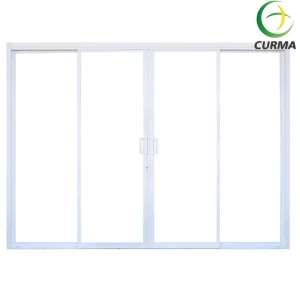
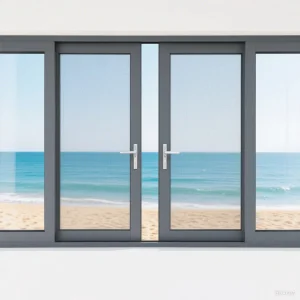
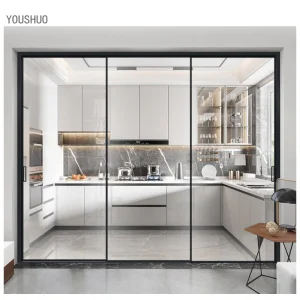
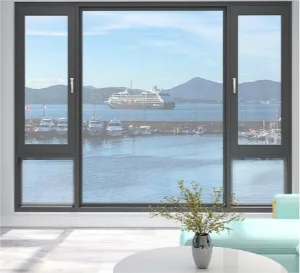
| Narrow Frame Sliding Doors | Minimalist structural sightlines, high wind-load ratings | Maximizes daylight penetration, high modern aesthetic value |
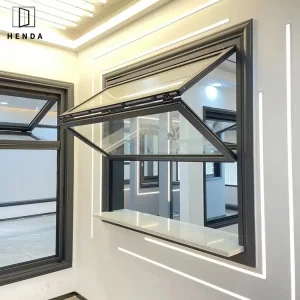
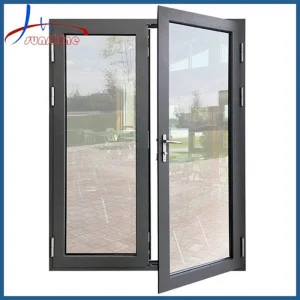
| Casement & Awning Windows | Triple-EPDM continuous perimeter compression seals | High acoustic insulation, airtightness, storm resilience |
| Built-in Blinds & Smart Glass Integration | Integrated electrochromic or motorized Venetian blind cavities | Immediate solar control, maintenance-free privacy protection |
By using insulated double-glazing configurations, all our windows and doors can support integrated shutters, internal Venetian blinds, or active smart glass. This helps shield interiors from excessive solar radiation and eliminates standard drapery cleaning requirements in commercial offices or medical centers.
Every profile undergoes physical performance testing, mechanical calibration, and protective packing before shipping.
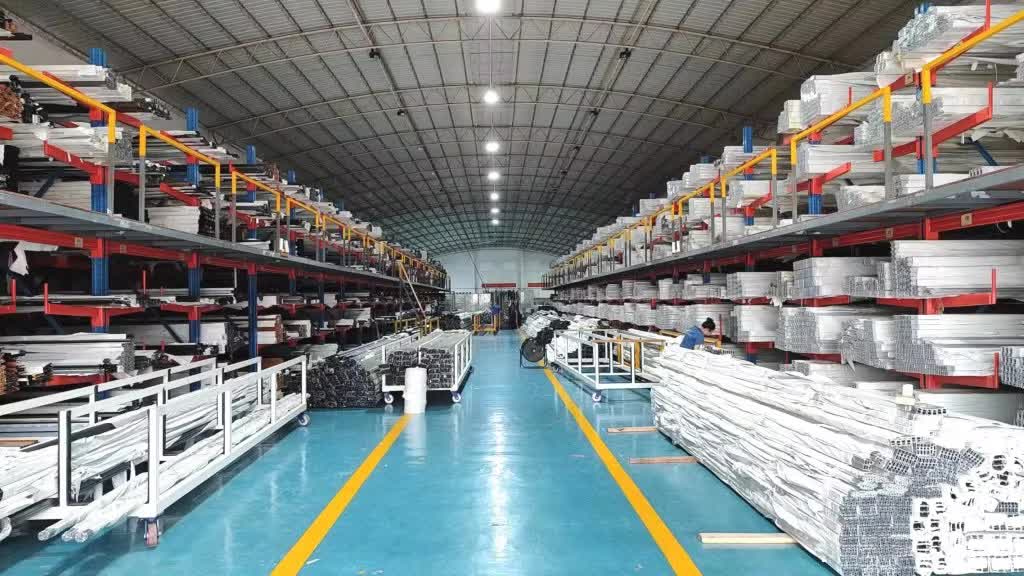
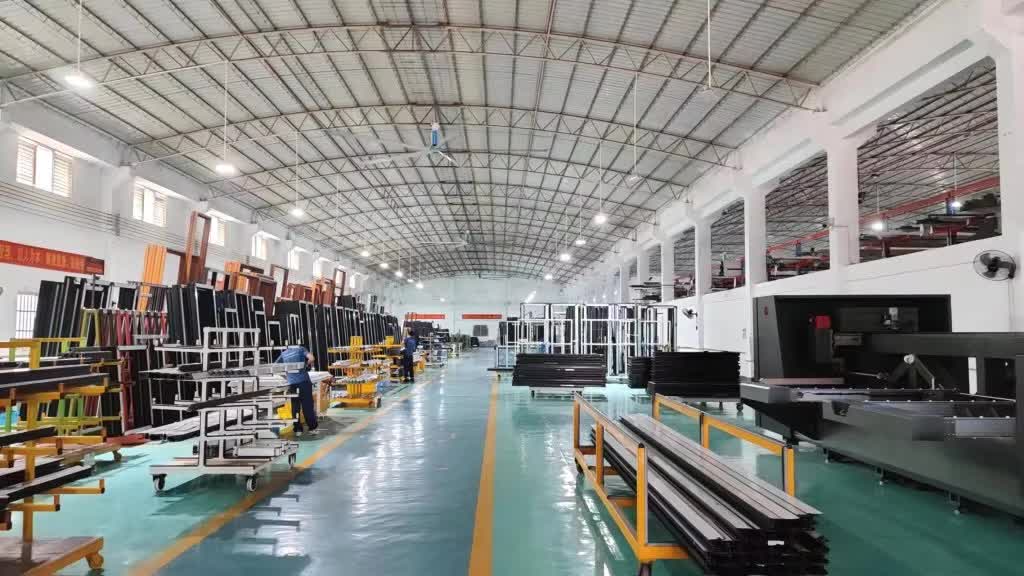
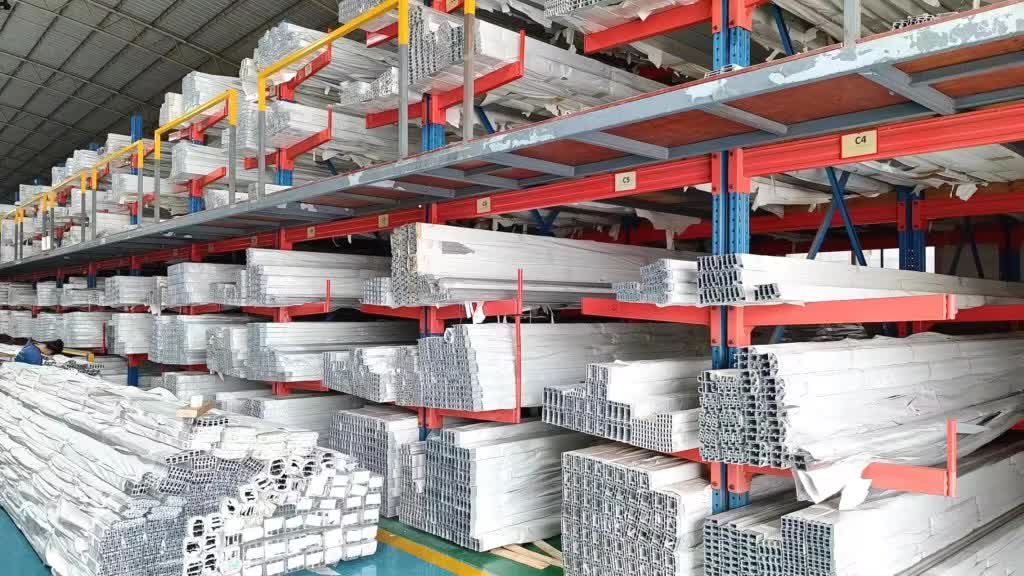
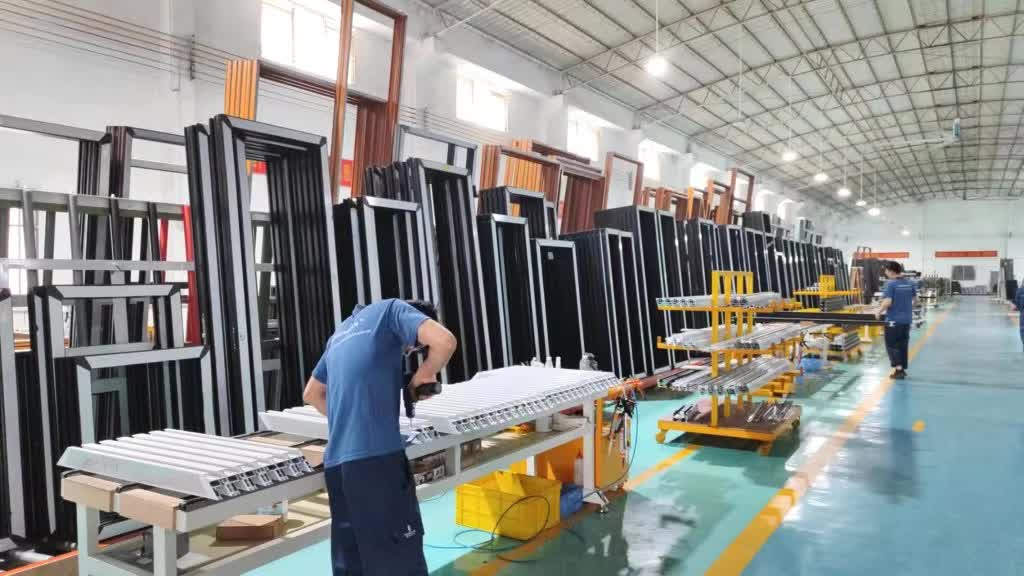
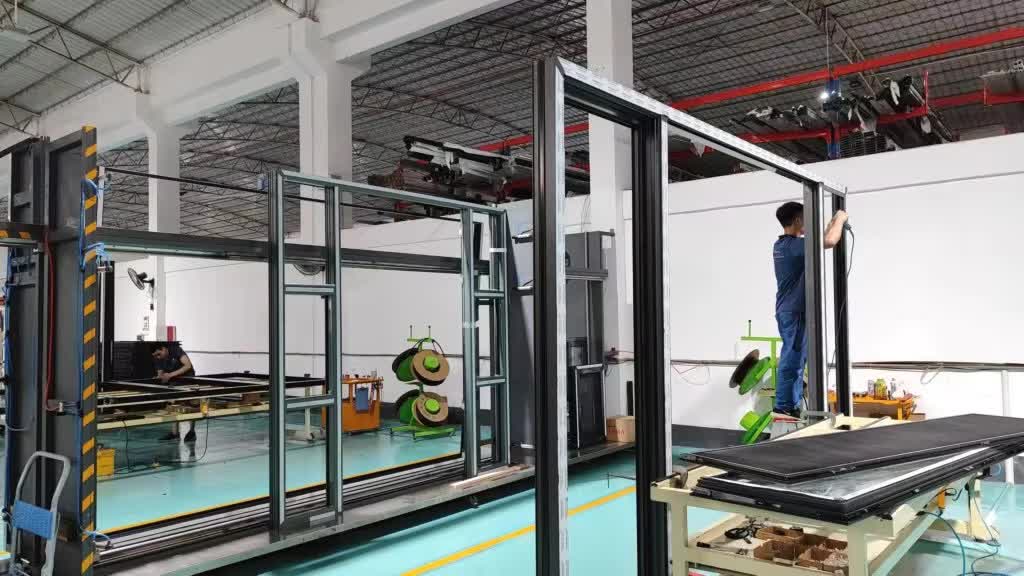
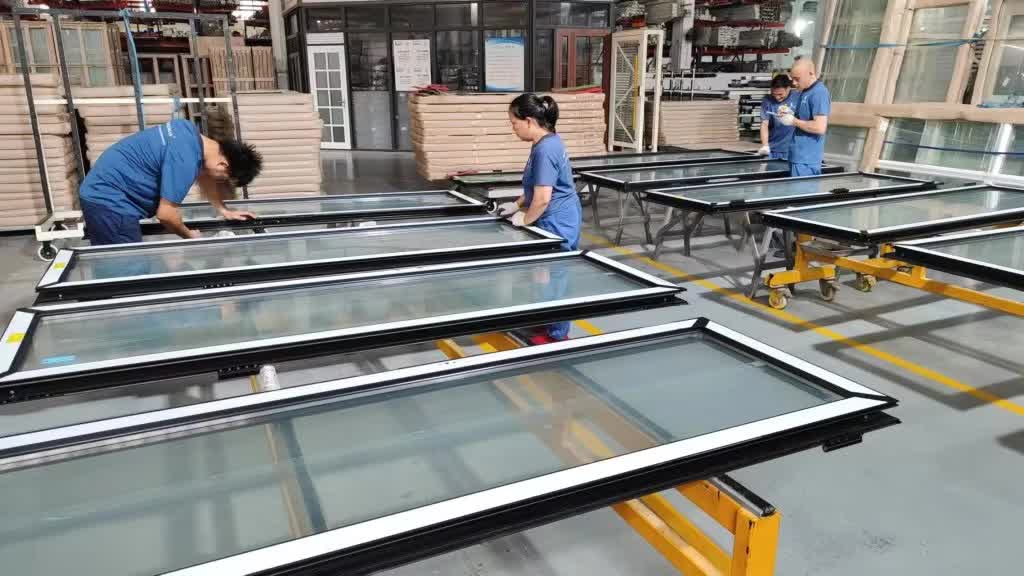
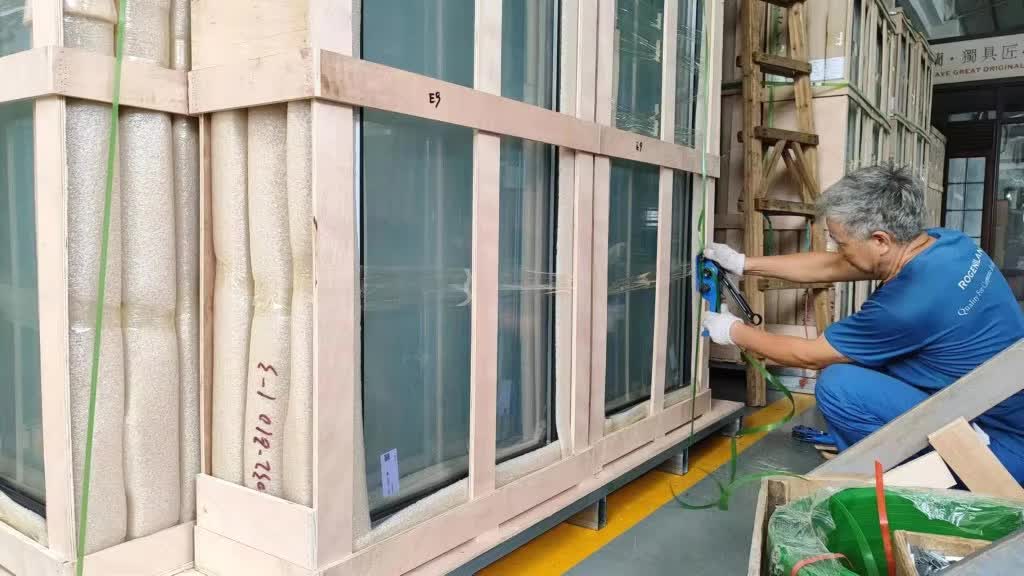
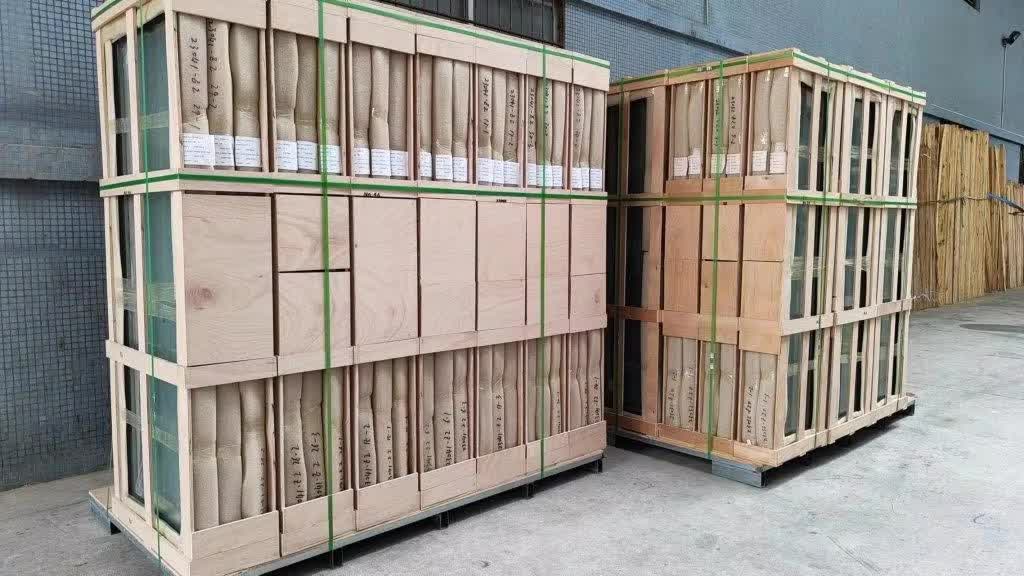
Our quality assurance workflow uses structural performance verification. To ensure each system resists moisture ingress, wind pressure, and thermal degradation in humid, coastal, or sub-zero climates, we perform tests at every major phase:
Adapting window engineering to meet regional environment stresses and performance codes.
In regions facing typhoons or high winds, standard aluminum windows risk structural failure or water ingress. We supply reinforced aluminum frames using multi-point lock systems, thick-walled aluminum alloys (6063-T5/T6), and laminated safety glass.
These custom profiles resist wind deflection and impact, helping protect buildings in severe weather zones without sacrificing design aesthetics.
For city developments near high-traffic zones or transit centers, acoustic insulation is key. Magella window configurations incorporate double-seal EPDM gaskets and asymmetric double/triple glazing units to minimize noise transfer.
This configuration reduces external sound levels, helping developers meet strict urban environmental acoustic requirements.
Technical answers about our custom OEM capabilities, glazing performance, and shipping workflows.
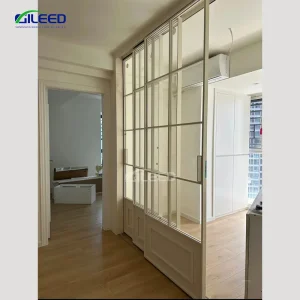
 Magella Door