Explore our NFRC-certified, Energy Star-compliant window and door systems designed for global residential and commercial projects.
Understanding the evolution of strict building performance codes, greenhouse gas mitigation programs, and the rising global demand for certified high-performance windows.
The global construction industry is undergoing a structural transition toward decarbonization, driven by code compliance developments such as the updated US EPA Energy Star Version 7.0 specification, the European Union's Energy Performance of Buildings Directive (EPBD), and Australia’s National Construction Code (NCC) net-zero requirements. In this context, building fenestration systems—specifically windows and doors—are no longer treated as passive elements. Instead, they function as dynamic barriers responsible for thermal insulation, solar heat gain management, and daylight optimization.
Energy Star windows require meticulous engineering to minimize heat transfer. In cold climates, they prevent thermal energy from escaping, lowering heating loads. In tropical or hot regions, they block intense solar infrared radiation, reducing structural cooling demands. For commercial projects targeting LEED or BREEAM certifications, utilizing certified systems from a qualified China Energy Star windows factory is a critical step in lowering Operational Carbon (carbon emissions generated from energy use) and minimizing the building's overall Lifecycle Assessment (LCA) impact.
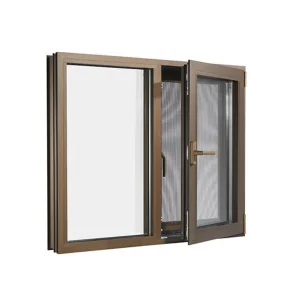
Polyamide thermal barriers separate interior and exterior aluminum profiles, stopping structural thermal bridging and reducing condensation risk.
Advanced profile chambers combined with triple-glazing options optimize the overall system U-factor to comply with international regulations.
Varying glass thickness configurations break down sound wave frequencies, delivering premium acoustic isolation alongside thermal performance.
Combining German systemic precision with China's manufacturing scale to engineer high-durability fenestration systems.
Since its founding, Magella has been committed to research and development, innovating aluminum windows, doors, and related architectural solutions. We adhere to our core enterprise philosophy: "Hard working and Integrity, Innovation and Success." Over years of continuous effort, Magella has established a fully integrated vertical sales, research, design, production, and marketing system. This structure allows us to offer custom solutions tailored to specific commercial or residential architectural needs globally.
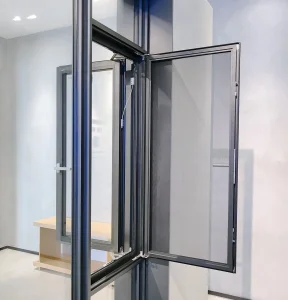
Magella constantly innovates by combining localized structural designs with German system standards. We collaborate with world-leading hardware brands—including German HOPPE, SIEGENIA AUBI, ROTO, KINLONG, BOGO, and OAOSM. Integrating these precision components ensures that our sliding, folding, tilt-and-turn, and casement systems operate smoothly, provide superior security, and maintain airtight sealing over decades of use.
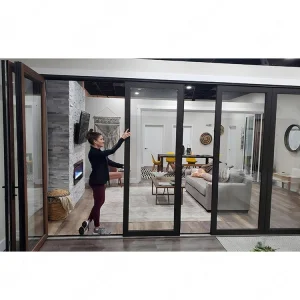
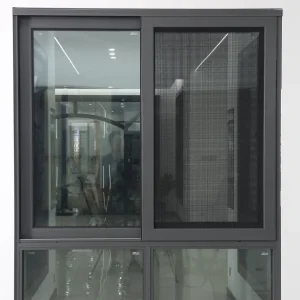
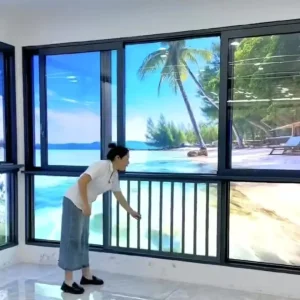
Our comprehensive catalog spans 3 major categories: aluminum windows, doors, and sunrooms (patios). These are subdivided into over 12 specialized product configurations:
Engineered to meet the thermal and structural demands of harsh architectural environments.
A transparent look into Magella’s fabrication, testing, and shipping processes.
Our manufacturing complex uses precision assembly workflows to meet international performance standards. By combining CNC profile cutting, automatic corner crimping, and automated glazing line integration, Magella ensures each window unit maintains structural tolerances within ±0.5mm. This high precision is crucial for achieving airtight seals, which directly impacts the window's air infiltration rating and Energy Star qualification.
Every batch of windows goes through strict quality control protocols, including water tightness testing, wind load resistance testing, and air permeation evaluations. Our packing processes are optimized for international maritime logistics, utilizing protective film, custom wood crates, and impact absorption pads to ensure your products arrive on site undamaged.
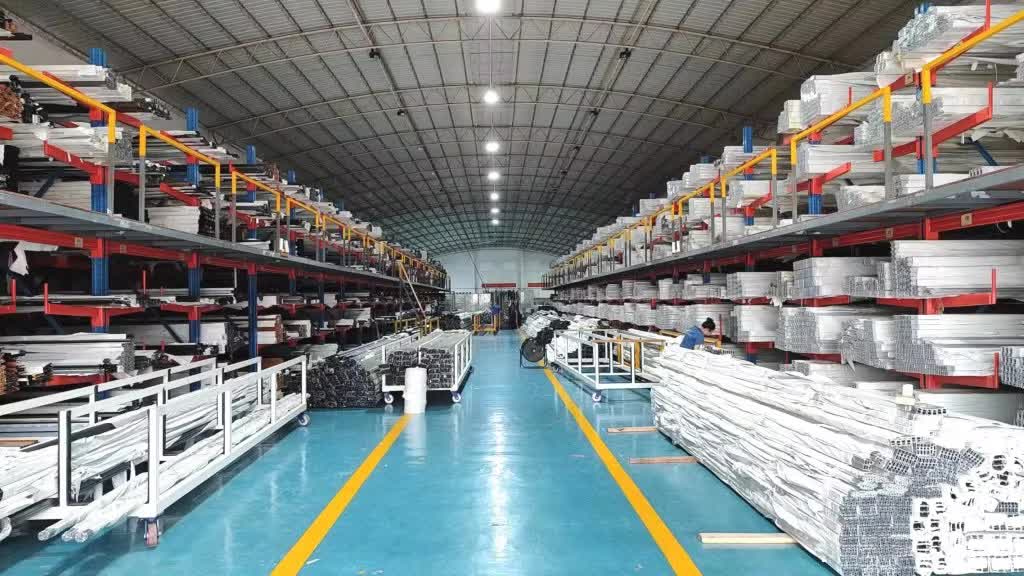
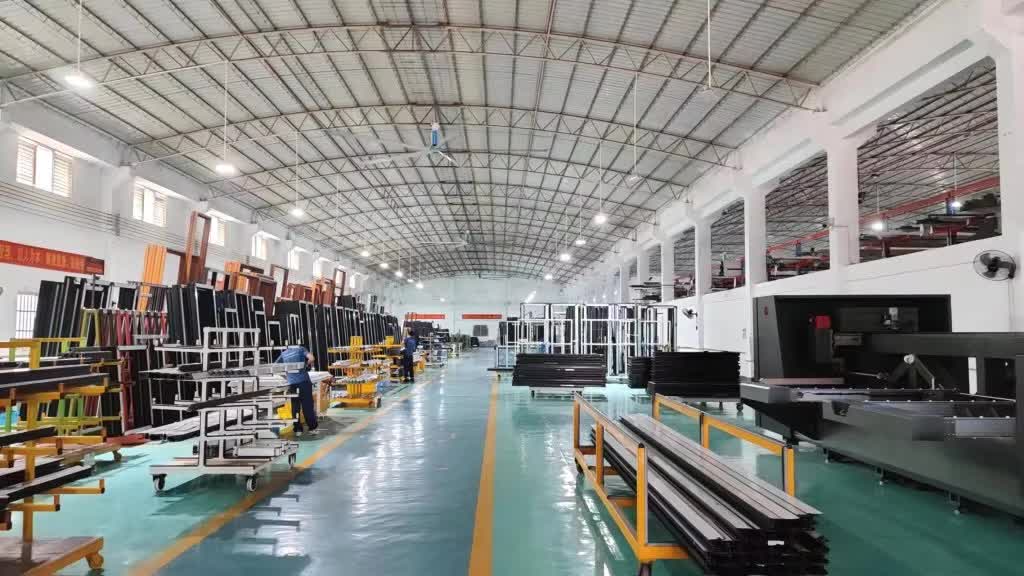
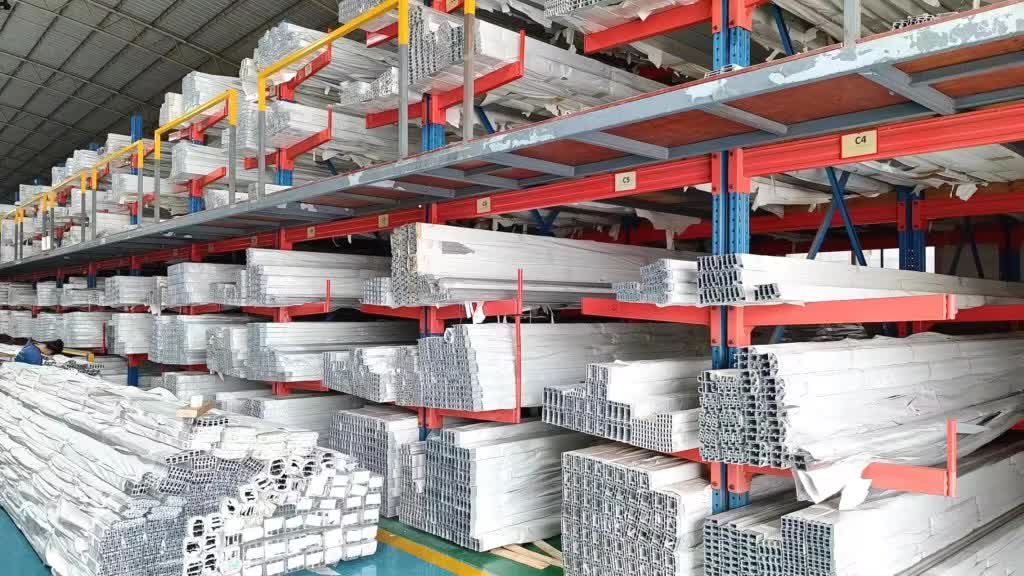
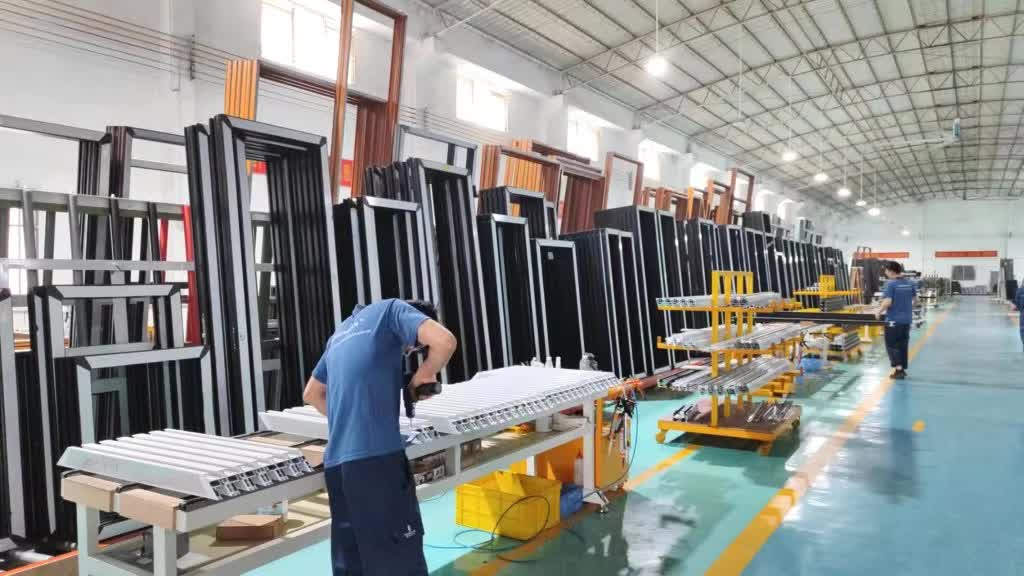
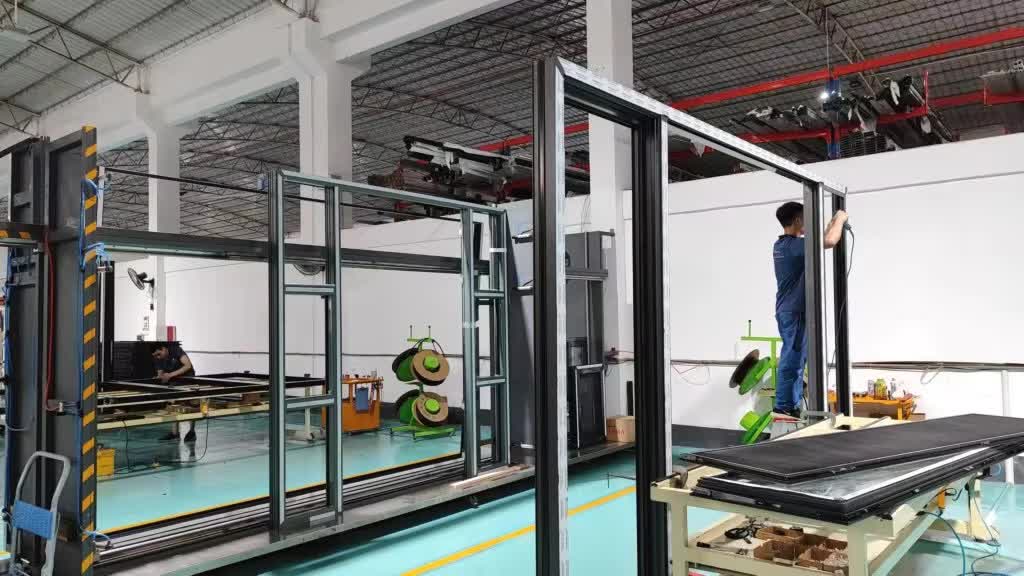
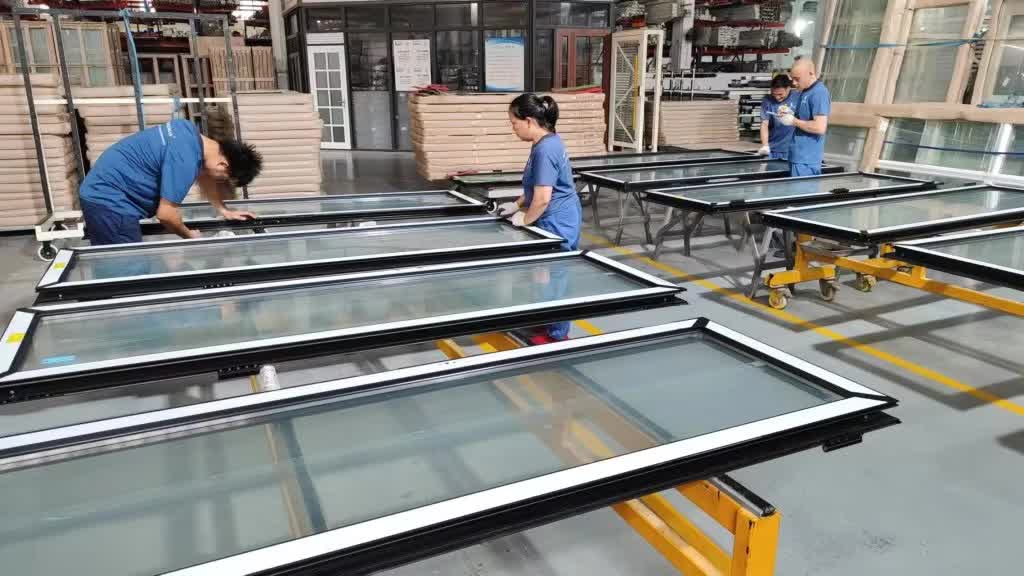
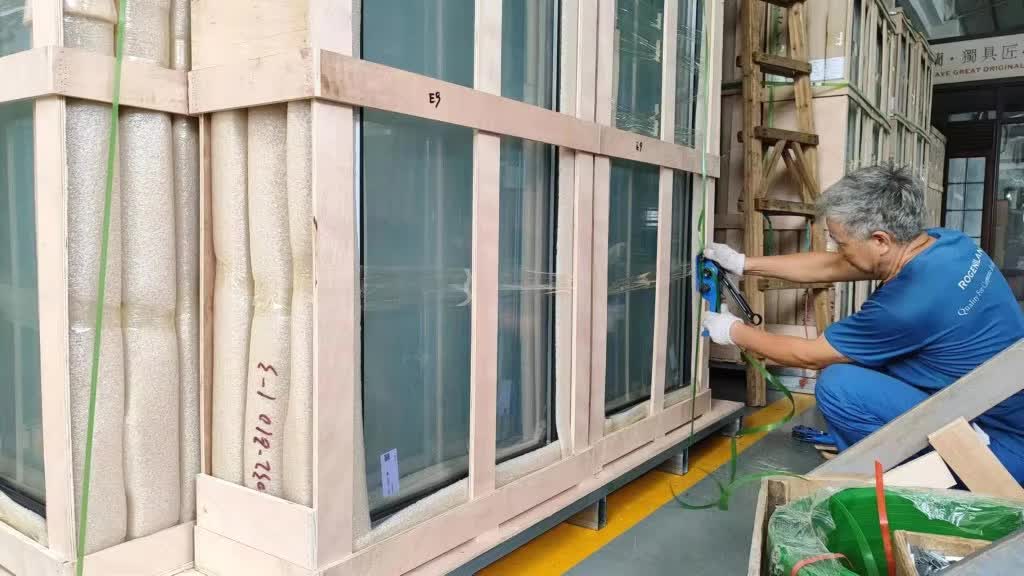
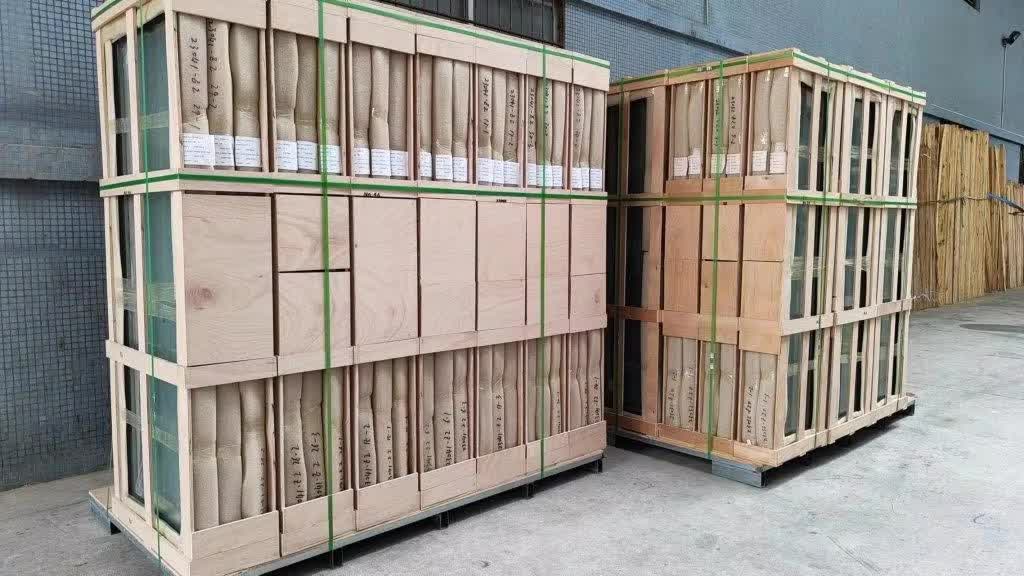
Customized glass formulas and aluminum alloy options matching localized weather patterns.
Exporting building materials worldwide requires adaptation to different climate zones. For example, projects in Northern climates (Canada, Northern US, Northern Europe) require windows with low U-factors and moderate-to-high solar heat gain coefficients (SHGC) to maximize passive solar heating. Conversely, projects in hot zones (Middle East, Southern US, Southeast Asia) require low SHGC to block solar heat radiation. We customize Low-E coating positioning on the glass surfaces to meet these specific regional performance requirements.
For B2B buyers, importing windows and doors from China requires clear communication around compliance, structural calculations, and supply chain timelines. Magella handles this by offering comprehensive CAD drawings, structural wind-load calculation reports, and certification files (such as NFRC, AAMA, and CE). Our logistics partnerships ensure that customs declarations, ocean freight, and container space are managed professionally to reduce project delay risks.
Innovation trends leading the next generation of passive and active building envelopes.
As green building codes tighten worldwide, simple double-glazing is evolving toward more advanced solutions. Key industry trends include:
Technical answers to key product design, compliance, and B2B sourcing questions.
Architectural options designed for modern residences, industrial structures, and commercial spaces.
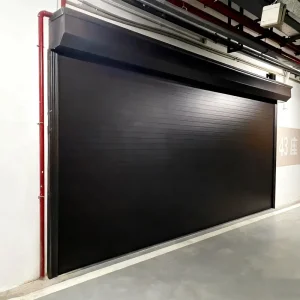
 Magella Door