Discover high-performance aluminum products custom-developed for global building code envelopes, storm resistance, and minimalist aesthetics.
In modern architecture, building envelopes are no longer merely decorative skins. The rapid rise of high-performance building materials has positioned aluminum siding and architectural profiles at the very core of sustainable structural engineering. Global climate variation requires dynamic external envelopes that offer wind load resistance, thermal mitigation, and longevity.
Most commercial buyers look for "siding" as a standalone sheet. However, true architectural performance integrates the entire perimeter: the exterior facade cladding, high-performance thermal-break framing systems, and advanced fenestration. Choosing a factory that understands the physical interaction between architectural siding, structural sub-frames, and window systems guarantees envelope integrity.
Leading global engineering standards highlight the importance of material grade selections. While typical residential applications utilize aluminum alloy 3000 series, commercial and extreme-weather configurations demand 5000 or 6000 series alloys. High-grade alloys provide superior mechanical properties, allowing facades to withstand the high wind shear, salt corrosion, and temperature spikes common in coastal and extreme weather zones.
As a pioneering force in the architectural envelope ecosystem, Magella is committed to the research, development, and vertical integration of aluminum windows, doors, cladding profiles, and complete envelope solutions.
Guided by the corporate philosophy of "Hard working and Integrity, Innovation and Success," Magella has established a unified end-to-end sales, engineering, and manufacturing apparatus. Over years of development, our research teams have successfully bridged the gap between Chinese supply chain optimization and advanced German architectural systems.
By working closely with industry-defining component and hardware developers, including German HOPPE, SIEGENIA AUBI, ROTO, KINLONG, BOGO, and OAOSM, Magella delivers customizable, smart-lock compatible, high-thermal-efficiency installations. Our product offering spans three main segments:
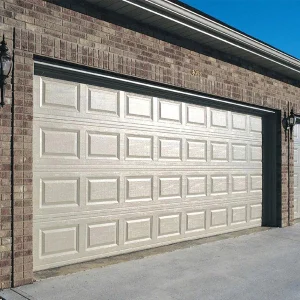
Designed for structural rainscreens, protective siding, and high-performance exterior wall interfaces that block water while allowing ventilation.
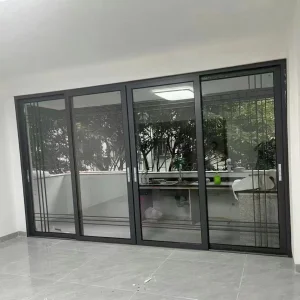
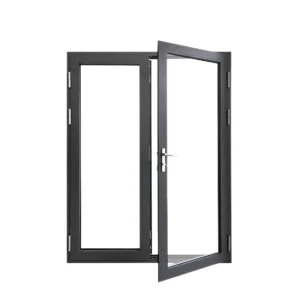
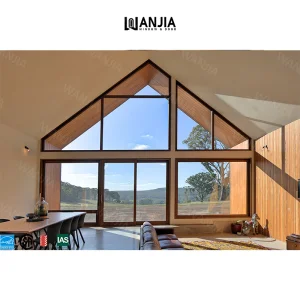
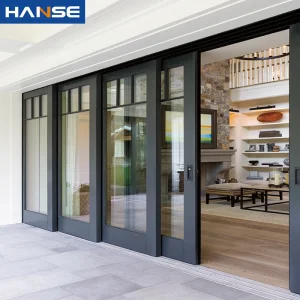
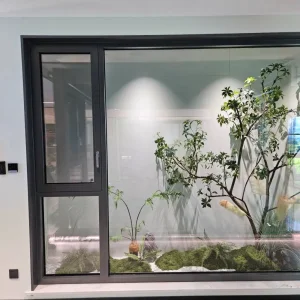
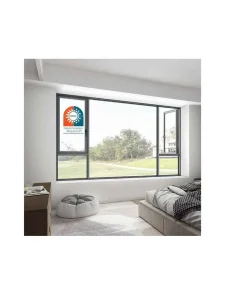
Subdivided into multi-position windows, heavy-duty sliding systems, lifting windows, and panoramic fixed picture setups for thermal mitigation.
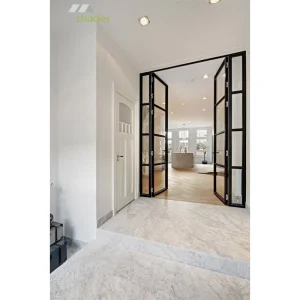
Bespoke structural glass integrations featuring smart shading glass and built-in privacy shutters for commercial and high-end residential applications.
Procuring heavy building materials internationally requires careful verification. Use this structured evaluation framework to grade aluminum siding, profile, and facade system suppliers:
Ensure the supplier provides mill test certificates (MTC) verifying the chemical composition and mechanical properties of the aluminum alloy series (e.g., AA6063-T5/T6).
Verify compliant coatings like AAMA 2605 or Qualicoat Class 3, providing high resistance to salt spray, UV damage, and physical wear.
Select suppliers that engineer integrated systems (profiles, flashing, brackets, thermal barriers) rather than simple sheet profiles.
Verify independent test reports from organizations like NFRC, CE, SGCC, or local building regulatory bodies.
Confirm their CAD/CAM die development capabilities for bespoke architectural shapes and profiles.
Verify onsite testing equipment for wind load deflection, water tightness, air infiltration, and coating adhesion.
China's aluminum industry has transitioned from high-volume manufacturing to high-tech, precision engineering. The concentration of upstream raw material refineries, specialized extrusion tooling centers, and advanced surface treatment plants provides structural advantages:
A commercial developer in the United States required custom thermal-break architectural frames with specific wind-load ratings. Leveraging Magella's combined German-engineered thermal break profiles and Chinese manufacturing processes, the project achieved code compliance while reducing material costs by 32% compared to domestic suppliers.
Building regulations vary globally. An experienced manufacturer must adapt its manufacturing processes to align with the specific compliance frameworks of destination markets.
Requires strict compliance with the National Fenestration Rating Council (NFRC) for U-values, SHGC (Solar Heat Gain Coefficient), and structural load certifications under the International Building Code (IBC).
Applies EN 13830 standards for curtain walling, demanding tested air permeability, resistance to water penetration, and thermal transmittance rates (U-values).
Coastal developments require high wind and impact resistance (e.g., Florida Building Code standards). Systems must feature reinforced structural cavities and heavy-duty, multi-point locking systems.
Magella's commitment to reliability is demonstrated through strict quality checks at every stage of production. From raw alloy inspections to final packaging, we ensure every shipment meets international site delivery requirements.
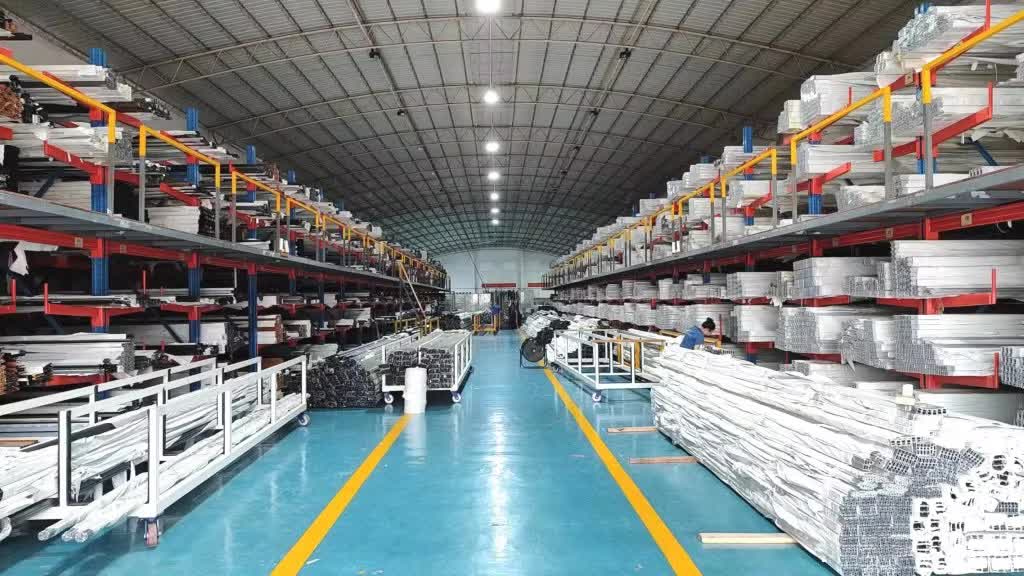
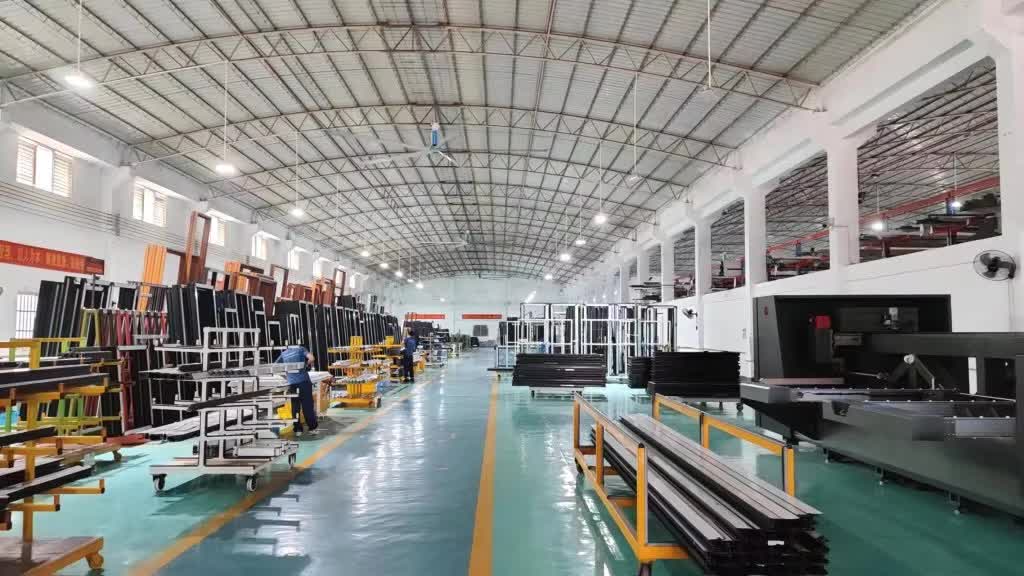
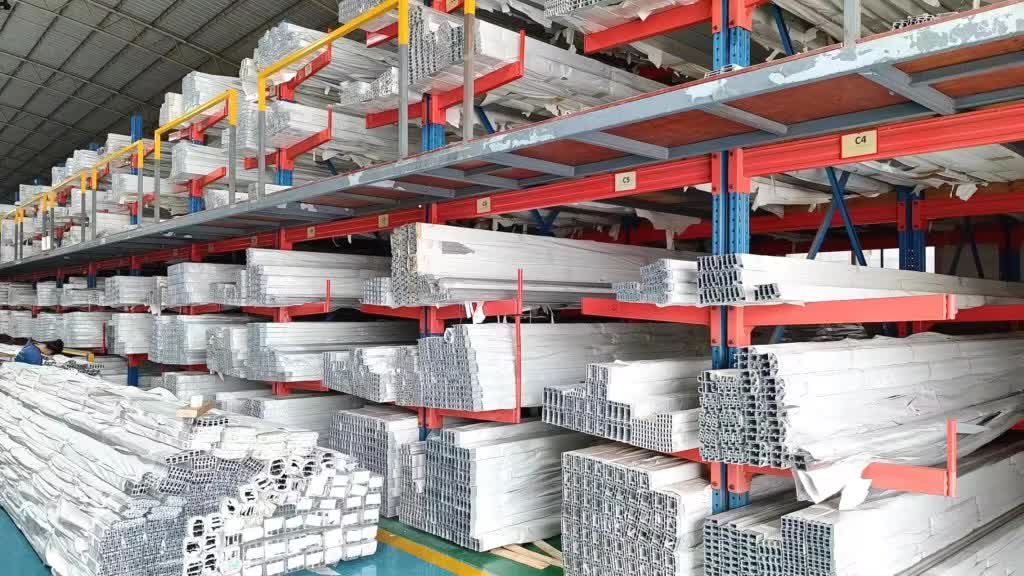
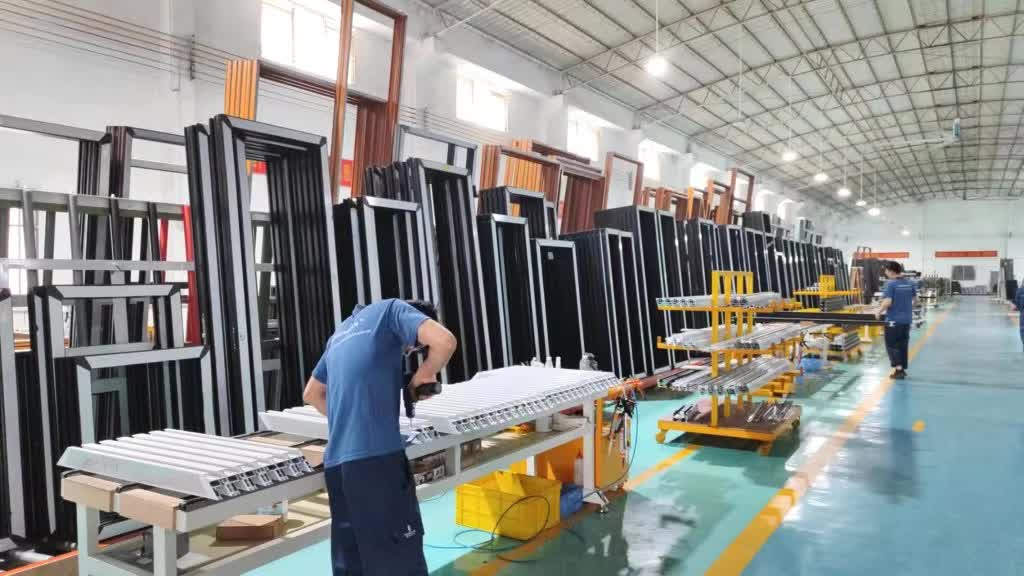
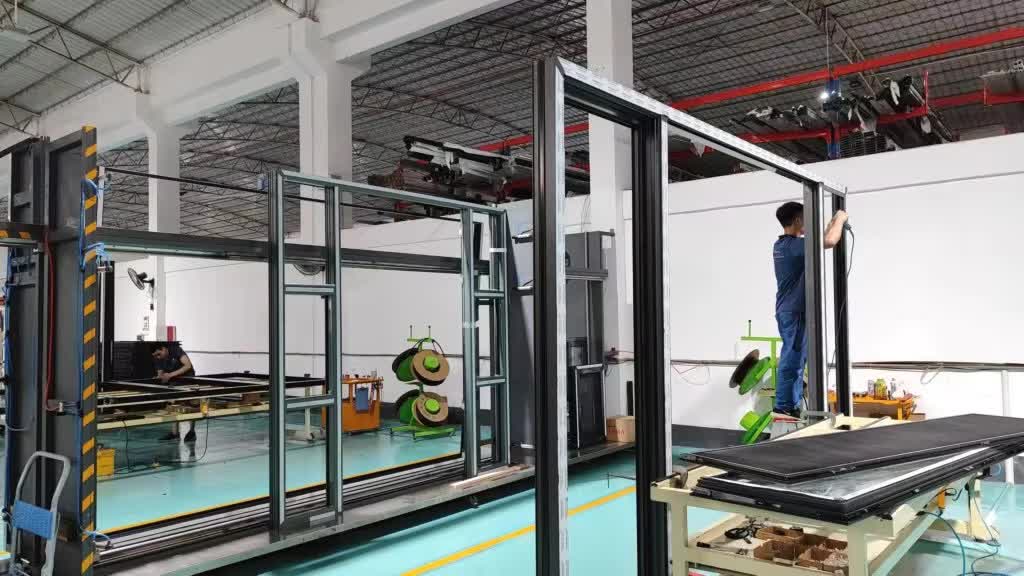
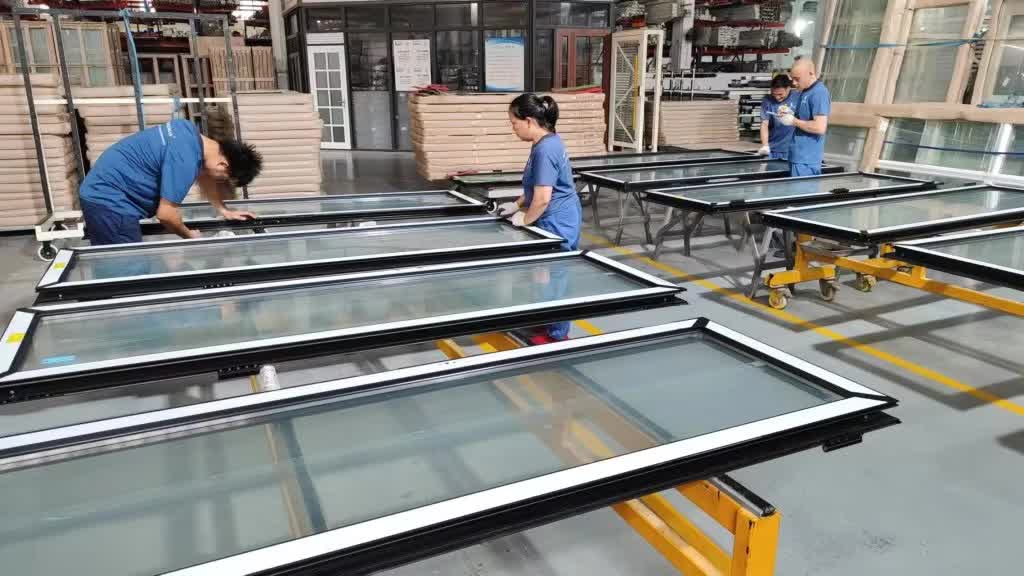
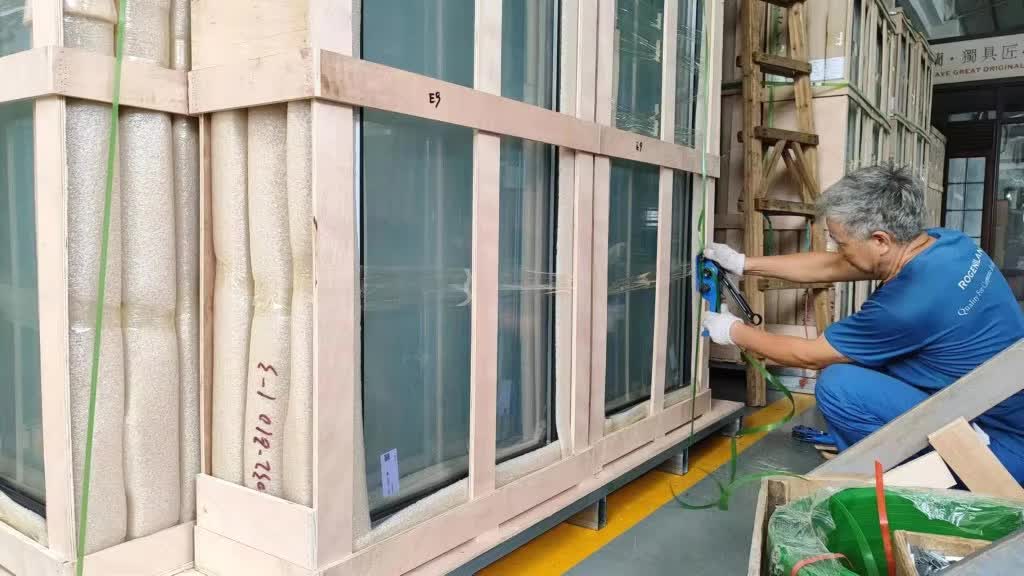
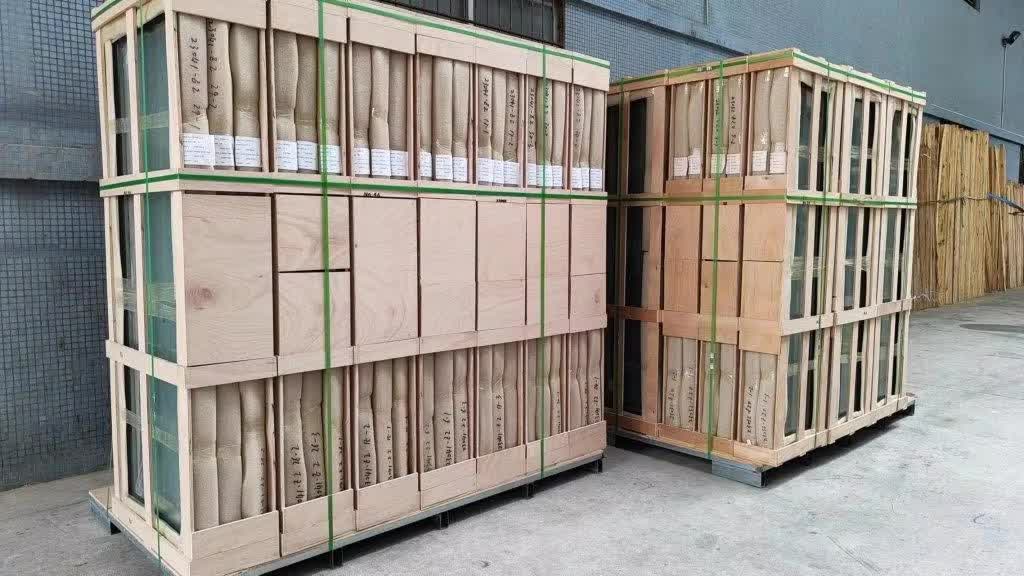
Aluminum systems are highly versatile, allowing for seamless integration across diverse design topologies.
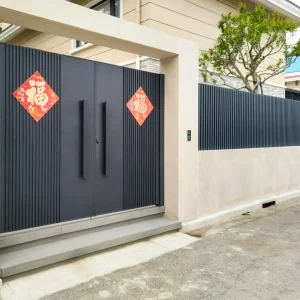
Designed for developments requiring durable cladding, integrated security sliding systems, and balcony safety doors. Thermal breaks reduce HVAC loads in hot climates, while multi-point locks enhance perimeter security.
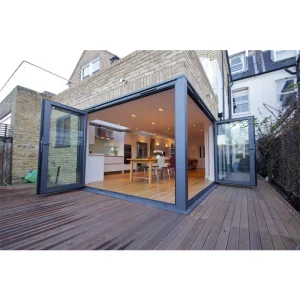
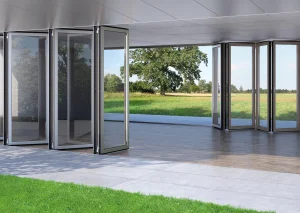
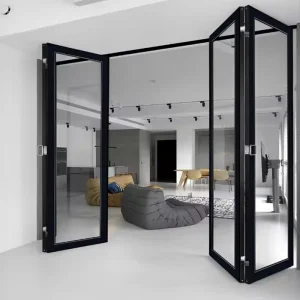
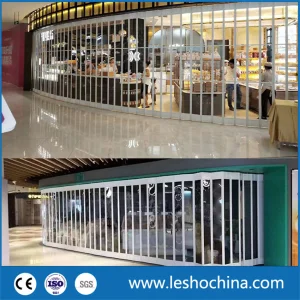
Features large-span glass elements, structural thermal break windows, and robust automatic systems (such as high-traffic folding doors). Powder-coated finishes provide long-term protection against heavy foot traffic and wear.
Utilizes impact-rated cladding profiles, marine-grade anodized finishes, and storm shutters that protect against water intrusion and extreme wind pressures.
As urban developments prioritize decarbonization and climate resilience, the architectural aluminum sector is evolving rapidly:
Get authoritative answers to key technical, logistical, and design questions about aluminum cladding, siding, and integrated architectural profiles.
Explore our range of heavy-duty, storm-resistant, and high-performance structural systems designed for international markets.
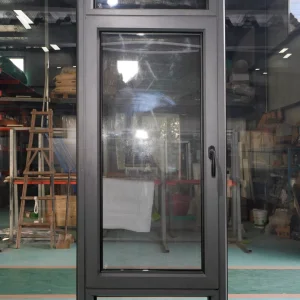
 Magella Door