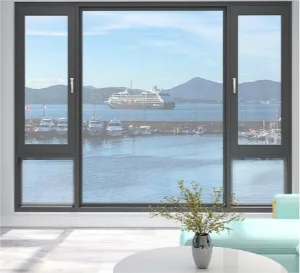
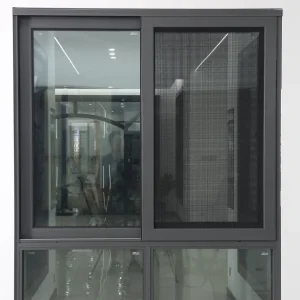
Explore high-performance commercial storefronts, heavy-duty sliding systems, and energy-efficient building envelopes engineered for demanding projects.
Commercial glazing has evolved from basic fenestration into a highly complex discipline of structural and environmental engineering. As cities expand vertically and building codes demand near-zero energy consumption, the selection of the right glass system becomes paramount. Modern building envelopes must reconcile structural stability, high wind loads, thermal insulation, acoustic control, and aesthetic ambition.
Understanding the ecosystem of commercial glazing manufacturers requires examining the supply chains that deliver multi-functional glass packages. Global sourcing now bridges the gap between state-of-the-art European structural designs and the massive manufacturing efficiencies of Chinese processing facilities. This synergy guarantees compliance with rigorous international standards, such as Australia's AS2047, European CE directives, and the US-based National Fenestration Rating Council (NFRC) performance ratings.
Since its founding, Magella has been committed to research and development, innovating aluminum windows, doors as well as related solutions, and services. We always adhere to the enterprise philosophy of “Hard working and Integrity, Innovation and Success”. Furthermore, after years efforts, now we’ve had our own completed sales system from Research, development to production and marketing.
Magella keeps innovating by combining with Chinese regular designs and German advanced system. We always try our best to find the most suitable customized solutions for different style buildings bu cooperating closely with TOP BRANDS companies, such as: German HOPPE, SIEGENIA AUBI, ROTO, KINLONG, BOGO, and OAOSM.
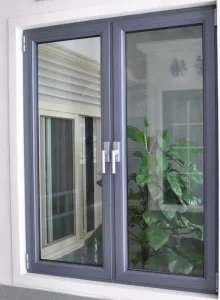
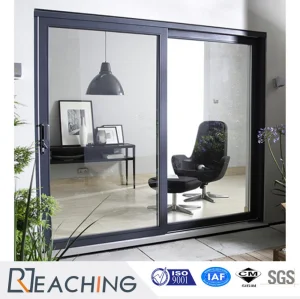
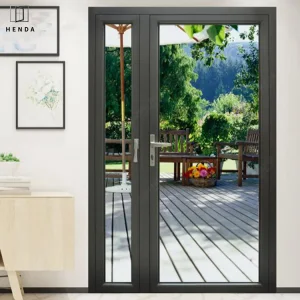
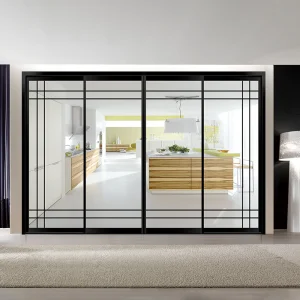
Our Products can be divided into 3 major categories; Aluminum windows, doors and Sunroom(Patio). Also can be subdivided into over 12 categories: Thermal break windows, bi-folding doors, narrow frame sliding doors, hanging sliding doors, heavy-duty sliding doors, casement doors, sliding windows, casement windows, thermal break sliding doors, lifting windows, sunroom, bling(shutter)door, etc. By configuring with double-glazing, all windows and doors can be installed with shutter or smart glass inside, excellent in protecting privacy.
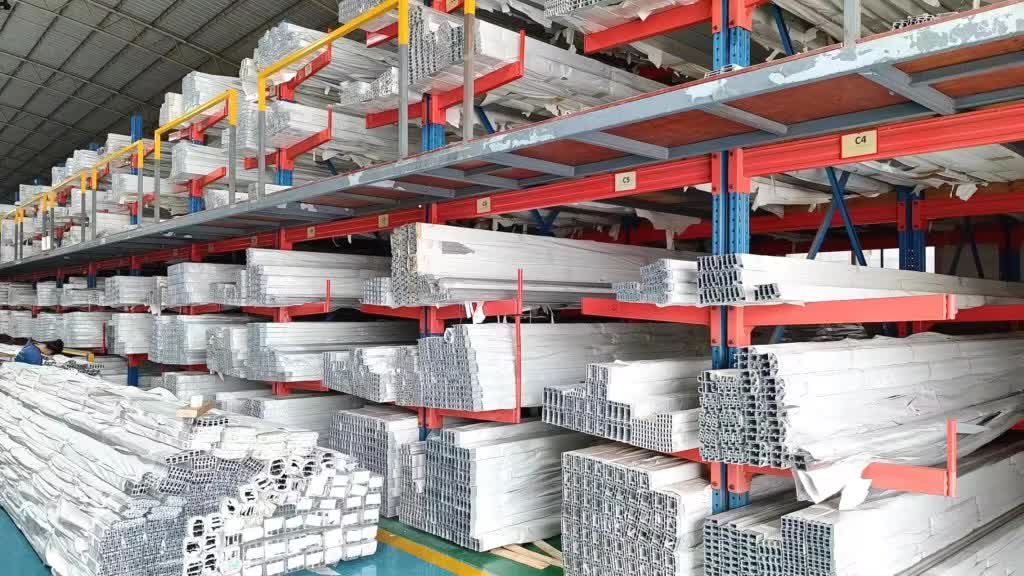
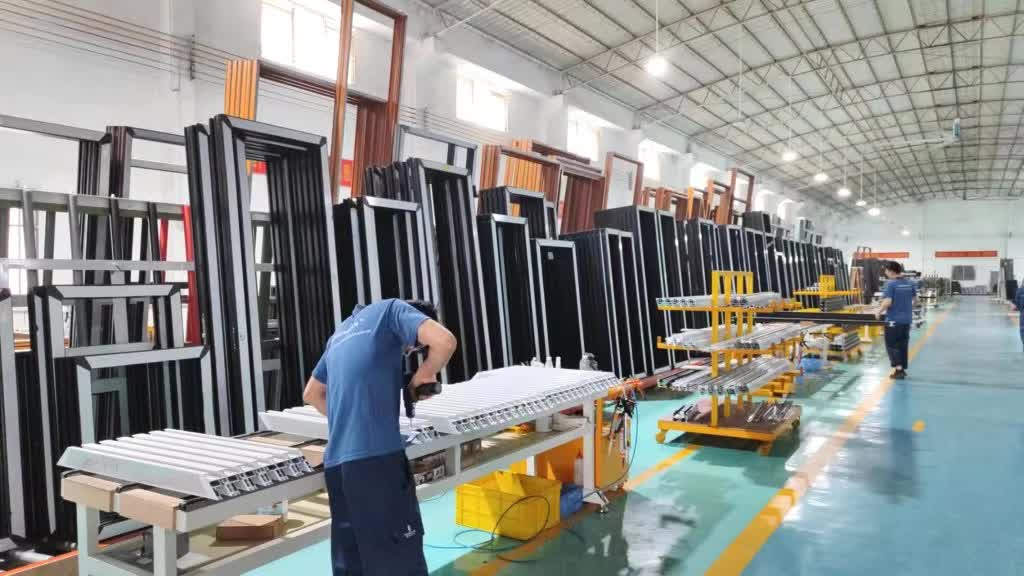
Commercial glazing systems cannot adopt a "one size fits all" configuration. Depending on geography, environment, and building usage, manufacturers must adapt their profile extrusions, glass coatings, and thermal breaks to specific requirements:
Designed to combat wind pressure gradient dynamics at high altitudes. Incorporates unitized curtain walls, heavy structural silicone glazing (SSG), and pressure-equalized rainscreen designs to prevent water ingress while absorbing dynamic movement.
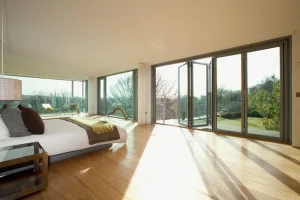
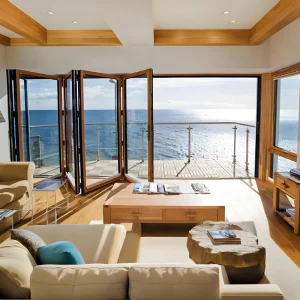
Requires large-span structural glass, low-iron clear formulations for maximum light transmittance (VT), and heavy-duty automatic entry door systems. Bi-folding and sliding glass systems are integrated to create uninterrupted visual portals between interior and exterior spaces.
Commercial glass built near transport hubs, airports, or busy roads utilizes laminated glass structures with varying glass thicknesses. Polyvinyl butyral (PVB) acoustic interlayers decouple sound waves, achieving STC (Sound Transmission Class) ratings exceeding 48 dB.
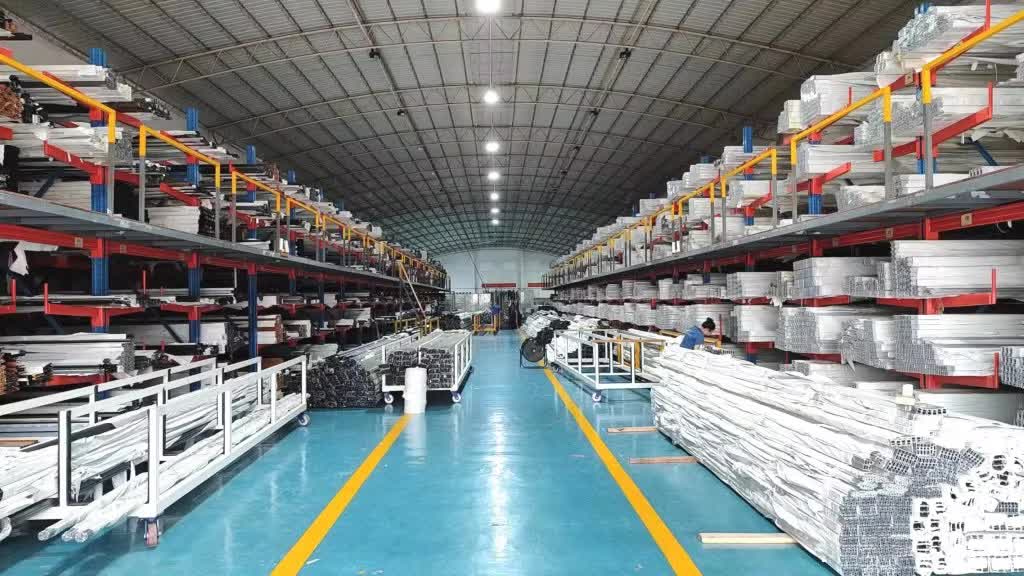
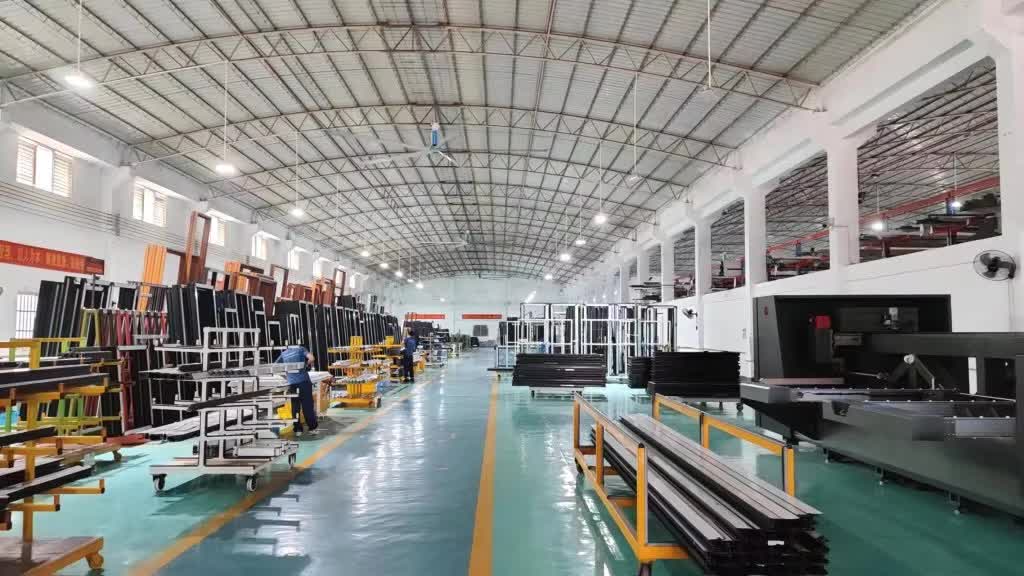
Sourcing commercial glazing systems from advanced Chinese manufacturing hubs provides significant competitive advantages in capacity, raw materials, and high-precision automation. The vertical integration of Chinese processing plants—ranging from primary aluminum billet extrusion, anodizing, and powder coating lines, to advanced multi-chamber IGUs (Insulated Glass Units)—minimizes lead times and prevents multi-tier markup costs.
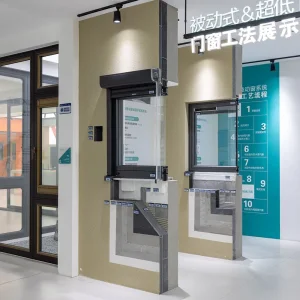
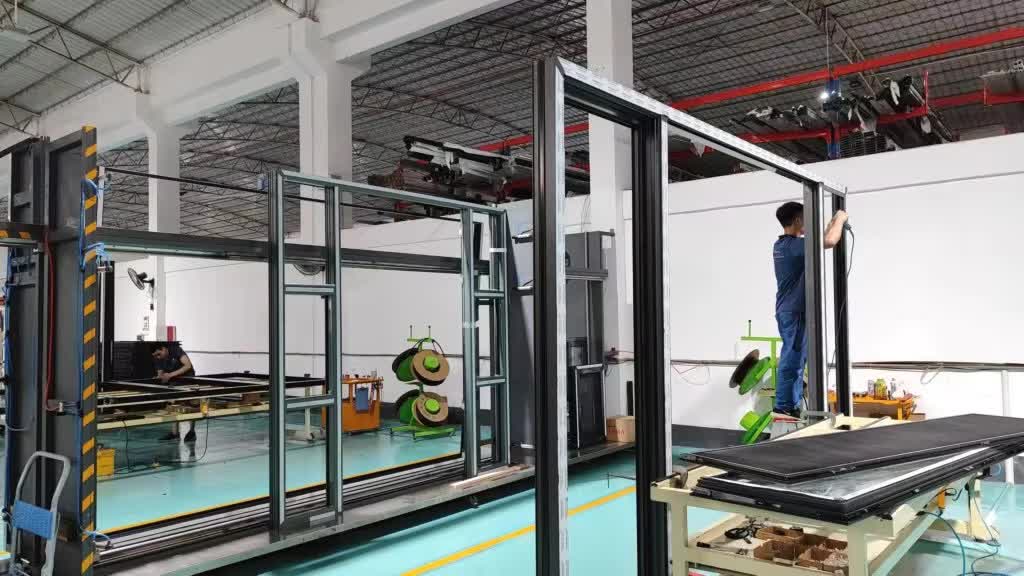
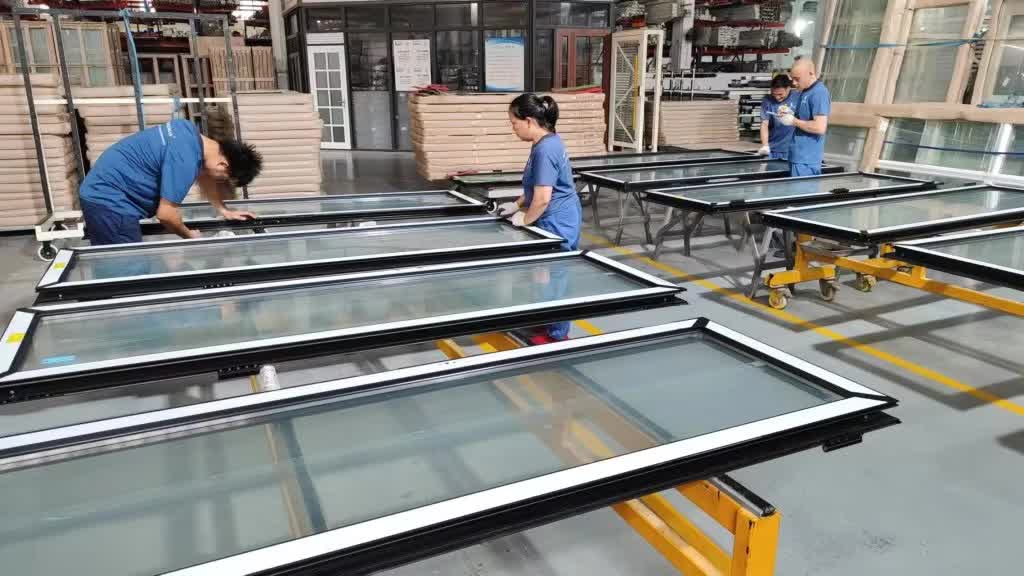
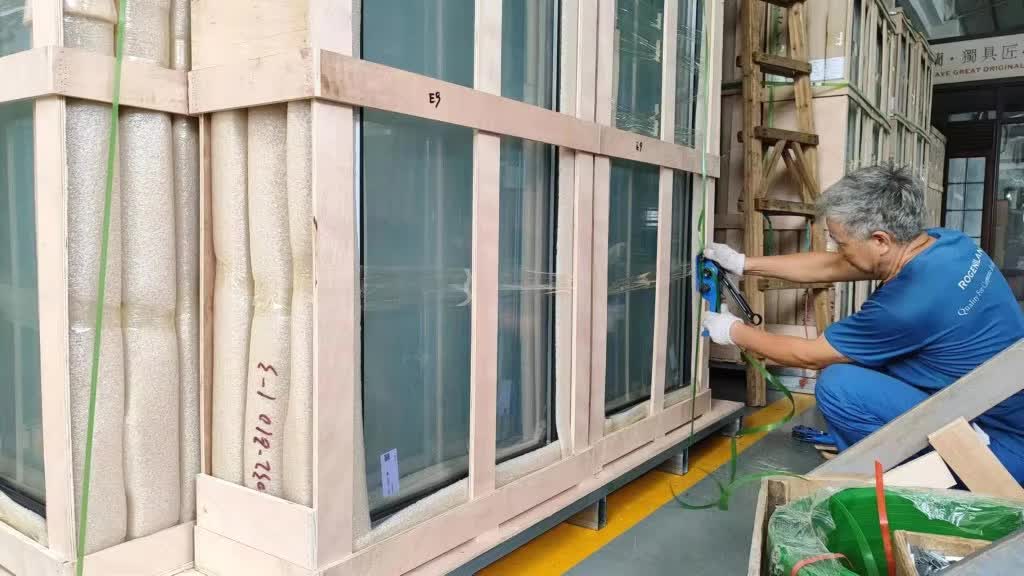
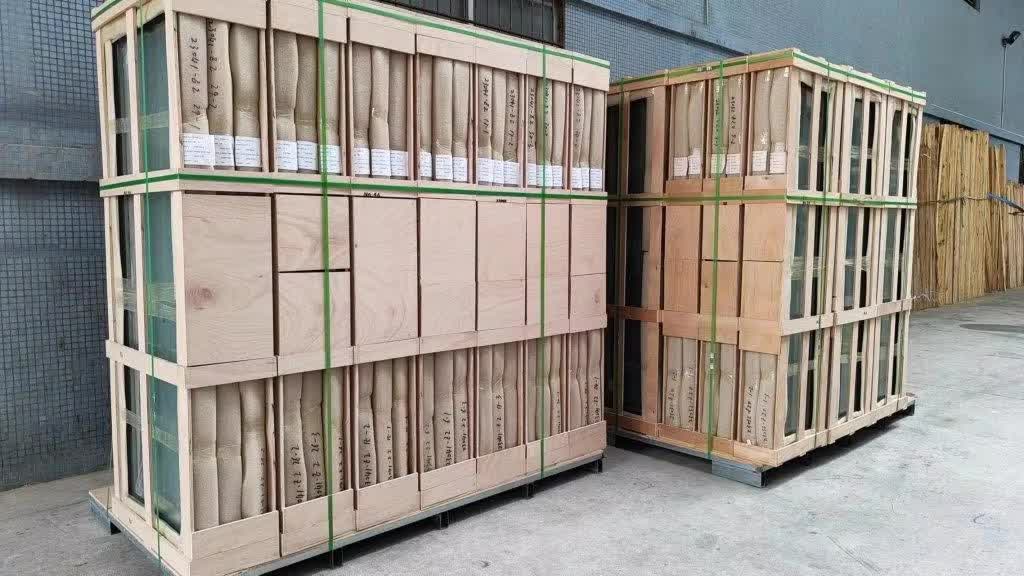
Crucially, high quality is maintained through advanced testing protocols and German-engineered hardware integration. This ensure that profiles can withstand strict testing criteria, including water penetration, structural load tests, and thermal imaging analyses. Below is a window into the manufacturing pipeline at our processing facilities:
The next decade of architectural glazing will center on active insulation, smart response systems, and energy generation. The integration of high-performance Low-E coatings with double or triple glazing blocks up to 99% of harmful UV rays while optimizing the solar heat gain coefficient (SHGC). Smart features, such as integrated blinds and electrochromic glass, allow real-time control over light transmittance, significantly reducing HVAC loads in skyscrapers.
Moreover, the adoption of warm edge spacers, argon/krypton gas fills, and thermal-break polyamide barriers within the aluminum framing profile ensures compliance with strict passive house standards. As commercial construction shifts towards carbon-neutral operations, selecting glazing with high circularity—such as recycled aluminum and easily demountable glass panels—is now a standard requirement for developers looking to secure LEED and BREEAM certifications.
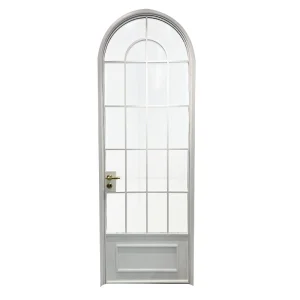
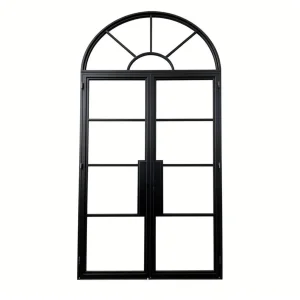
Explore high-durability thermal break profiles, arched designs, and customized solutions engineered for architectural excellence.
Answers to technical and regulatory queries frequently asked by architects, façade engineers, and global buyers.
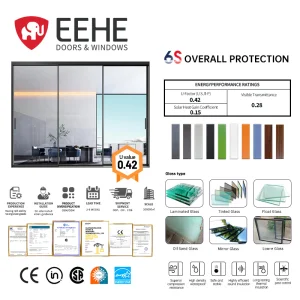
Thermal performance is primarily determined by three key factors: the U-Value (overall heat transfer coefficient), the Solar Heat Gain Coefficient (SHGC), and Visible Transmittance (VT). Achieving low U-values requires using double or triple-pane Insulated Glass Units (IGUs) featuring low-emissivity (Low-E) coatings, argon or krypton gas fills in the cavities, and structural thermal breaks (typically polyamide channels) within the aluminum profiles.
AS2047 is the mandatory standard for windows and external glazed doors in Australia. It regulates performance requirements, including deflection (wind pressure loads), operating force, air infiltration, and water penetration resistance. Products sourced from overseas factories must be certified under accredited laboratory testing conditions to ensure compliance with this standard.
Large-format glass units, such as bi-folding doors or high-span sliding systems, place substantial physical load on structural mechanisms. German hardware manufacturers like HOPPE, ROTO, and SIEGENIA engineering high-tolerance fittings that resist sagging, deformation, and cycle fatigue over decades. This ensures smooth operation and maintains airtight seals.
Smart glass contains a thin film interlayer that responds to low electrical currents. When energized, it alters its molecular alignment to dynamically change from transparent to translucent or tinted. This system is often integrated with Building Management Systems (BMS) to respond dynamically to direct sunlight, reducing cooling loads while maintaining occupant comfort.
 Magella Door