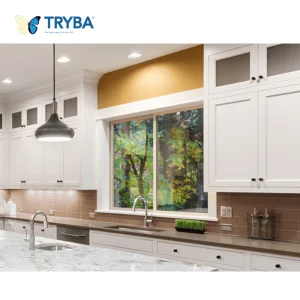
In contemporary architecture, the transition from traditional framed systems to minimalist, structural frameless glass systems marks a monumental design shift. Developers and architects globally are prioritizing maximum daylight exposure, minimal visual obstructions, and highly efficient thermal boundaries. The frameless glass market is no longer limited to high-end boutique properties; it has become the standard for class-A commercial facades, luxury residential complexes, and urban skyscrapers.
From a technical standpoint, structural frameless glass relies heavily on advanced material science. Heavy-duty windloads, seismic activities, and thermal stresses dictate that these systems must be engineered with absolute precision. Modern installations utilize laminated safety glass, specifically combining SentryGlas® (SGP) or Polyvinyl Butyral (PVB) interlayers, to ensure structural integrity in the event of glass breakage. Architects specify low-iron glass options to minimize the natural greenish tint of standard float glass, achieving an ultra-clear, highly transmissive visual connection between the interior and exterior environments.
When selecting OEM/ODM partners for global exports, procurement managers must evaluate deep engineering metrics. The thermal transmittance, or U-Factor (expressed in W/m²K), the Solar Heat Gain Coefficient (SHGC), and Sound Transmission Class (STC) ratings are the standard parameters that dictate building code compliance across different jurisdictions. Incorporating advanced double or triple glazing filled with inert gases like Argon or Krypton drastically reduces heat conduction, satisfying rigid net-zero energy demands globally.
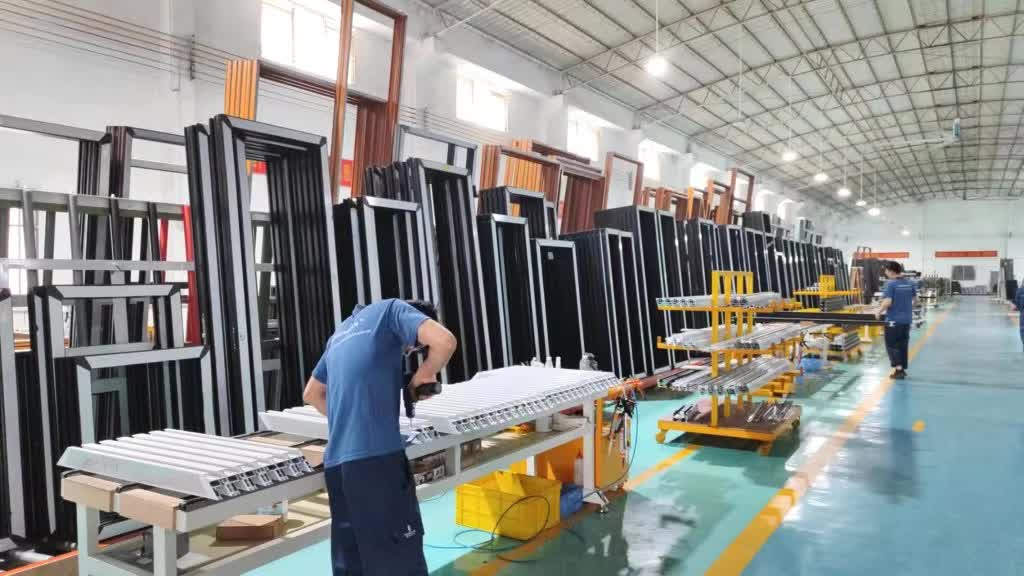
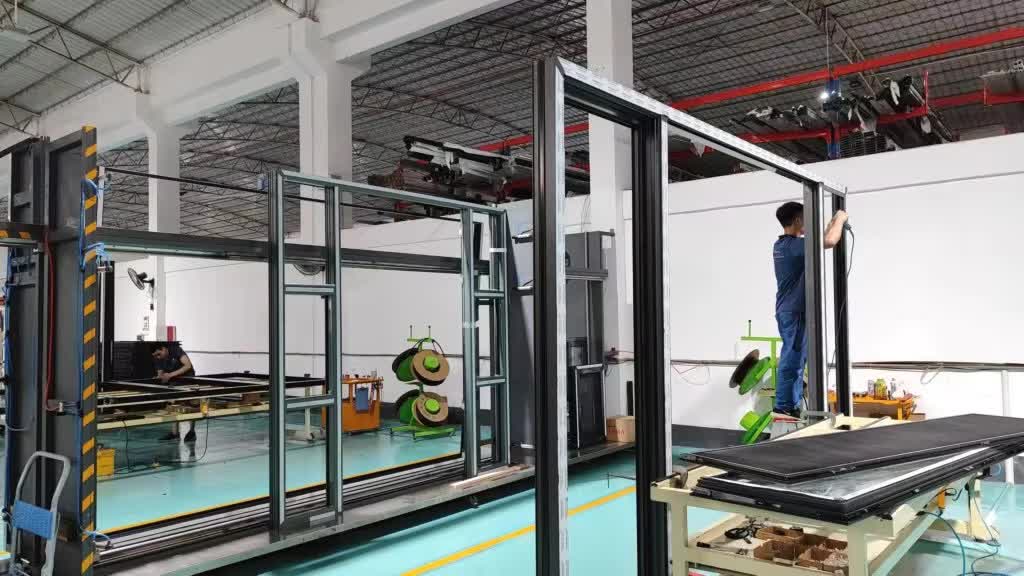
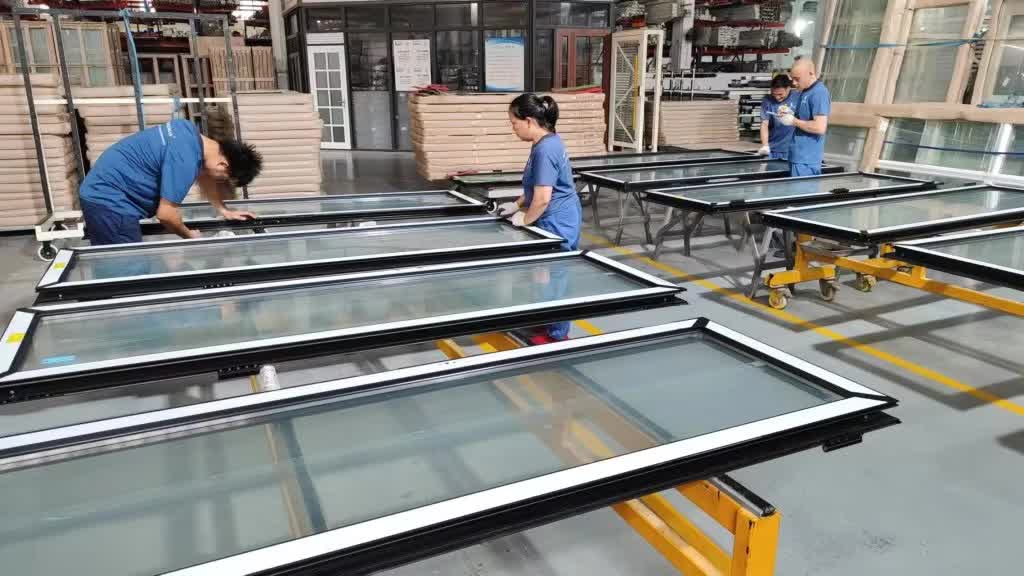
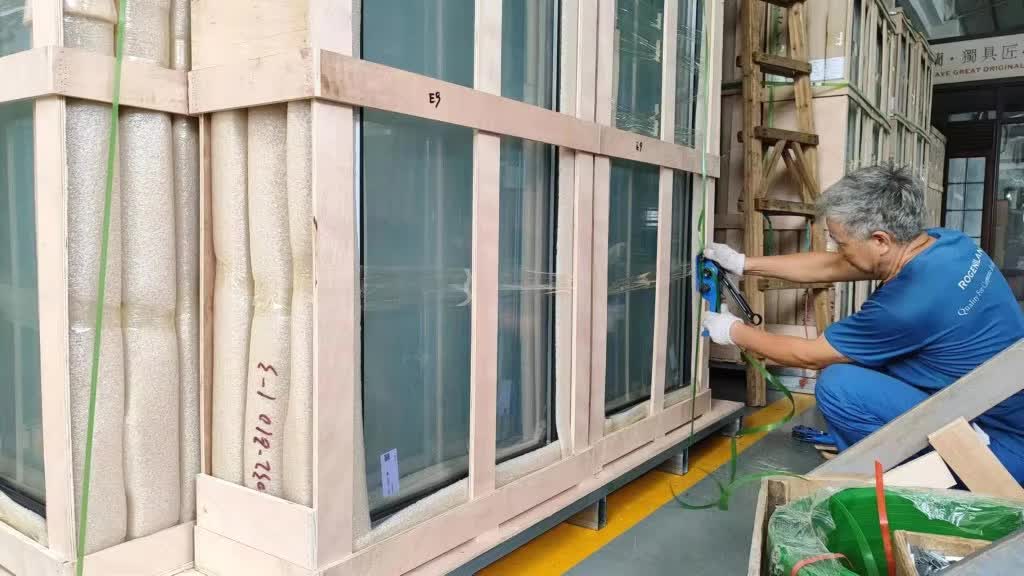
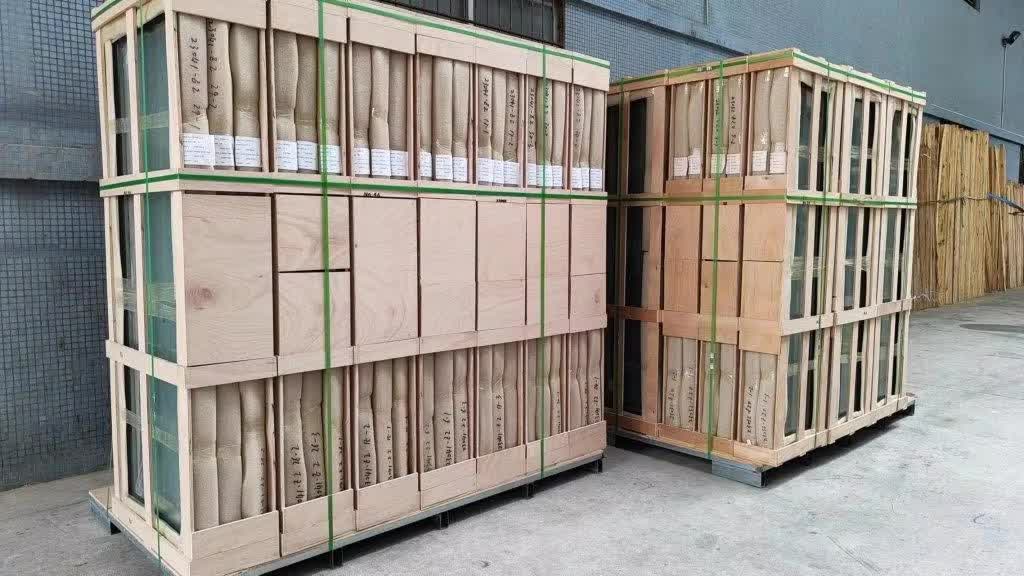
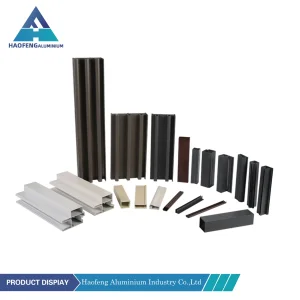
China's structural glass factories lead the world in advanced vertical integration. From raw silica processing and float-glass lines to CNC glass-edging machines, automated tempering autoclaves, and aluminum extrusion mills, the end-to-end control minimizes lead times and optimizes product pricing.
Factories leverage mechanical structural load testing, simulated storm chamber pressure trials, and heat soak testing (HST) to mitigate spontaneous tempered glass breakage caused by nickel sulfide inclusions, meeting global regulatory requirements.
Exporting products globally requires strict adherence to regional certifications. Our products conform to EN 12150 (Europe), ANSI Z97.1 / ASTM C1048 (North America), SGCC (USA), and AS/NZS 2208 (Australia/New Zealand) standards for impact and tempering safety.
Architectural glass systems must be custom-engineered to withstand the geographical and climatological challenges of their installation sites. An off-the-shelf product cannot safely accommodate both a high-altitude alpine resort and a coastal tropical zone. This makes the collaborative ODM process critical during the engineering design phase.
In regions such as Florida (USA), parts of Australia, and South-East Asia, typhoons and hurricanes present significant mechanical challenges. Glass systems in these environments must withstand cyclic wind pressures and high-velocity impact from windborne debris. By using thick, laminated glass sheets bonded with high-performance structural adhesives and rigid structural interlayers (such as SentryGlas®), Magella produces window systems certified to meet standard test requirements. Our hurricane-impact designs feature reinforced, deep-pocket aluminum framing that ensures the glass pane remains locked in place during high wind events.
In Northern Europe, Canada, and the Northern United States, building codes prioritize heat retention and low solar gains. Magella engineers thermal break windows and doors featuring multi-cavity polyamide insulating strips (PA66GF25). These systems act as a barrier to heat transfer, isolating the cold outer metal profile from the warm inner profile. When combined with triple-pane insulated glass units (IGUs) containing low-E (low-emissivity) coatings and filled with Argon gas, we achieve a system U-factor below 0.8 W/m²K, which helps minimize HVAC energy usage.
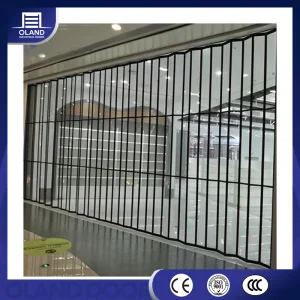
Urban commercial applications demand high acoustic insulation to suppress structural and airborne city noise. By integrating asymmetric double-glazed glass units (where outer and inner glass panes differ in thickness) and acoustic PVB interlayers, we effectively break down sound wave propagation. Furthermore, for commercial store fronts, mall entrances, and luxury showroom facades, we provide customized structural glass assemblies that feature minimalist frames, high structural capacity, and modern panic-bar locking mechanisms.
Since its founding, Magella has been committed to research and development, innovating aluminum windows, doors as well as related solutions, and services. We always adhere to the enterprise philosophy of "Hard working and Integrity, Innovation and Success". Furthermore, after years of dedicated efforts, now we’ve established our own completed sales system, spanning from research and development to production, quality control, and global marketing.
Magella keeps innovating by combining standard Chinese manufacturing design practices with advanced German engineering systems. We cooperate closely with global TOP BRANDS, such as: German HOPPE, SIEGENIA AUBI, ROTO, KINLONG, BOGO, and OAOSM, to integrate the highest quality hardware and accessories. This guarantees that every window and door system we manufacture delivers smooth operation, high security, and long-term durability.
Our comprehensive catalog is divided into 3 major categories: Aluminum Windows, Aluminum Doors, and Sunrooms (Patios). These are further subdivided into over 12 specialized product categories:
By configuring our windows and doors with double or triple-glazing options, they can be customized to include internal blinds/shutters or smart glass (PDLC switchable glass) inside the insulated glass unit, offering excellent privacy protection with minimal maintenance.
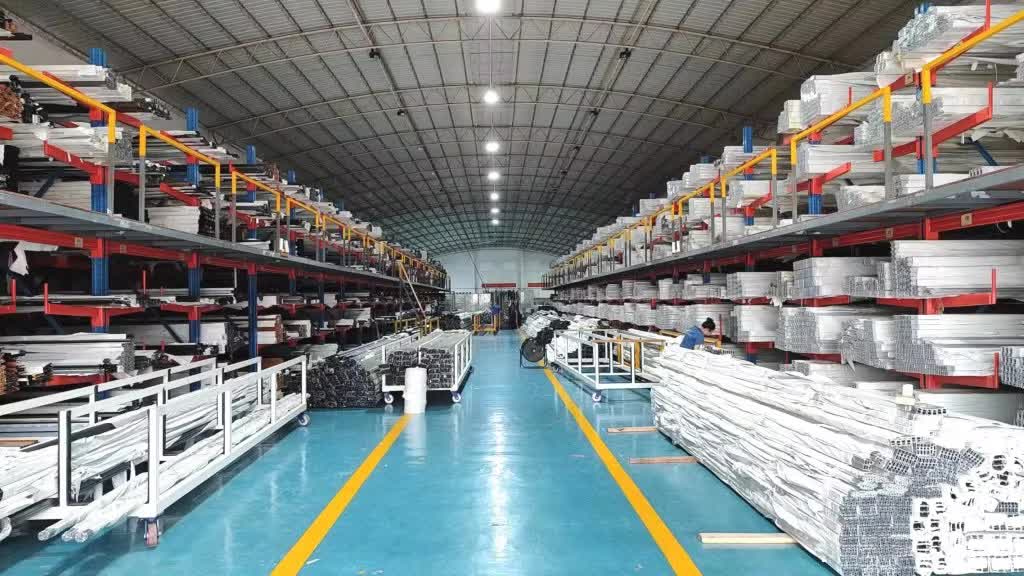
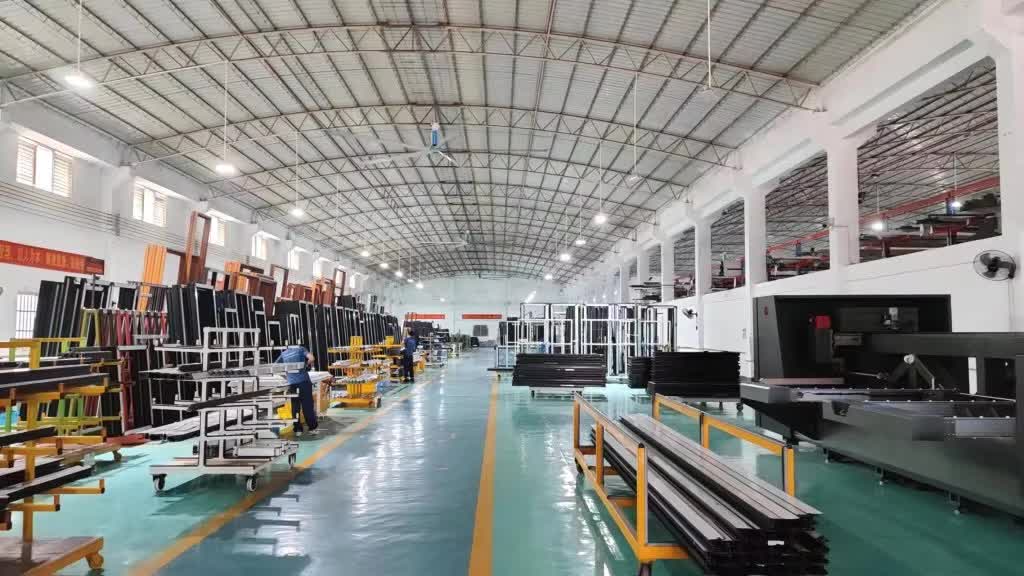
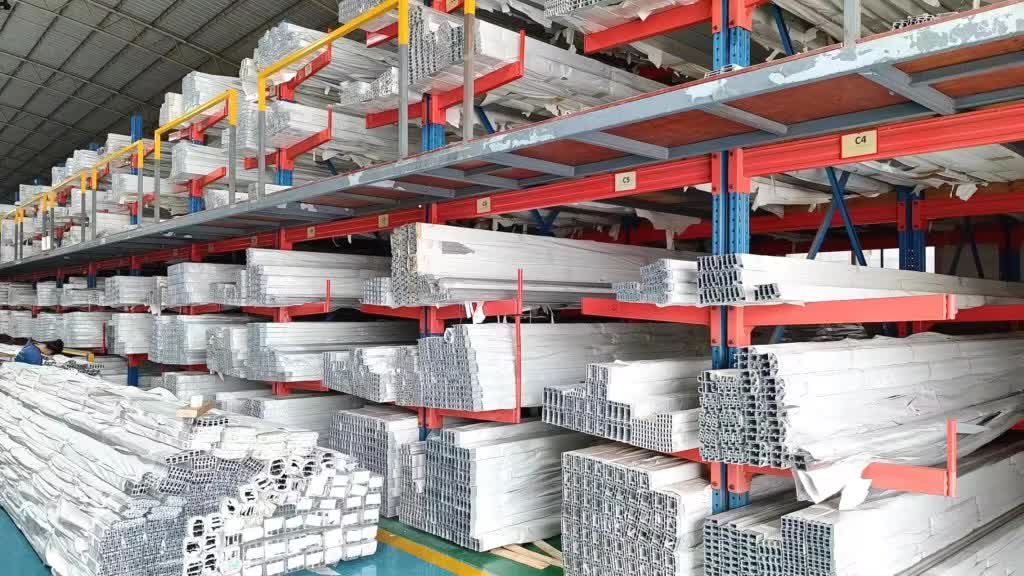
To stay competitive in the high-performance building sector, OEM/ODM manufacturers must continuously integrate modern technologies. Current product developments concentrate on three major technological innovations:
PDLC (Polymer Dispersed Liquid Crystal) film, integrated between laminated glass sheets, switches from opaque to clear when electrical current is applied. When integrated into thermal break glass doors or partitions, it provides privacy on demand, eliminating the need for traditional drapes and matching minimalist architectural styles.
Low-E coatings contain micro-thin silver layers that reflect infrared radiation while transmitting visible light. Standard single-silver coatings are increasingly being replaced by double and triple-silver options, which offer lower solar heat gain and maintain high transparency. This technology is vital for building designs with expansive glass facades facing high solar exposure.
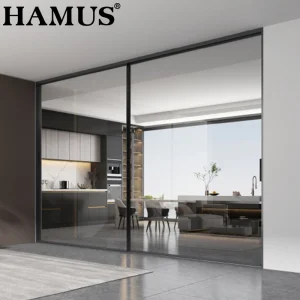
Modern architectural layouts prioritize hidden structural profiles. Using structural adhesive bonding techniques, structural engineers can construct frameless sliding doors where the aluminum frame is completely recessed into the ceiling, wall, and floor. This design leaves only the interlocking profile (often as thin as 20mm) visible, providing unobstructed panoramic views.
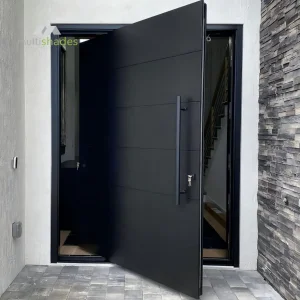
 Magella Door