 Magella Door
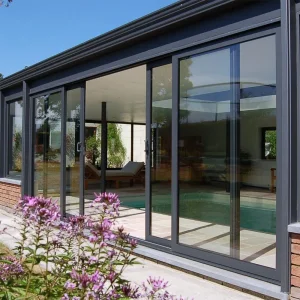
Engineered to withstand extreme tropical ultraviolet exposure, high relative humidity, and coastal salt spray while maximizing thermal efficiency in Papua New Guinea buildings.
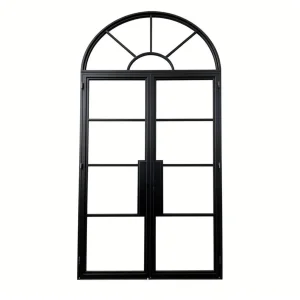
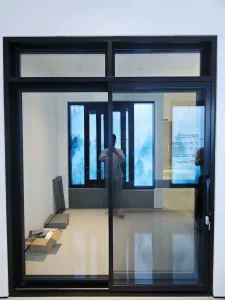
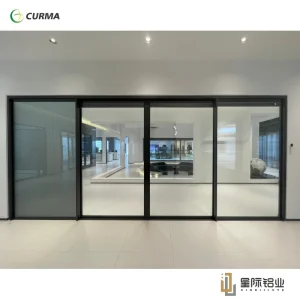
A rigorous examination of thermodynamic insulation, low-E glazing integration, structural profile engineering, and carbon-reduction mandates driving modern architectural door manufacturing.
Standard architectural aluminum profiles possess high thermal conductivity (approx. 160–200 W/m·K). In tropical or coastal zones like Port Moresby, uninsulated aluminum framing acts as a direct heat bridge, transmitting solar radiation into interior spaces. Structural Thermal Break technology embeds low-conductivity structural polyamides—specifically PA66GF25 (Polyamide 66 reinforced with 25% glass fiber)—to sever the aluminum extrusion into inner and outer thermal chambers.
By lowering profile conductivity down to < 0.3 W/m·K across the thermal barrier, structural door assemblies achieve whole-system heat transfer coefficients (U-values) under 1.6–1.8 W/m²K, drastically reducing indoor heat gain and mechanical HVAC cooling loads.
In high-ultraviolet equatorial corridors, thermal isolation extends beyond structural frame profiles to low-emissivity (Low-E) double and triple-pane glass units filled with inert Argon gas (90%+ purity). Advanced Magnetron Sputtered Low-E coatings selectively reflect near-infrared radiation (solar heat) while admitting visible spectrum light.
For large-span bi-folding and sliding doors manufactured for Port Moresby commercial and luxury residential developments, tuning the SHGC below 0.25 prevents indoor greenhouse effects while maintaining optical clarity, suppressing indoor ambient temperature spikes by up to 8°C compared to conventional single-pane glazed doors.
Leading global architectural aluminum door fabrication requires strict adherence to international standard testing regimes, ensuring structural resilience against wind loads, water penetration, and thermal fatigue:
Addressing the specific climatic challenges, urban expansion patterns, and logistics corridors of Papua New Guinea's capital city.
Port Moresby experiences a distinct tropical savanna climate characterized by consistently high ambient temperatures year-round, humidity levels averaging between 75% to 90%, intense equatorial UV irradiation, and severe seasonal marine wind bursts coming across the Coral Sea. Commercial hubs in Waigani, oceanfront high-rises along Ela Beach, high-end residential estates on Touaguba Hill, and industrial projects near Motukea Island require building envelope solutions specifically configured for extreme durability.
Standard imported non-thermal break door frames frequently fail in PNG due to structural profile expansion, severe hardware oxidation from airborne sodium chloride (marine salt fog), gasket degradation from persistent solar radiation, and immense thermal conduction that inflates building power bills.
Properties constructed along waterfront zones face relentless atmospheric salinity. Magella’s manufacturing lines deploy Qualicoat Class 2 Fluorocarbon PVDF coatings and anodized treatments up to 25 microns thick. All structural hardware—including multi-point locking gear, heavy-duty tandem rollers, and friction hinges—is fabricated from 316-grade stainless steel to eliminate rust formation and mechanical seizure.
Institutional and diplomatic commercial developments in Waigani demand elevated security, acoustic dampening, and automated access integration. Magella’s heavy-duty Hmk-140 Lift & Slide systems feature multi-stage locking systems, burglar-resistant RC2/RC3 physical security profiles, and heavy-gauge laminated acoustic glass to keep urban ambient noise out while maintaining interior environmental comfort.
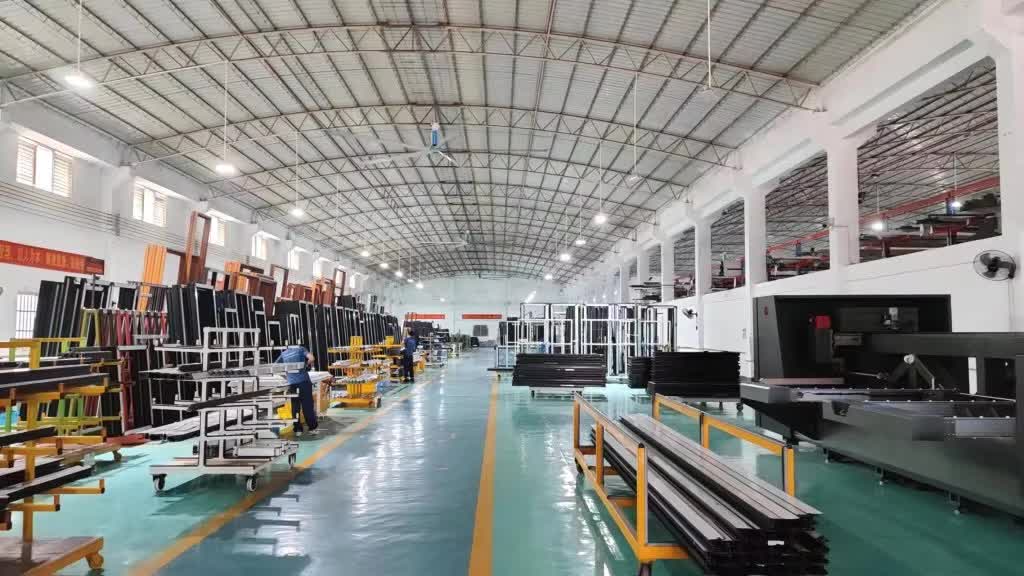
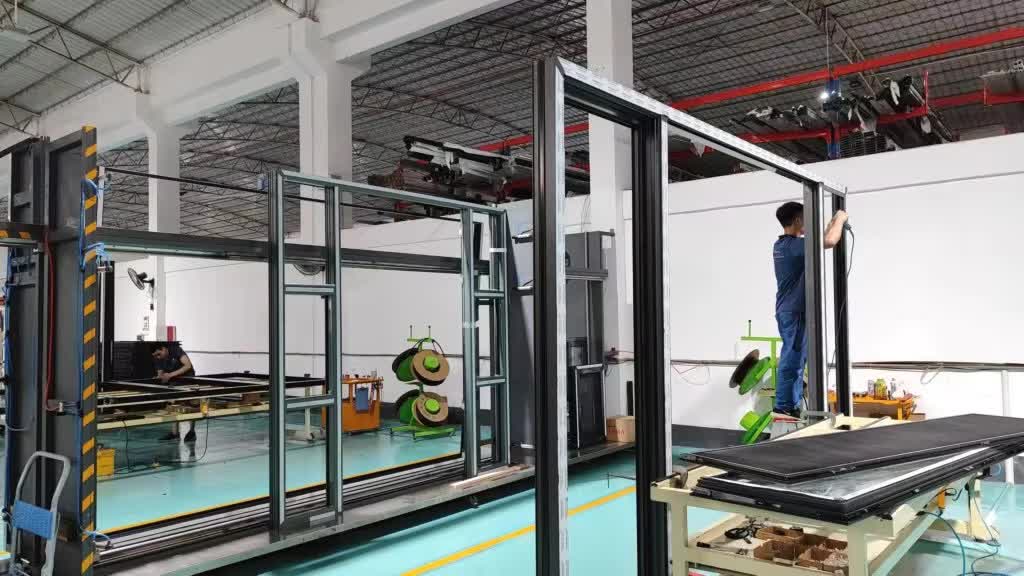
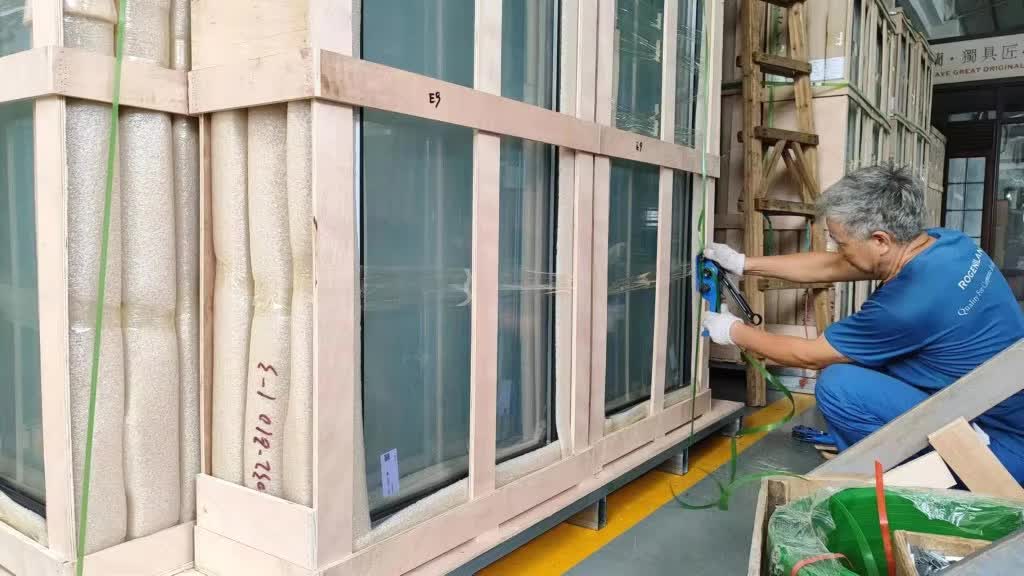
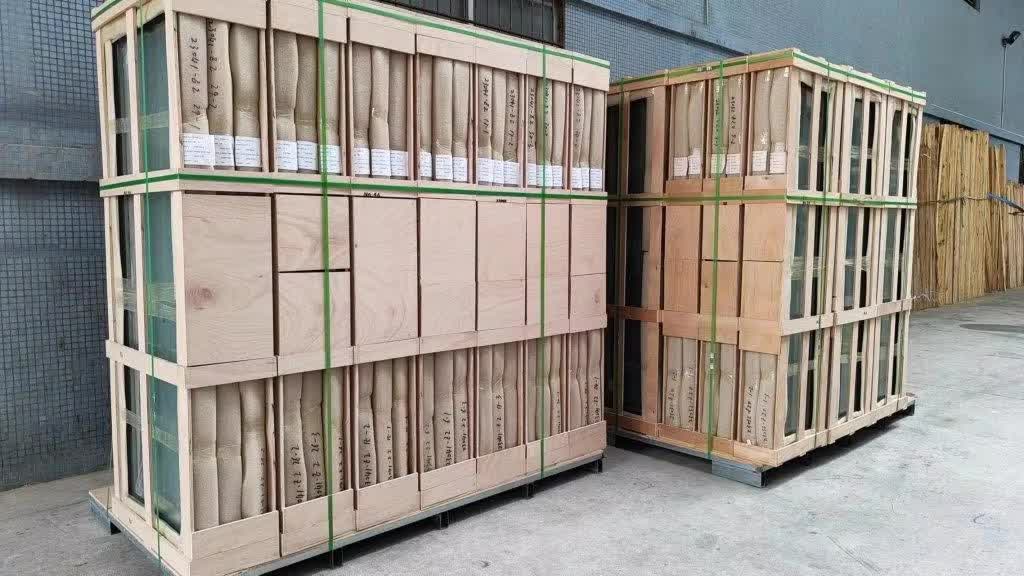
Logistical reliability is essential for PNG project schedules. Factory production in Foshan utilizes reinforced export packaging—including waterproof vacuum wrapping, solid timber crate framing, and corner buffer guards. Containerized sea freight routes operate seamlessly into Port Moresby’s Motukea Port Terminal, backed by complete bill of lading transparency, structural testing certificates, and installation shop drawings.
An objective performance comparison evaluated across critical architectural parameters for the Papua New Guinea construction sector.
| Performance Metrics | Magella Thermal Break Aluminum | Standard Non-Thermal Aluminum | Unreinforced uPVC Doors | Traditional Timber Doors |
|---|---|---|---|---|
| Thermal Conductivity (U-Value) | 1.4 – 1.8 W/m²K | 3.5 – 5.8 W/m²K | 1.8 – 2.4 W/m²K | 2.2 – 3.0 W/m²K |
| Coastal Salt Spray Resistance (C5-M) | Superior (PVDF / 316 Stainless) | Moderate (Prone to pitting) | Good (Hardware rust risk) | Poor (Warping & rot) |
| Structural Wind Load Capacity | Extreme (> 4500 Pa) | High (2500–3000 Pa) | Low (< 1500 Pa) | Moderate (Flexes under load) |
| Ultraviolet (UV) Stability | Infinite (Zero UV degradation) | Infinite (Zero degradation) | Poor (Chalking & yellowing) | Poor (Requires re-staining) |
| Sightline Minimalism & Glass Ratio | Ultra-slim (Up to 92% Glass Area) | Standard | Bulky / Thick profiles | Thick structural frames |
| Service Life Expectancy | 35+ Years Minimal Maintenance | 15–20 Years | 10–15 Years | 8–12 Years in Tropics |
Combining German architectural systems with advanced Chinese automated fabrication lines to deliver certified door systems worldwide.
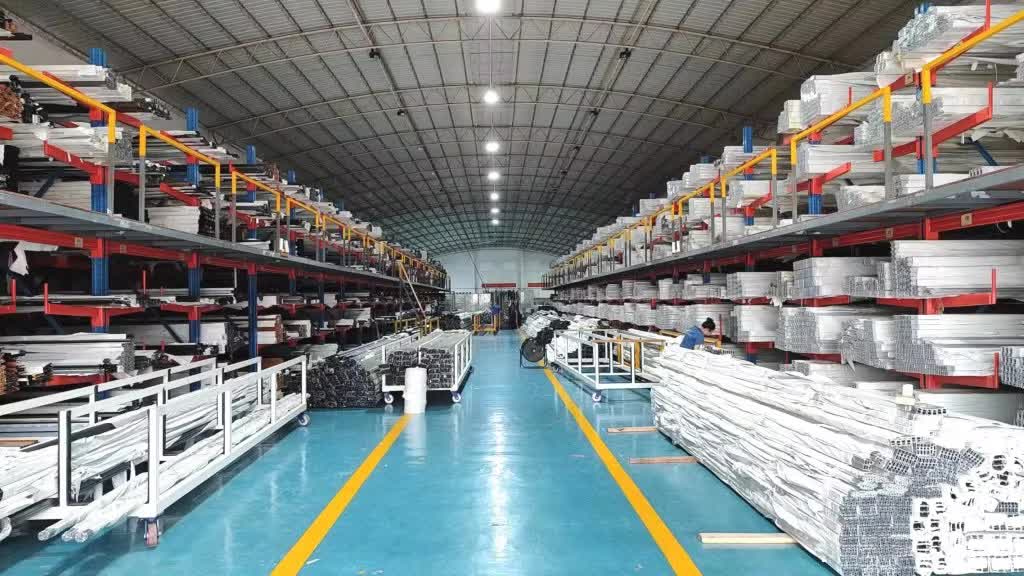
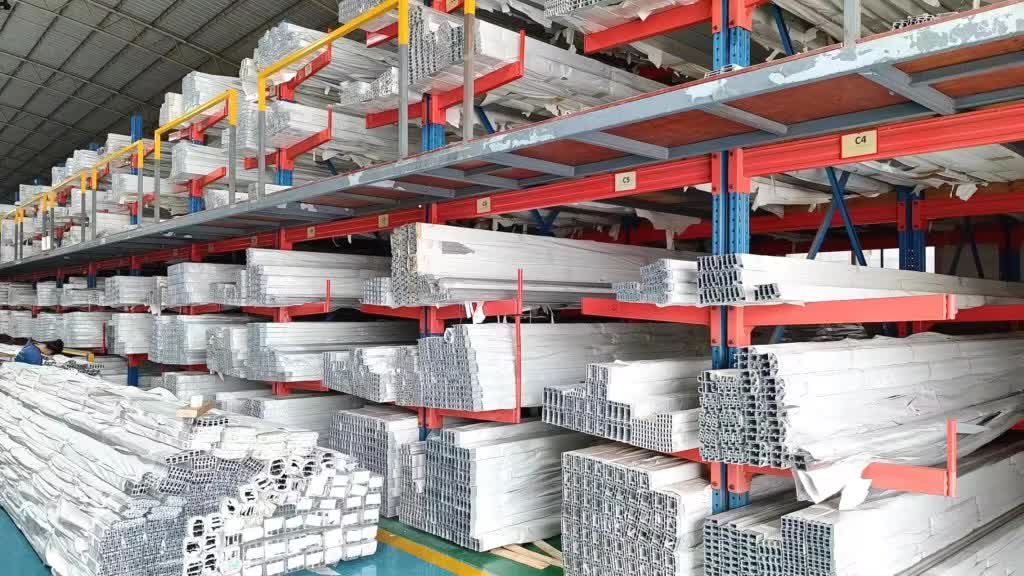
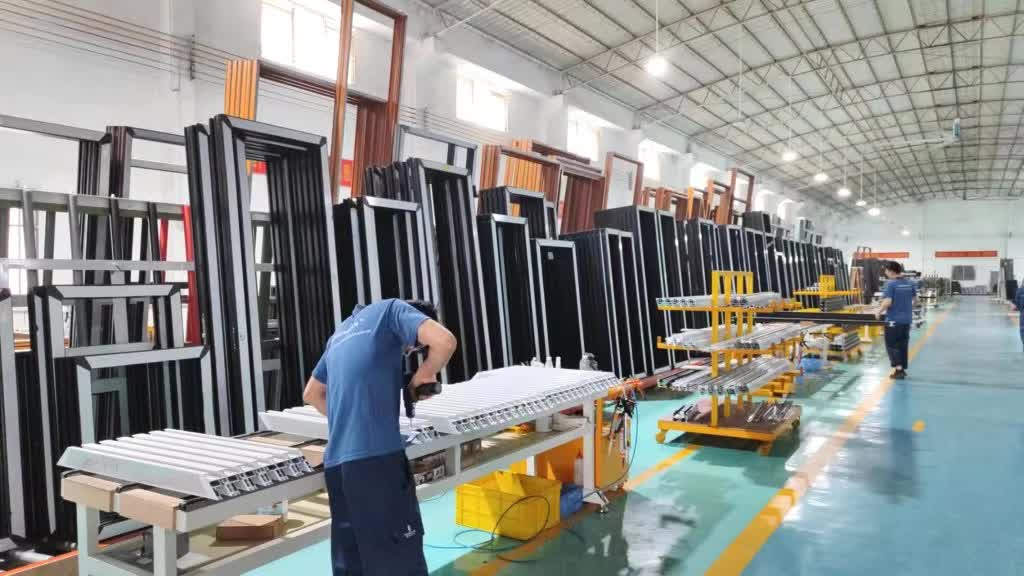
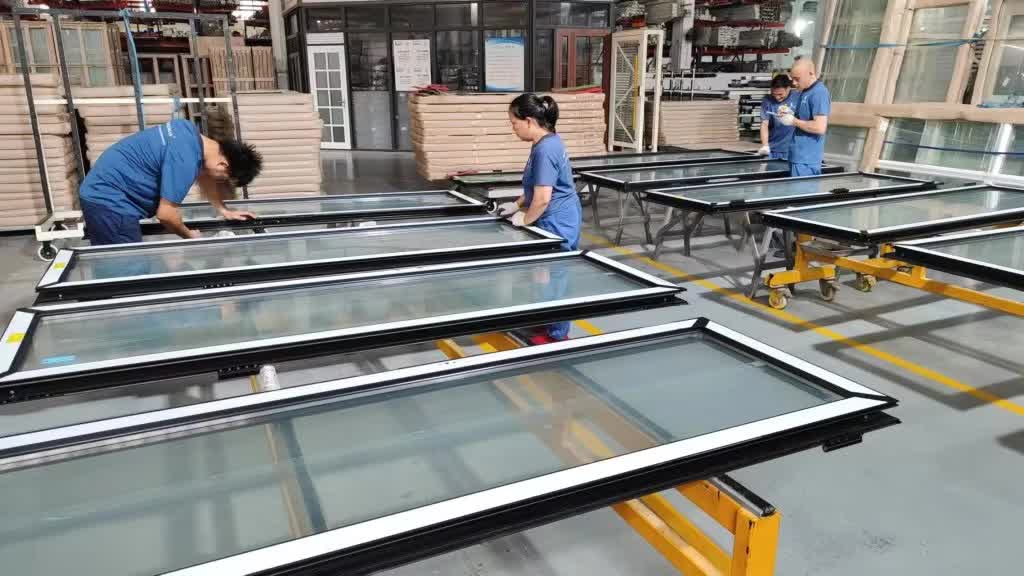
Since its founding, Magella has been committed to research and development, innovating aluminum windows, doors as well as related architectural solutions and services. We always adhere to the enterprise philosophy of “Hard working and Integrity, Innovation and Success”. Furthermore, after years of continuous engineering efforts, we have established our own complete operating ecosystem spanning Research, Development, Precision Extrusion, Surface Finishing, Testing, and Global Marketing.
Magella keeps innovating by combining Chinese robust structural designs with advanced German window and door hardware engineering. We work closely with world-renowned hardware and architectural components partners including: German HOPPE, SIEGENIA AUBI, ROTO, KINLONG, BOGO, and OAOSM to ensure seamless mechanical operational life exceeding 100,000 continuous cycles.
Our comprehensive portfolio encompasses 3 major core structural categories: Aluminum Windows, Doors, and Sunrooms (Patio Enclosures). These are specialized into over 12 sub-categories: Thermal Break Windows, Bi-Folding Doors, Narrow-Frame Minimalist Sliding Doors, Hanging Sliding Doors, Heavy-Duty Lift & Slide Doors, Casement Doors, and Smart Privacy Shutter Glass Doors designed specifically for custom villas, commercial towers, and hotel developments.
Pioneering future-ready technologies designed for high-performance buildings, microgrid energy efficiency, and smart building integration.
Integrating PDLC (Polymer Dispersed Liquid Crystal) dynamic glass directly within thermal break double-glazed units allows instant transition from transparent to opaque states via wall switch, smartphone app, or building automation controllers, eliminating internal dust-collecting blinds in high-humidity tropical coastal zones.
Heavy-weight sash doors weighing up to 500 kg can now be operated effortlessly using hidden brushless DC motor drives. Integrated rain, wind, and obstacle detection sensors automatically close wall-span glass arrays when tropical storms approach Port Moresby coastal districts.
To assist developers in securing international green building certifications (such as LEED and EDGE), Magella is transitioning profile extrusions to hydro-powered primary aluminum billets with total embodied carbon footprints below 4.0 kg CO2e/kg Al, significantly lowering the carbon footprint of modern buildings.
Explore our wide range of heavy-duty, sound-insulated, ultra-slim, and custom folding and sliding aluminum door series for coastal Papua New Guinea.
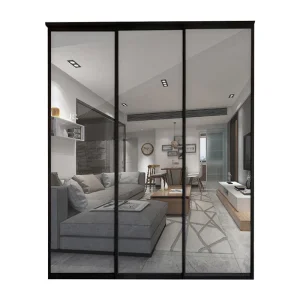
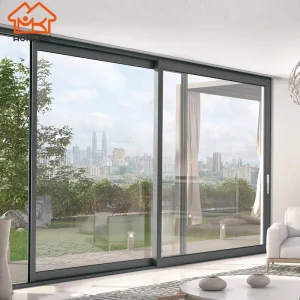
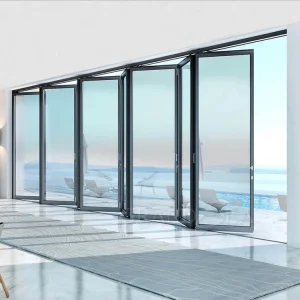
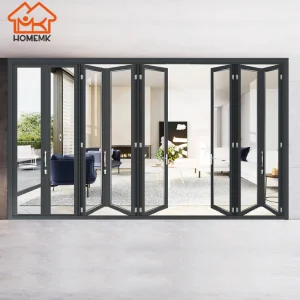
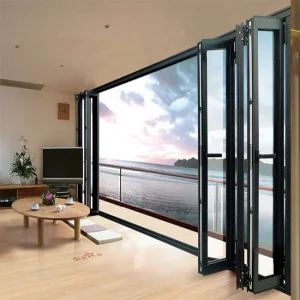
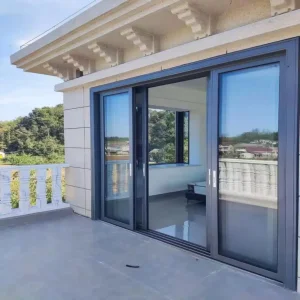

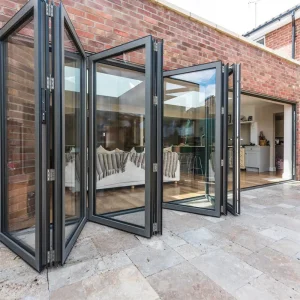
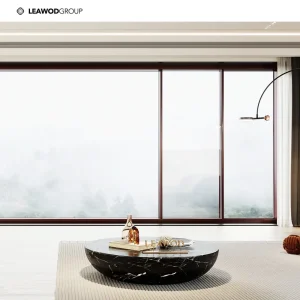
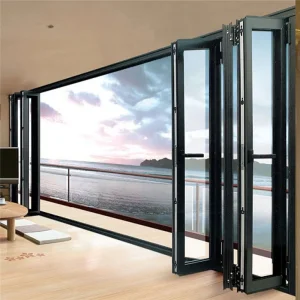
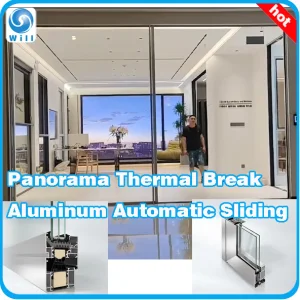
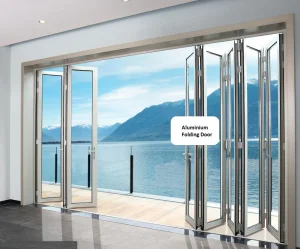
Clear technical guidance on structural specifications, coastal corrosion treatments, shipping schedules, and installation standards in Papua New Guinea.
Partner directly with Foshan's premier thermal break aluminum door manufacturer. Contact our engineering team today for custom shop drawings, technical specifications, and factory-direct pricing for your Papua New Guinea developments.
Send Inquiry Now